Making Soap and Natural Detergents from Local Waste

Learn how to make soap and detergents from free local materials. A very low-investment project with a monthly income of $150-$500 from simple soap.
Making Soap and Detergents: Income from Waste Oil
The 10th article of 12 in the Micro Businesses Series | Survival Economics
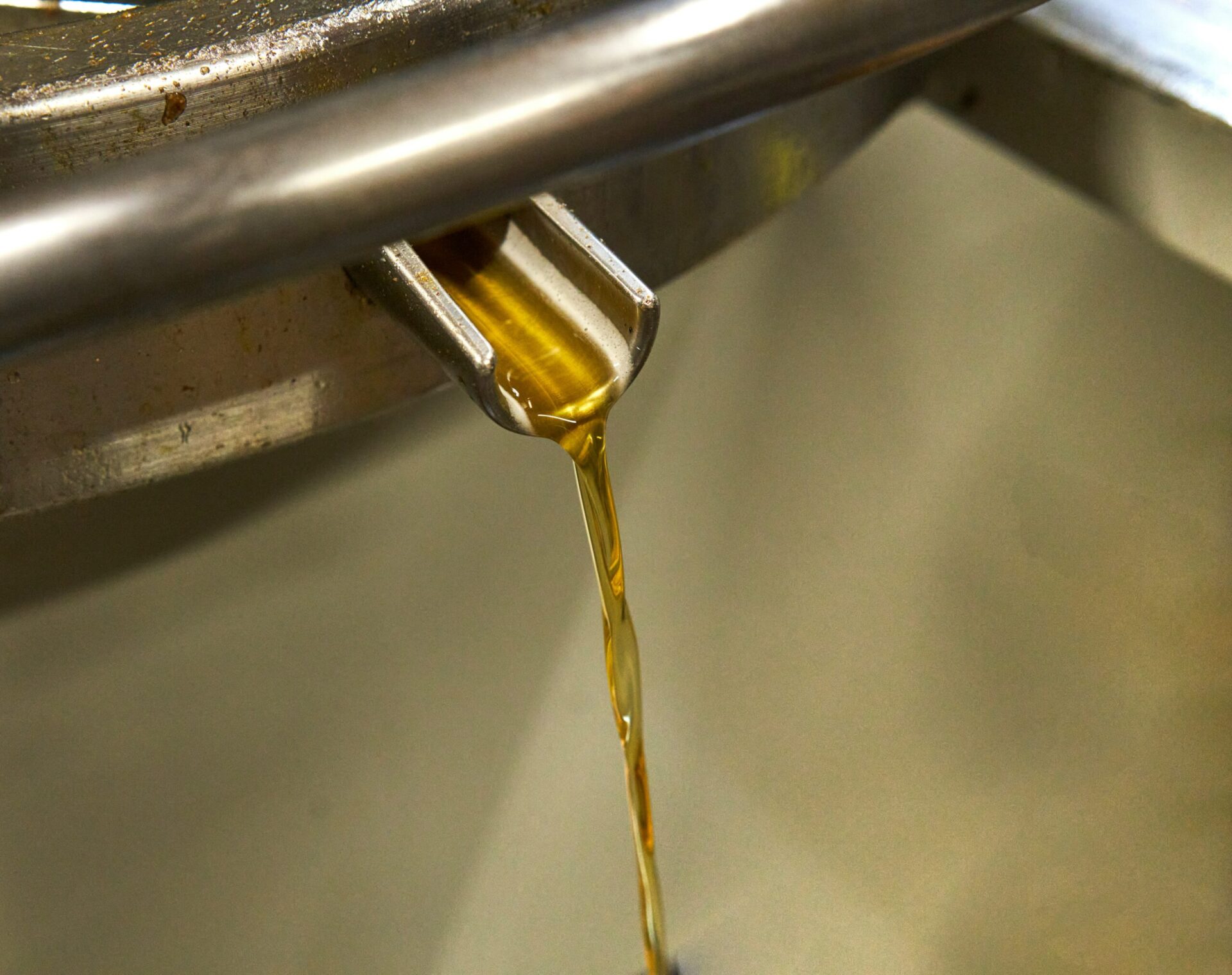
We are looking for projects that turn household waste into useful and saleable products. Since we have often talked about oil extraction, there is a directly related industry: making soap and natural detergents. Most importantly, we do not need expensive, pure oils. Instead, we can make excellent soap from used kitchen oil waste, or from the stagnant oil residue at the bottom of containers. Natural soap is a constant requirement, and demand in the local market is very high.
Why is Making Soap from Waste a Very Profitable Project?
The economic power lies in the simplicity of the idea: turning household waste and commercial scrap into a high-value basic product without purchasing expensive raw materials. Used cooking oils and melted animal fats (livestock and poultry grease) are usually thrown into the trash or drains, causing environmental damage. However, when they react with an alkaline substance, they chemically transform into high-quality soap that can be sold for $1 to $3 per bar.
Saponification is a precise chemical reaction; fats (triglycerides) are broken down by sodium or potassium hydroxide to produce fatty acid salts (soap) and moisturizing glycerin. The quality and safety of the product depend on the accurate calculation of the mixing ratios between the oil and the alkali, followed by the curing and drying stage to ensure a balanced pH.
Step One: Understanding Saponification
You do not need a deep understanding of chemistry, but grasping the basic idea protects you from mistakes:
- Fat (Oil) + Alkali (Lye) + Water + Heat = Soap + Glycerin
When you mix oil with caustic soda under water and heat, a process called “saponification” occurs. The soda breaks down the oil molecules and rearranges them, producing a new substance: soap. Everything is very simple.
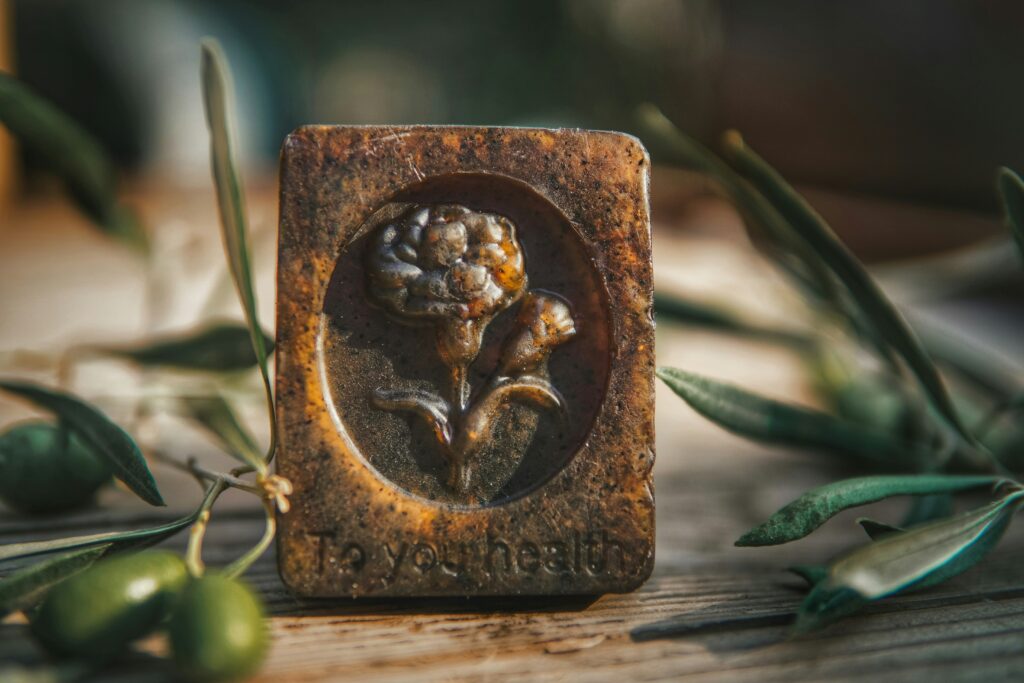
Required Resources (Starting with the Lowest Possible Investment)
- Used Oils and Fats: Used cooking oil, or livestock fats after melting and filtering them. These are completely free materials that can be collected from homes or restaurants.
- Alkaline Substance (The Key to Saponification): There are two options depending on the type of soap required:
- Caustic soda (Sodium Hydroxide $NaOH$): Chemically available in detergent shops at a low price ($1 to $3 per kilo), and it is essential for producing hard soap bars.
- Wood ash (Potassium Hydroxide $KOH$): A free option by soaking hardwood ash in rainwater to extract the clear alkaline liquid, and it is used to produce liquid or soft soap.
- Water: Distilled water or soft water (free of calcium salts) to ensure it does not ruin the lather.
- Safe Mixing Tools and Containers: Thick plastic, heat-resistant glass, or stainless steel containers. (The use of aluminum is strictly prohibited), along with solid plastic or wooden spoons.
- Molds: Cardboard boxes lined with parchment paper, or recycled plastic containers.
- Safety Gear (Mandatory): Rubber gloves, safety goggles, and a mask to avoid burning alkali fumes during mixing.
Initial Investment Summary: Very close to zero when relying on used oils and household molds, with a cost of only a few cents to buy commercial caustic soda to ensure the production of hard, instantly marketable soap bars.
| Type of Used Oil / Fat | Sodium Hydroxide (NaOH) Sap Value (for hard soap) | Potassium Hydroxide (KOH) Sap Value (for liquid soap) | Oil Characteristics in Final Soap |
|---|---|---|---|
| Used Olive Oil (Damaged) | 0.134 | 0.190 | Very gentle on the skin, soft and low lather, very hard soap after curing. |
| Sunflower Oil (Used Frying Oil) | 0.135 | 0.189 | Excellent moisturizer, light lather, makes soap soft, best mixed with other fats. |
| Corn Oil (Used Frying Oil) | 0.136 | 0.192 | Provides good moisturizing and rich lather, but yields a soft soap that dissolves quickly in water. |
| Cottonseed Oil (Commercial Oil Residue) | 0.135 | 0.194 | Produces thick and stable lather, medium hardness bar. |
| Livestock Tallow (Beef and Mutton) | 0.141 | 0.198 | Ideal for survival economics; produces a very hard, white bar with a long-lasting creamy lather. |
| Poultry Fat (Chicken and Duck) | 0.138 | 0.194 | Produces a somewhat soft soap, highly moisturizing, best combined with livestock tallow. |
| Coconut Oil (Damaged Residue) | 0.183 | 0.257 | Very high cleaning power and huge bubbly lather, makes the soap extremely hard. |
| Palm Oil (Main Component of Commercial Frying Oils) | 0.142 | 0.199 | Gives excellent hardness to the soap bar and maintains its lifespan and structure during use. |
💡 Important Calculation Rule for Survival Economics:
To find the exact weight of the alkaline substance required to saponify your waste oils without excess or shortage, use the following formula:
Alkali Weight (grams) = Clean Oil Weight (grams) × Saponification Value
Practical Example: If you have 1,000 grams of used olive oil and want hard soap, you will need exactly: 1,000 × 0.134 = 134 grams of caustic soda (NaOH).
🧮 Instant Saponification Calculator for Household Waste
Method One: Soap from Waste Oil (The Hot Process)
The hot process is highly effective for converting used frying oils into safe soap, as the heating accelerates the reaction and eliminates unwanted odors.
Ingredients and Exact Measurements:
- 1 Liter: Used frying oil (thoroughly filtered through a piece of cloth).
- 123 Grams: High-purity caustic soda (Sodium Hydroxide NaOH).
- 300 ml: Pure water (distilled or boiled and cooled rainwater).
- Tools: Stainless steel pot, plastic or wooden spoon, protective gloves and goggles, and pouring molds.
- Optional aromatic scent (not mandatory) – such as laurel, lemon, or rosemary.
Practical Steps:
Step 1: Preparing the Lye Solution:
Put on protective gear, then carefully add the caustic soda to the water (never the other way around) in a thick plastic container. Let the solution cool down until its temperature reaches around 45°C.
Step 2: Heating the Oil:
Place the oil in the stainless steel pot and heat it until it reaches 45-50°C, matching the temperature of the lye solution.
Step 3: The Saponification Process:
Slowly pour the lye solution over the oil while stirring continuously and vigorously in one direction until the mixture thickens and reaches the “trace” stage (a consistency resembling thick mayonnaise).
Step 4: Cooking:
Place the pot over very low heat (or a water bath) for 45-60 minutes, stirring occasionally. The mixture will gradually transform into a translucent gel mass resembling Vaseline, which is the sign of a complete chemical reaction.
Step 5: Molding and Cooling:
Remove the pot from the heat and pour the soap into the molds immediately before it cools and hardens. Leave it for 24 to 48 hours to cool completely, then cut it. The soap produced this way is chemically mature and ready for use as soon as it hardens, though leaving it for additional days increases its hardness and quality.

Method Two: Reclaimed Animal Fats Soap (The Traditional Process)
If you have access to livestock or poultry fats (from butcher scrap or household cooking), this material gives you an exceptionally high-quality, long-lasting hard soap bar:
The Critical Step (Purification): Never use raw fat directly. It must first be boiled with an equal amount of water and a tablespoon of salt, then left to cool completely. The clean, pure fat will solidify at the top, while impurities and blood will settle in the water below. Remove the white fatty layer and melt it down, and it will be ready for saponification.
Fat Purity: Raw fat obtained from butchers or cooking is not cleaner than frying oil; on the contrary, it is filled with proteins, blood, connective tissues, and salt. If it does not go through the “rendering and boiling with water to settle impurities” process, the soap will spoil and emit an extremely foul carcass odor after a few days.
Reaction Note: Animal fats saponify and solidify much faster than liquid vegetable oils, thus requiring swift stirring and immediate pouring into molds before drying up inside the pot.
Method Three: Simple Natural Liquid Detergents
Dish soap and household cleaners: To produce a stable liquid cleaner without running into the issue of soap clumping, recycled scraps and shreds of hard soap bars are boiled with water at a ratio of (1 gram of soap to 10 ml of water) without adding salt. To boost cleaning efficiency for dishwashing and floors, add a tablespoon of Sodium Bicarbonate (baking soda) to the liquid, which gives it viscosity and superior grease-cutting power.
💡 Survival Warning:
In all three methods, the golden rule remains constant: liquid vegetable oils (sunflower, corn) produce soft and fast-dissolving soap, while solid animal fats and palm oil produce extremely hard soap. Therefore, blending waste oils and fats at a 50:50 ratio in the hot process gives you the perfectly balanced bar for lather and hardness for free and at the highest quality [1].
Marketing and Sales
Natural soap and detergents have a steady, continuous demand in the local market:
- Families and Households: They prefer natural soap for sensitive skin and children instead of cheap, chemical industrial soap.
- Small Shops and Groceries: They buy soap in bulk to sell to customers.
- Laundromats and Restaurants: They use natural detergents if they are affordable and effective.
- Weekly Markets: You can sell your soap directly to people.
- Neighbors and Acquaintances: First steps usually start through word of mouth and recommendations.
Suggested and Competitive Price: A hand-sized piece of soap = $0.5 to $0.75. A liter of liquid detergent = $1 to $1.5.
Feasibility and Profit Calculations
So that these steps do not remain mere chemical equations on paper, let us translate them into the language of numbers and the market. The advantage of survival economics lies not only in achieving self-sufficiency, but also in its capability to generate cash flow out of almost “zero investment.”
Based on real experiences in resource-scarce environments, the financial feasibility of a “standard production batch” has been measured around recycling just 1 liter of used frying oil (or its equivalent in reclaimed fats). The following table demonstrates how this neglected household waste—with a few grams of caustic soda and soap scraps—turns into an integrated home project generating a sustainable monthly profit:
| Final Product Type | Direct Materials Cost (per batch) | Actual Batch Production Volume | Suggested Consumer Retail Price | Net Profit per Batch | Expected Monthly Profit (3 batches/week) |
|---|---|---|---|---|---|
| 🧼 Hard Bar Soap (Hand Size) | $0.25 (123g soda only, oil is free) |
11 bars (100 grams per bar) |
$0.75 per bar | $8.00 | $96.00 |
| Box Contents Cleaner / Dish Soap | $0.15 (cost of recycled plastic bottles) |
5 Liters (from recycling soap scraps) |
$1.00 per liter | $4.85 | $58.20 |
| 📊 Total Expected Net Monthly Income from Integrated Home Production: | $154.20 | ||||
🛠️ The Production Journey: Overcoming Manufacturing Hurdles and Practical Solutions
On your path to establishing this project, you will encounter some natural hurdles that you can tackle intelligently; if you notice that the soap does not solidify and remains soft, the cause is usually inaccurate weights or a cool mixture, and the remedy is adjusting your soda metrics (around 123 grams per liter of oil) and giving the molds a longer curing time extending up to four weeks in a dry environment. If rancid, unpleasant odors appear in the soap, the source traces back to using very old oils or failing to filter them properly; the solution lies in clarifying the oil with table salt first, then adding a few drops of essential oils like rosemary or lemon at the end of the cooking phase to lock in the scent. Finally, to protect consumers and gain their trust, if the product causes itching or skin irritation, this is a definitive indicator of excess free soda that has not reacted; you can avoid this in future batches by slightly increasing the oil ratio (chemically known as superfatting) to fully neutralize the alkali. Always remember that soap quality and stability against humidity and molding depend heavily on storage; therefore, make sure to line up the bars in a dark, cool, and well-ventilated space, and wrap them in dry cardboard paper before launching them into the local market to ensure a professional and sustainable appearance.
Online Growth Opportunities (Upon Achieving Profits)
Homemade natural soap has a very high demand online because people look for safe, eco-friendly products. Beautiful photos of soap bars, the story behind making it, the ingredient list (oil, soda, and water only), and customer testimonials—all of this turns your simple product into a desired brand.
Making soap at home from old oils
Transitioning to Reality
Making soap from waste within the framework of survival economics is not just a hobby; it is a strategic productive activity that transforms neglected waste into essential commodities of sustainable market value. To successfully implement this idea in reality, focus must be placed on four primary pillars:
- Smart Scaling and Trial Production: Avoid rushing into large-scale production initially; settle for making a single trial batch with a capacity of one liter of oil in your kitchen, where this process will not exceed two hours of direct work. Master one simple product first, and once the batch succeeds, passes safety tests, and is marketed, you can expand and introduce the liquid detergents line.
- Strict Adherence to Safety Standards: Dealing with commercial caustic soda requires extreme caution; always wear protective gloves and goggles, and mix it in a well-ventilated area away from children and pets, keeping in mind the absolute prohibition of using aluminum containers to avoid hazardous reactions.
- Selectivity in Sorting Waste: The quality of your final product is directly linked to the cleanliness of the raw materials; avoid burnt or pitch-black oils, rely on light-colored frying oils after filtering them carefully, and make sure to boil animal fats and purge them of impurities before saponification to guarantee a bright soap bar free of foul odors.
- Respecting Chemical Curing Time: Patience is the key to competitive quality; the bars require 4 to 6 weeks to dry completely and for their pH levels to drop to skin-safe values. Launching the soap in the market before this stage is complete ruins the reputation of your startup project.
Conclusion
Making soap and detergents from local waste is a very simple and profitable project. An investment close to zero, an immediate and steady income, and continuous demand in the market.
Start with one liter of used oil. Learn the process. Sell the first pieces. Expand from there.
This is true survival economics: turning waste into income.
Related Series: Crafts that Resist Automation
— Micro Businesses Series | Survival Economics —
Previous Article: 9 – Oil Extraction from Seeds
Current Article: 10 – Making Soap and Detergents
Next Article: 11 – Drying and Canning Fruits and Vegetables
References and Resources:
- Traditional soap making from waste oils and animal fats
- Saponification chemistry and safety guidelines
- Natural soap quality and market demand
Survival Economy | Micro-businesses
Your Practical Guide to Self-Sufficiency — 12 Articles





Series Survival Economy | Micro-businesses — 12 Articles | Zy Yazan