
The Ring of Gyges Online: Morality Without Consequences
The internet may be the most powerful invisibility ring ever created. The real question is not what we do when no one sees us — but who we become.
Happy Sunday! ☕ Relax, unwind, and enjoy your day with us.
Happy Sunday! ☕ Relax, unwind, and enjoy your day with us.
Philosophy and ethics of artificial intelligence: AI’s impact on humanity, machin consciousness, ethical responsibility, the future of work and relationships. Content exploring the intersection of humanity and technology.

The internet may be the most powerful invisibility ring ever created. The real question is not what we do when no one sees us — but who we become.

If art is an imitation of reality, then AI art is imitation of imitation. What remains of creativity when copies produce copies?

Plato trusted philosopher kings. We trust algorithms. The difference is that algorithms do not know they are governing — and no one can hold them accountable.
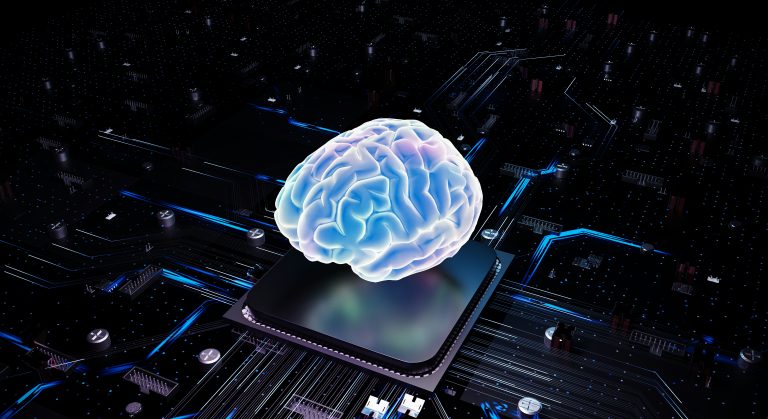
Plato called the body a prison. Today Neuralink promises to free the mind from it. But is escaping biology the same as finding freedom?
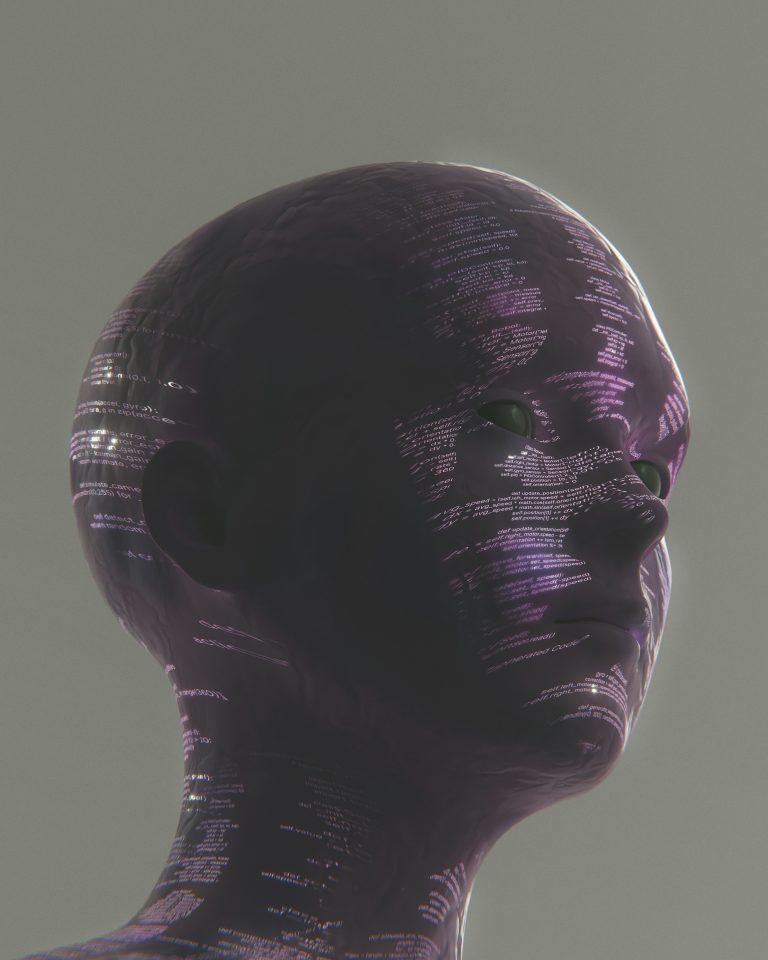
Plato searched for perfect forms. Today we build them in code. But are digital twins closer to truth — or further from it?

The cave is no longer a metaphor. It is infrastructure — built, owned, and monetized by a handful of corporations. Who designs the walls?

What if Plato’s cave never disappeared — only evolved? In the age of VR and social media, we are no longer chained, yet we choose to stay.

AI companions didn’t emerge from nowhere. They emerged from a society that exhausted people economically, fragmented families, and made emotional connection a luxury.

When someone falls in love with a program, sex is not the issue. The issue is older and deeper — the need to be heard without being judged.

Human beings forget — and this is not a flaw in the design, it is the design. But artificial intelligence never forgets. Not because it is powerful, but because forgetting was simply never programmed into it. Every photo, every angry comment, every late-night search is stored somewhere in servers that never sleep and never feel sorry. Is forgetting still a blessing when every moment is recorded forever?