The Art of Professional Organizing: Transform Chaos into System and Better Living

Complete guide to starting a professional organizing service. Learn Marie Kondo principles, pricing models, and expected income. Low investment, high returns.
Word Count: ~2,500 • Estimated Reading Time: 16 minutes
Professional Organizing | How to Start an Organizing Business
Article 1 of the series “Crafts That Resist Automation”
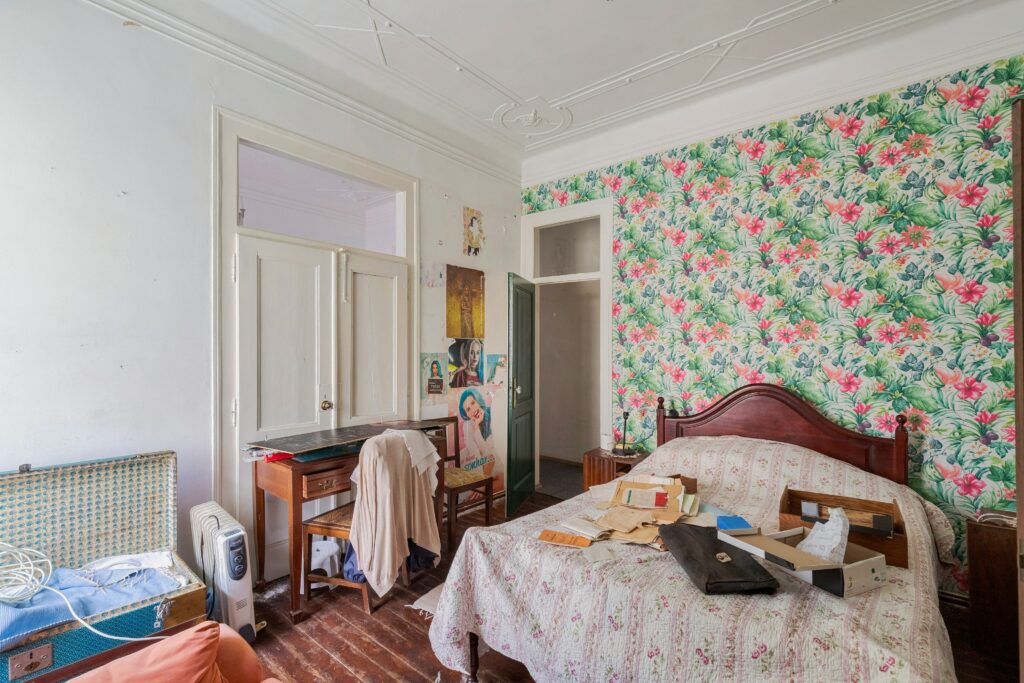
Picture this scenario: you walk into your client’s home and find rooms cluttered with unused items, chaotic drawers, and terrifying closets. Chaos everywhere. The client says: “I know this is bad, but where do I start? I feel overwhelmed.”
This is where professional organizing comes in. You’re not just coming to tidy things. You’re coming to understand their psychology, transform chaos into a system that fits their actual life, and help them emotionally let go of what they don’t need.
Organizing isn’t about arranging items. Organizing is about understanding a person and helping rebuild their life.
Why Professional Organizing Resists Automation
AI might tell you where to place objects in theory. It might offer tips on organizing drawers or arranging closets. But it cannot:
- Be there physically: Moving heavy furniture, emptying closets, working side-by-side with the client.
- Understand psychology: Some people are emotionally attached to things. A robot won’t say: “These clothes don’t suit you anymore; it’s time to let them go.” A human does.
- Create customized systems: Every person is different. A mother of three needs a different system than a single professional. AI doesn’t grasp these human nuances.
- Provide emotional support: People feel better when they make changes with a human who understands and supports them.
Here’s the secret: professional organizing isn’t about objects—it’s about people.
Core Principles of Professional Organizing
Before you start, you need to understand three fundamental principles:
Principle 1: Decluttering, Not Storage
Most people think the wrong way: “How do I organize all this stuff better?”
But the right answer is: “How much do I need to let go of?”
Marie Kondo’s philosophy—the famous Japanese organizer—says: “Keep only the things you love.” Instead of trying to store a thousand items, ask: Do I love this? Do I use it? Does it reflect the best version of myself?
This requires a human to help you make decisions, not an algorithm.
Principle 2: Understanding Client Needs
Every client is different. A woman has 50 unworn handbags. A man has books everywhere. A busy mom can’t find anything in the morning.
You need to ask:
- “How do you spend your time?”
- “What’s your biggest frustration when looking for things?”
- “What makes you feel calm and at peace?”
- “How much time do you want to spend daily on organizing and maintenance?”
The answers determine the system you design.
Principle 3: Sustainable Systems
A system that lasts is one that suits a person’s lifestyle, not a “perfect” system on paper.
If the client is naturally chaotic, don’t impose a “strict” system. Create one that’s easy to maintain, even if it’s less than ideal.
How to Start: Investment and Training
Initial Investment (Very Low)
First benefit: professional organizing requires minimal investment.
| Item | Cost (USD) | Notes |
|---|---|---|
| Organizing boxes and bags | $10–$25 | To show clients |
| Labels and markers | $5–$10 | A simple printer works |
| Hand tools (scissors, knives, etc.) | $15–$30 | If you don’t have at home |
| Good phone camera | $0 (you have one) | For before/after photos |
| Simple website | $0–$20/month | Instagram is enough to start |
| Total | $50–$150 | For a complete startup |
This is the lowest investment of all crafts in this series!
Training and Education
Good news: organizing is not a profession requiring formal certification. You need:
- Reading: Books like “The Life-Changing Magic of Tidying Up” by Marie Kondo (available in many languages).
- Video tutorials: Watch professionals organize real spaces on YouTube.
- Hands-on practice: Start by organizing your own home first, then a friend’s, then take real clients.
Watch this video to understand Marie Kondo’s famous organizing method.
Can You Work Online or Do You Need a Physical Store?
Short answer: You need physical presence.
Professional organizing cannot be done 100% online. You need:
- To visit the client’s home or office
- To understand the actual space and furniture
- To physically move heavy items
- To work side-by-side with the client for hours
But you can use the internet for marketing and finding clients:
- Instagram/TikTok: Before/after photos from your projects (people love this content)
- Simple website or Google My Business: To make it easy for people to find you
- WhatsApp: To communicate with clients and book appointments
You can start by offering your services in your neighborhood, then expand to other areas as demand grows.
Pricing Models and Income
How to Price Your Services
There are multiple ways to price:
1. Hourly Rate:
- Basic model: $5–$12/hour
- Advanced model: $15–$30/hour
2. Per Project (per room or whole home):
- Bedroom: $50–$125
- Kitchen: $40–$100
- Whole house: $300–$875
3. Monthly Maintenance Packages:
- One visit per month: $100–$150/month
- Two visits per month: $180–$225/month
The key: Start with reasonable prices to build reputation, then raise rates once you have satisfied clients and positive reviews.
Monthly Income Calculation
| Scenario | Clients/Month | Average Rate | Monthly Income |
|---|---|---|---|
| Beginner (Starting out) | 2 clients | $60 | $120 |
| Beginner Advanced (After 3 months) | 4 clients | $80 | $320 |
| Advanced (After 6 months) | 8 clients | $100 | $800 |
| Professional (Full year) | 12 clients/maintenance packages | $120 | $1,400+ |
Important note: These figures assume you work 5–6 days a week, with one project per day (6–8 hours).
🔄 Currency Converter
⚠️ Note: Exchange rates are approximate and may differ from actual market rates. Please verify current exchange rates before conducting real financial transactions.
Common Challenges and Solutions
Challenge #1: Clients Hesitate to Spend on the Service
Solution: Offer a free 30-minute consultation. During this time, show them the real benefits (saving time, reducing stress, reclaiming space for better living). Most will agree afterward.
Challenge #2: Clients Struggle to Let Go of Things
Solution: Be empathetic. Don’t say “This is old and useless.” Instead, say: “This doesn’t reflect who you are now. Do you want to keep it for sentimental reasons, or are you ready to let it go?” Let the client decide.
Challenge #3: Projects Take Longer Than Expected
Solution: Calculate time more accurately. Try smaller projects first to understand the timeline. Then schedule 1–2 extra hours in your calendar.
How to Build a Strong Reputation
Your reputation is your biggest asset. Here’s how to build it:
- High-quality before/after photos: Take professional photos of each project. People love this content.
- Request client reviews: After completing a project, ask them to leave a review on Google or Facebook.
- Success stories: Share client stories (with permission). “Mrs. Aisha was frustrated by her kitchen clutter, but after one week, she’s enjoying having friends over for tea.”
- Word-of-mouth marketing: Your clients will recommend you to others if you do good work.
When Do You Reach Profitability?
Here’s the fun part:
- Week 1: Start with your first clients (maybe a friend or family member).
- Month 1: $120–$200 (profit covers initial investment).
- Month 2: Demand increases from reviews and referrals.
- Month 3: You’re on your way to steady income.
Professional organizing is one of the fastest crafts to reach profitability. In most cases, your first clients pay for the entire initial investment in month one.
First Steps: How to Start
- Organize your own home first: Become an expert in your space before helping others.
- Offer your service to a friend for 50% off: Gain experience and your first testimonial.
- Start an Instagram or TikTok account: Post before/after photos from your projects.
- Pay a little for local ads: Target people in your neighborhood.
- Ask every client for a review: This is your strongest marketing tool.
— Crafts That Resist Automation Series —
Previous Article: Series Introduction: Crafts That Resist Automation
Next Article: Urban Micro-Farming: Produce Organic Food in Small Spaces and Sell Locally