Urban Micro-Farming: Produce Organic Food in Small Spaces and Sell Locally

Complete guide to starting an urban farm on a rooftop or small space. Learn hydroponics, crop selection, and expected income. Low investment, sustainable profit.
Word Count: ~2,500 • Estimated Reading Time: 16 minutes
Urban Micro-Farming: Your Food, On Your Rooftop
Article 2 of the series “Crafts That Resist Automation”
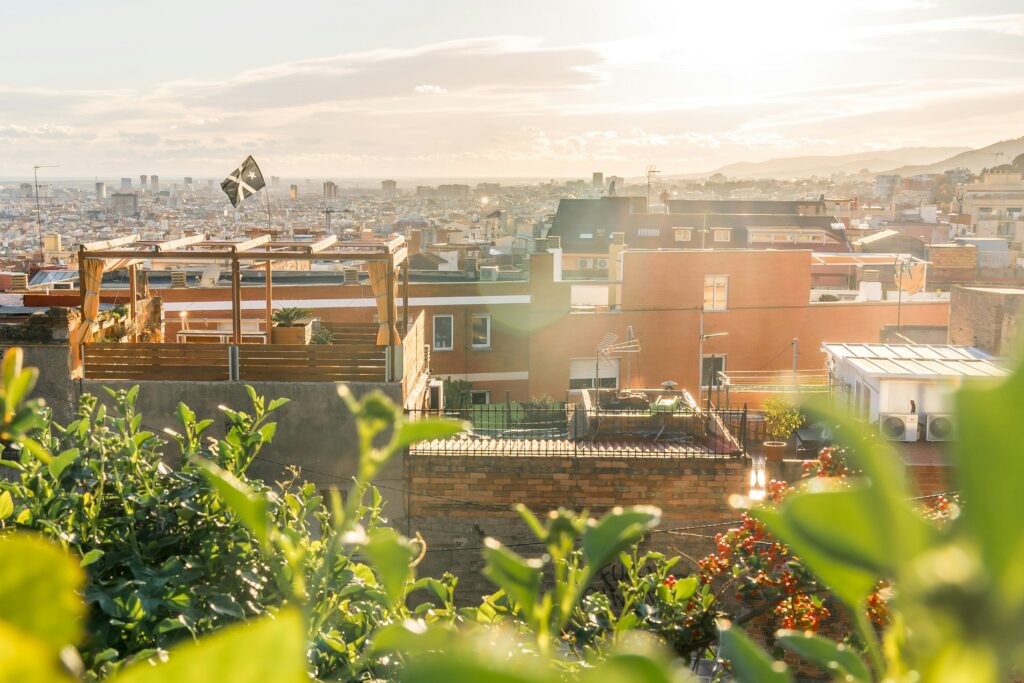
Picture this: you live in a city with no farm, no large backyard. But you have a rooftop. Or even a balcony. Now you can produce organic vegetables yourself and sell the surplus to your neighbors and friends.
This is the world of urban micro-farming: combining sustainability and profitability in small spaces.
In one neighborhood, you might have 50 homes, and each one wants fresh vegetables. You don’t compete with the massive factory—you offer something it cannot.
Why Urban Farming Resists Automation
AI might create a planting schedule for you. It might tell you when to water. But it cannot:
- Monitor plants daily: Feeling soil moisture by hand, observing leaf color, understanding each plant’s unique needs.
- Make quick decisions: You see the tomato is stressed? Change watering now. No time to wait.
- Maintain consistent high quality: Quality comes from knowledge, experience, and care. Robots produce quantities; craftspeople produce quality.
- Build relationships with buyers: Your elderly neighbor buys tomatoes twice a week because she loves their freshness—and loves you.
This is the essential point: farming is not just about plants. It’s about care, continuous monitoring, and knowledge.
Core Principles of Urban Farming
1. Hydroponics vs. Traditional Soil
You have two main options:
Traditional Soil:
- Cheaper upfront (simple bags of soil)
- Easier for beginners
- Requires more space
- More water waste
Hydroponic Farming (no soil):
- Requires higher initial investment
- Saves 90% of water
- Faster growth (3–4 weeks vs. 6–8)
- Perfect for tight spaces
For beginners: start with traditional soil, then move to hydroponics once you gain experience.
2. Choosing the Right Plants
Don’t try to grow everything. Focus on:
- Fast-growing vegetables: Lettuce, arugula, spinach (4–6 weeks)
- High-demand vegetables: Tomatoes, cucumbers, peppers (higher profit margins)
- Fresh herbs: Basil, mint, parsley (continuous demand)
- Rare flowers: If you have extra space (higher selling price)
Choose 3–4 main crops and perfect them before expanding.
3. Seasonal Planning
Farming is seasonal. Understanding seasons is crucial:
- Summer: Tomatoes, cucumbers, peppers (warm crops)
- Winter: Lettuce, arugula, green onions (cool crops)
- Spring & Fall: Transition periods (careful watering and protection needed)
How to Start: Investment and Setup
Initial Investment
Let’s keep it simple:
| Item | Cost (USD) | Notes |
|---|---|---|
| Pots/planting boxes (10–15 units) | $40–$60 | Or make from plastic bags |
| Soil and organic fertilizer | $30–$50 | For first season |
| Seeds and seedlings | $20–$40 | Choose reliable seeds |
| Watering tools and hoses | $15–$30 | Simple drip system works well |
| Protective netting | $20–$40 | Against insects and animals |
| Organic materials (fertilizers, natural pesticides) | $15–$25 | Only biological options |
| Total | $150–$250 | For first season |
Tip: Start minimal ($50–$100), then reinvest profits for expansion.
Training and Knowledge
Watch this comprehensive video tutorial on urban farming for beginners.
Learn from:
- Local farming communities: Find local growers who farm rooftops or small spaces—learn directly from them.
- YouTube channels: Many excellent channels dedicated to urban and vertical farming.
- Trial and error: Start with one crop, observe what happens, adjust your approach.
Can You Work Online?
Answer: Partially.
You need physical presence for:
- Growing and caring for plants (with your hands)
- Harvesting daily
- Delivering products to clients
But you can use the internet for:
- Advertising and marketing: Fresh produce photos on Instagram
- Taking orders: WhatsApp or simple order form
- Scheduling: Setting harvest and delivery times
- Learning: Following farming news and educational videos
Best strategy: sell locally (your neighborhood) to reduce delivery costs and maximize freshness.
Pricing Models and Income
How Much to Charge?
Prices vary by quality and season:
| Product | Market Price | Your Price (Organic Local) | Premium % |
|---|---|---|---|
| Tomatoes (per lb) | $0.60–$0.95 | $1.75–$2.35 | +150–300% |
| Cucumber (per lb) | $0.35–$0.60 | $1.40–$1.75 | +250–400% |
| Fresh lettuce (per bunch) | $0.25–$0.35 | $0.95–$1.15 | +200–400% |
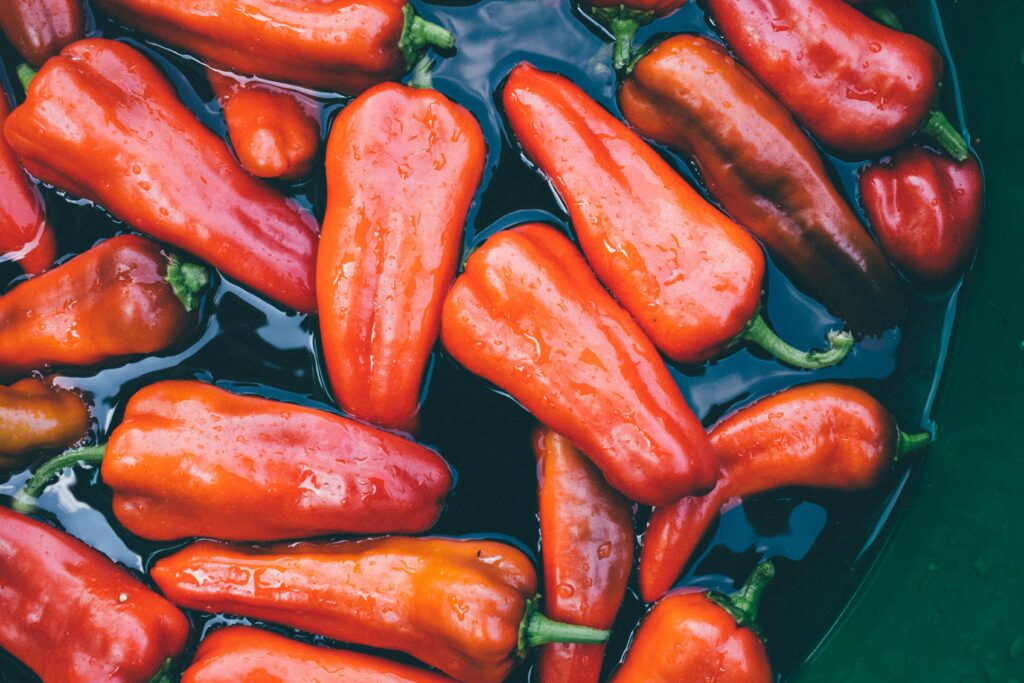
| Bell pepper (per lb) | $0.95–$1.40 | $2.90–$3.50 | +150–250% |
| Fresh herbs (per bunch) | $0.10–$0.25 | $0.60–$0.95 | +250–700% |
The key: You’re selling “fresh and organic,” not competing with the market. Buyers pay more because they want quality and trust.
Monthly Income Calculation
| Scenario | Monthly Harvest | Revenue | Expenses | Net Profit |
|---|---|---|---|---|
| Small (500 sq ft) | 110 lbs fresh | $150 | $30 | $120 |
| Medium (1,000 sq ft) | 260 lbs fresh | $450 | $75 | $375 |
| Large (2,000 sq ft) | 660 lbs fresh | $1,200 | $180 | $1,020 |
Note: These figures are just for fresh produce (not multiplied). In reality, you may earn more if you focus on high-demand crops.
🔄 Currency Converter
⚠️ Note: Exchange rates are approximate and may differ from actual market rates. Please verify current exchange rates before conducting real financial transactions.
Common Challenges and Solutions
Challenge #1: Pests and Insects
Solution: Use only organic methods:
- Water and organic soap spray
- Introduce beneficial insects (ladybugs, parasitic wasps)
- Protective netting around crops
Challenge #2: Extreme Weather Changes
Solution: Plan ahead:
- Shade cloth or protective netting for extreme heat
- Plastic cover in cold seasons
- Automated drip system for consistent watering
Challenge #3: Limited Space
Solution: Vertical farming:
- Use walls and shelves
- Build growing towers from PVC pipes
- Hanging gardens (if possible)

How to Build Loyal Customers
- Consistent quality: Every harvest is fresh and organic. Never compromise.
- Fair pricing: Higher than market, but not extreme. Value for money.
- Organic documentation: Tell customers you use no chemicals. Show photos of plants growing.
- Convenient delivery: Can you deliver to the door? Anything saving customer time builds loyalty.
- Word-of-mouth marketing: Your first customer will tell her neighbors. People love the idea.
When Do You Reach Profitability?
- Month 1: May not have harvest yet. This is setup.
- Months 2–3: First harvest ($100–$500 profit).
- Months 4–5: Continuous harvests ($300–$600 monthly profit).
- After 6 months: Balanced, highly profitable system ($400+ monthly profit).
Urban farming is slightly slower than professional organizing to reach profitability, but once it starts, it becomes very stable.
First Steps: How to Start
- Choose your space: Rooftop, balcony, or even a corner of the yard.
- Start with one crop: Tomatoes or cucumber—something you love.
- Learn while growing: Watch videos, ask local farmers.
- After first harvest, sell to friends: Earn money and get testimonials.
- Expand slowly: Add one new crop each month.
— Crafts That Resist Automation Series —
Previous Article: The Art of Professional Organizing: Transform Chaos into System and Better Living
Next Article: Specialized Home Catering: Deliver Health-Focused Meals with Your Personal Touch