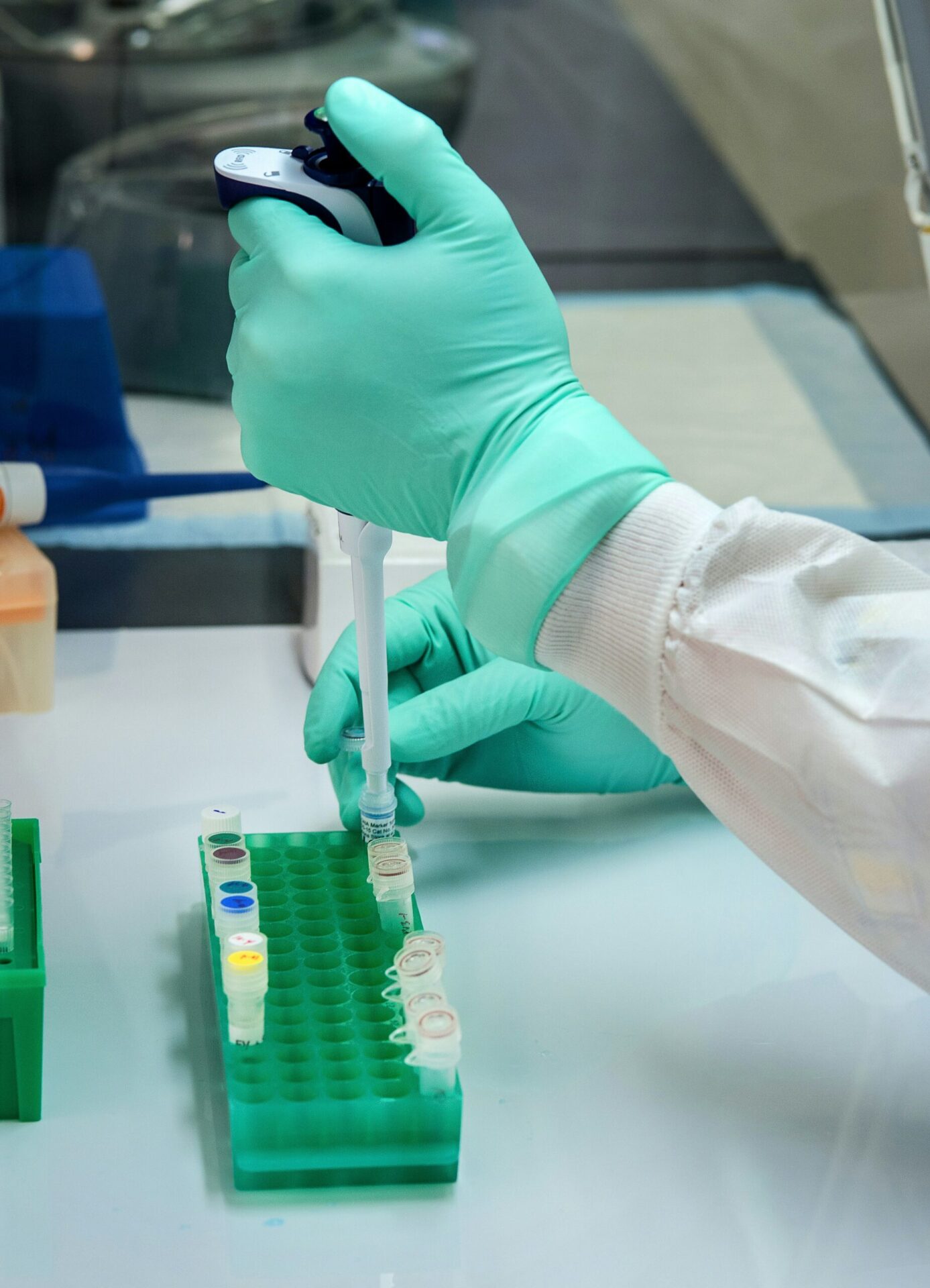
Biohacking Techniques: Can We Programmatically Modify Our Bodies?

A journey from grafting trees to engineering human biology. Is biohacking mere science fiction or a necessity for the survival of 8 billion people?
Word Count: ~1100 · Reading Time: 6 minutes
Biohacking, or More Accurately, Bio-modification:
From the moment the first human sharpened a piece of stone, or an ancient hunter-gatherer chose the seeds of the largest fruits to plant for the following season, our journey with “biological hacking” began. Humans have never been mere passive observers of nature; they have always been “engineers” attempting to rewrite reality to serve their survival. Today, we stand before the most advanced and controversial version of this endeavor: Biohacking.
Simply put, biohacking is the attempt to modify biological systems using technology and science to improve performance or extend life. But before our imagination drifts toward science fiction films and mechanical limbs, we must realize that we live in a world whose biology has been completely “hacked” for thousands of years. What is happening today to the human body is merely an extension of what we have already done to the Earth and the creatures around us.
The First Program: How Did We Modify Plants and Animals?
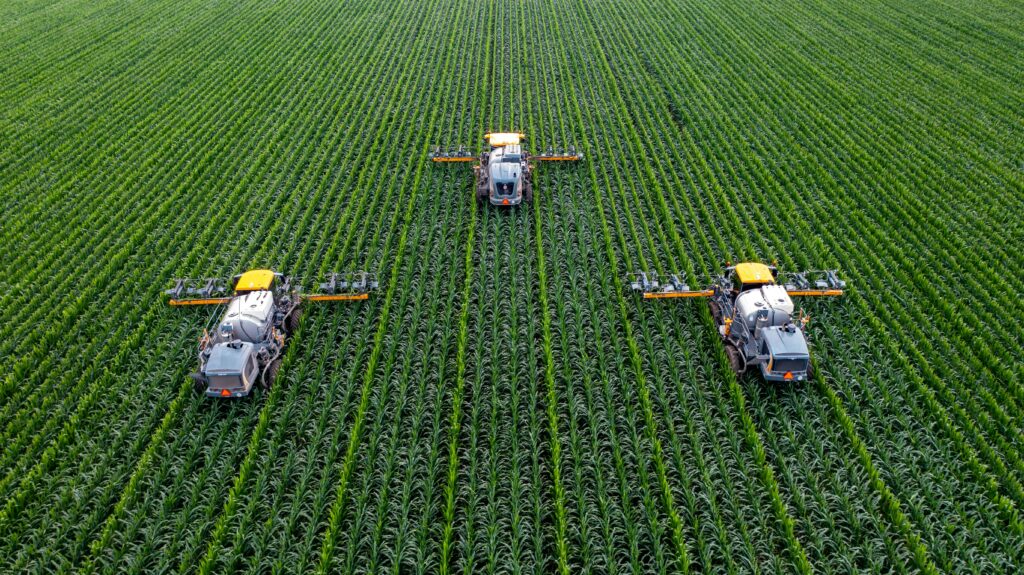
Some might think “genetic modification” is a 20th-century invention, but the truth is that a farmer grafting trees is a top-tier biohacker. When we merge a branch from a sweet-fruited tree with the rootstock of a resilient one, we are performing a “programmatic merge” to produce a more efficient organism. This human intervention transformed the banana from a fruit full of hard seeds into the soft fruit we know today, and turned corn from a tiny wild grass into massive yields of starch that feed billions.
“The crops we eat today and the animals we raise are not products of pure natural evolution, but rather the result of thousands of years of deliberate human selection.”
In India, for instance, the “Green Revolution” led by scientists like Norman Borlaug relied entirely on engineering short-stemmed, high-yield varieties of wheat and rice. Without this “biological hack” of crops, famines would have decimated hundreds of millions across Asia and Africa. We are talking here about modifying the language of nature to ensure the survival of the human species.
The Chicken Leap: Numbers Don’t Lie
Perhaps the clearest example of “programming” living organisms appears in the poultry industry. Comparing the weight of an average chicken in the early 20th century to one today—achieved through intensive genetic selection and modified feeding programs—reveals the staggering scale of human intervention. This change was not natural; it was a response to an immense protein demand from a growing global population.
| Year | Average Weight (grams) | Human Intervention Notes | Purpose & Benefit |
|---|---|---|---|
| 1900 – 1920 | ~ 900 g | Natural growth, unimproved local breeds | Primary focus on egg production; meat was secondary |
| 1950 – 1960 | ~ 1300 g | Start of breed improvement and concentrated feed | Industrial shift toward “broilers” as a cheap protein source |
| 2005 – 2010 | ~ 2000 g (2 kg) | Intensive genetic selection for maximum growth rate | Complete separation between layers and broilers to maximize yield |
| 2025 & Beyond | + 2300 g | Using Big Data to programmatically optimize feed conversion | Securing the needs of 8 billion people with minimal resources |
From the Field to the Lab: The World of DIY Biology
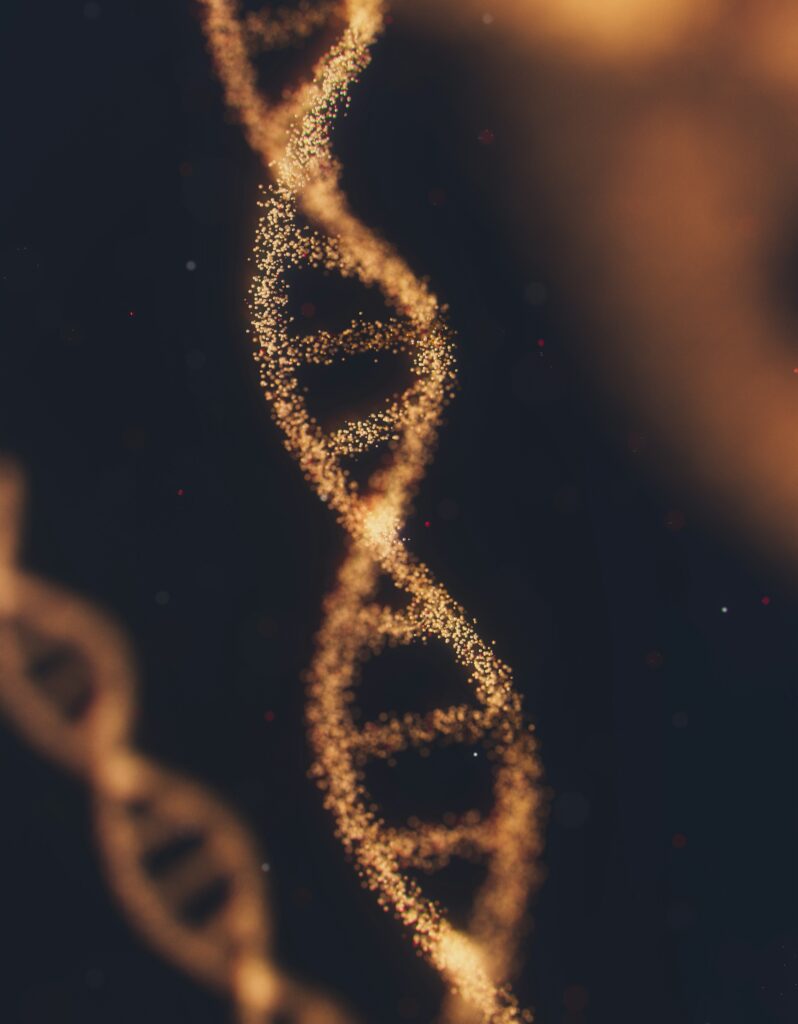
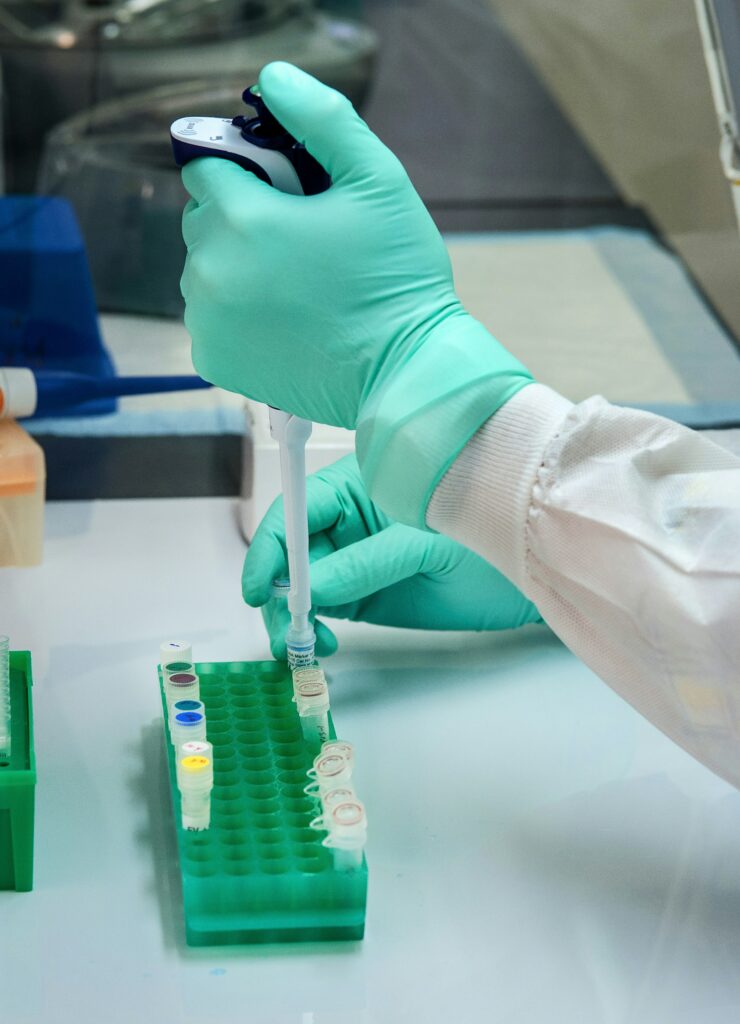
With the advancement of gene-editing tools like CRISPR-Cas9, biohacking is no longer exclusive to giant corporations. The “DIY Bio” (Do-It-Yourself Biology) movement has emerged, where individuals maintain small labs in their garages, attempting to modify bacteria to glow in the dark or creating affordable medicines. Here, the “code of life” becomes open-source.
But what about humans? Can we truly modify ourselves? The short answer is: we already are. Human biohacking is divided into several levels:
- Nutritional Level (Nutrogenomics): Adjusting what we eat based on our genetic response, a practice professional athletes refine with surgical precision.
- Technical Level (Grinders): Individuals who implant RFID chips under their skin to open doors or store data, or small magnets to sense electromagnetic fields.
- Genetic Level: The most controversial and risky, involving attempts to edit genetic sequences to treat incurable diseases or even “enhance” human traits.
Between Cinema and Reality: The Missing “Limitless” Pill
Cinema has fueled an extreme vision of biohacking. In the movie Limitless, we see a magic pill that unlocks 100% of brain capacity; in the Cyberpunk 2077 universe, we see humans who have lost their biological identity in exchange for steel limbs. These images give the impression that modification is a “departure from nature.”
However, reality corrects this view: biohacking is not necessarily a “change of identity” but rather an “improvement of efficiency.” We correct the reality imposed on us by nature (such as hereditary diseases) just as we correct poor vision with glasses or contact lenses, which are essentially external biohacks.
The 8 Billion Dilemma: Why We Can’t Stop
One might argue: “Let’s leave nature alone; modification is dangerous and unethical.” This initial objection oversimplifies a deeply complex issue. The harsh reality is that our planet does not have enough resources to feed 8 billion people if we adhered to “natural evolution” without intervention.
Without bio-hacked fertilizers, without crops modified to resist drought and pests, and without chickens that grow rapidly to provide affordable protein, the global food system would collapse within months. We are destined to “hack” in order to stay. The absolute rejection of biohacking is, in essence, a rejection of the solutions that have kept us alive until this very moment.
Conclusion: You Are Already a Biohacker!
Ultimately, you may not implant a chip in your hand or edit your genes in a home lab, but you are a biohacker every time you choose a specific food to increase your energy, or use a smartwatch to monitor your sleep and adjust your biological clock based on that data.
Biohacking is not an end in itself; it is a means. The real challenge is not in the technology, but in the wisdom with which we use it. Will we use it to bridge human gaps and feed the hungry, or to create a class of “enhanced humans”?
The answer lies in our awareness that we are no longer just passengers on the train of evolution; for the first time in history, we are the ones laying the tracks.
References:
- Borlaug, N. E. (2000). The Green Revolution Revisited and the Road Ahead.
- Zuidhof, M. J., et al. (2014). Growth, efficiency, and yield of commercial broilers from 1957, 1978, and 2005.
- Wohlsen, M. (2011). Biopunk: Kitchen-Counter Genetics and the Free Biology Movement.
- Asprey, D. (2019). Game Changers: What Leaders, Innovators, and Mavericks Do to Win at Life.