Toska: The Geography of Sorrow in the Russian Soul

An in-depth exploration of the Russian concept of “Toska”—an existential sorrow that defies translation, serving as a key to understanding the Russian soul, its geography, and its art.
Word Count: ~1350 · Estimated Reading Time: 10 minutes
Toska: The Geography of Sorrow in the Russian Soul
When the World is Too Narrow for the Soul’s Breadth
Within the lexicon of the human psyche, there exist gray areas that conventional languages struggle to map with precision. Yet the Russian language—forged in the frost of immense, sprawling plains—has offered the world a term that stands as a fortress against translators: “Toska” (Тоска). It is not merely a word; it is an existential state, a master key without which one cannot truly enter the worlds of Tolstoy, grasp the muffled cries of Dostoevsky, or taste the bitterness in Tchaikovsky’s compositions. Toska is the ache that has no name, the nostalgia that has no face, and the constriction that has no cause.
Vladimir Nabokov, the master of cross-cultural nuance, famously described Toska as the most difficult Russian word to render into English. At its lowest levels, it denotes “ennui” or “boredom,” but at its peak, it represents a “spiritual anguish” for which there is no tangible cause in the material world. It is the sensation of the soul expanding until the world becomes too small to contain it—a realization that reality, in all its mundane detail, is insufficient to satiate the imagination or the metaphysical yearning of the spirit.
Linguistic Anatomy: Sorrow as an Act of Suffocation
Etymologically, Toska shares roots with words denoting “constriction” or “choking.” This linguistic anchoring gives the emotion a palpable, physical dimension. In the Russian consciousness, Toska is not a fleeting cloud of bad mood; it is a weight upon the chest, a pressure that denies air to the lungs. It is the moment sorrow transitions from an abstract thought into a “mass” that inhabits the body, suggesting that this form of suffering is neither optional nor purely mental—it is a physical and existential destiny.
This link to suffocation explains why Russians might flee Toska toward wide-open spaces, yet often find it waiting for them in the quietest moments. It is the scream of a soul that finds no echo in a limited reality—a state of anxiety that precedes the ultimate question: “What comes next?”
Geography of the Soul: The Human Mote in the Infinite Expanse
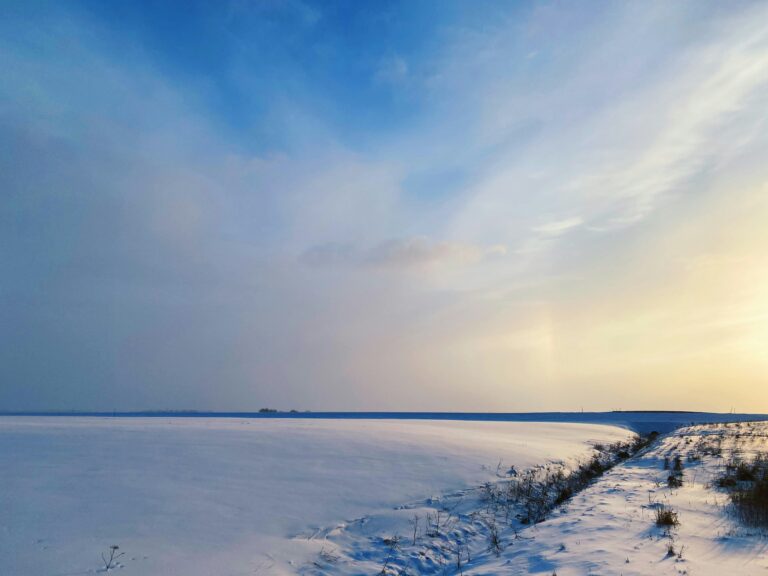
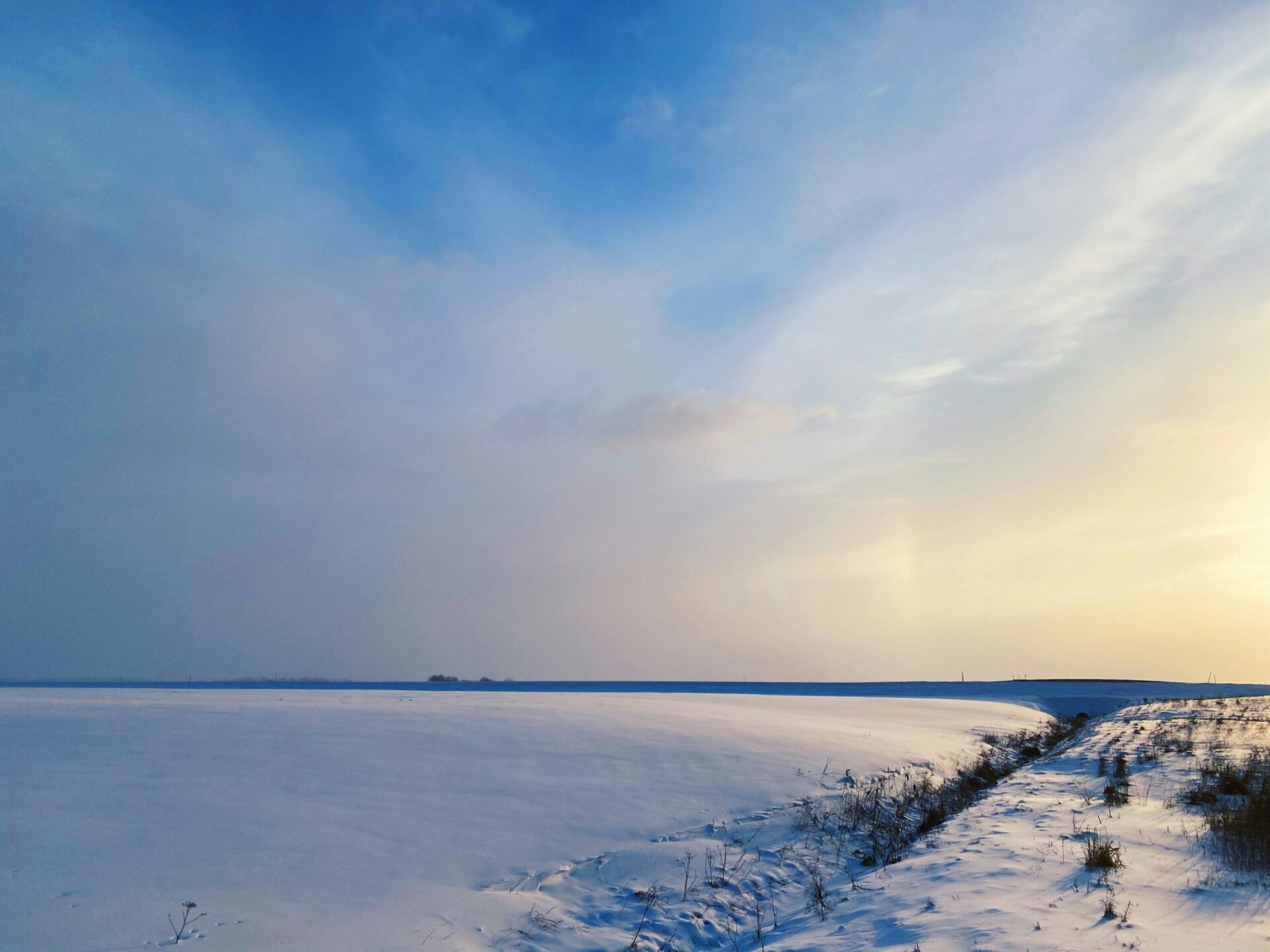
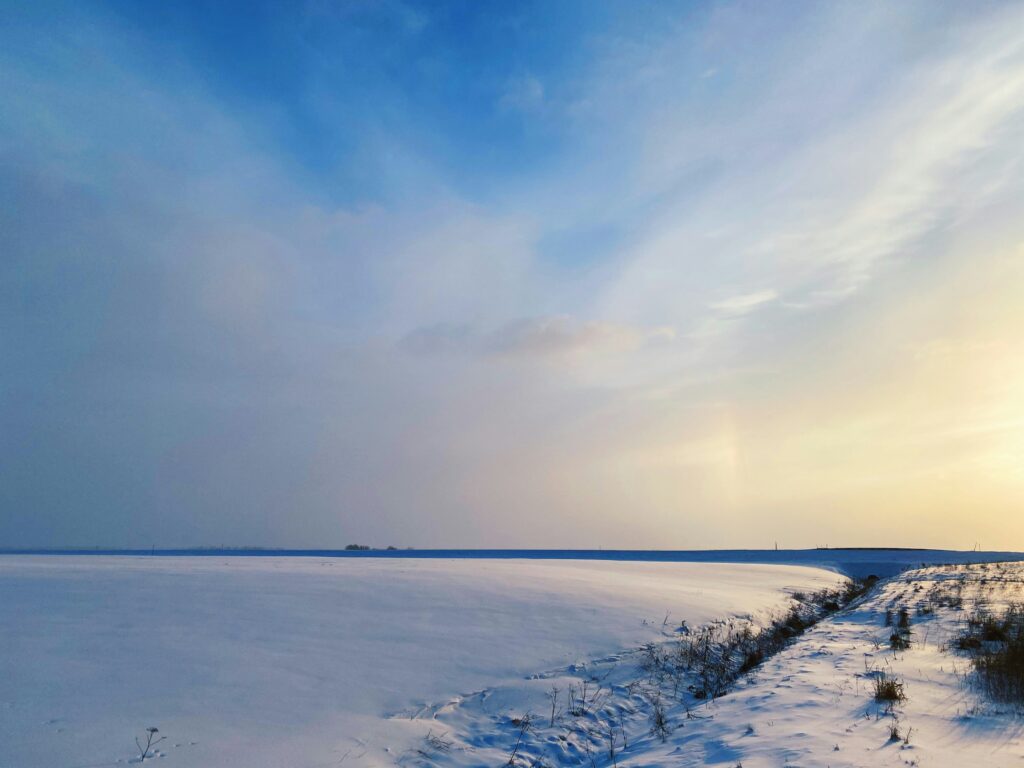
Toska cannot be divorced from Russian geography. This is a land that stretches across impossible distances, where the horizon vanishes behind ice-bound steppes and forests that seem to have no end. In this environment, the individual is confronted with their own utter insignificance—a mere black dot amidst an infinite white canvas. This direct contact with “the infinite” births a specific kind of existential estrangement.
“Toska is the tax for living in a land without borders; when everything around you is vast, your soul begins to search for boundaries it cannot find, drowning in the sorrow of distances.”
Historically, the term described the heartache of a traveler distanced from home or the lethal longing for an absent lover. However, over time, it evolved into a description of “contemporary angst.” In the sprawling Russian metropolises, Toska shifted from the sorrow of the plains to the “loneliness of walls”—the void felt in the heart of a crowd, where one possesses all the tools of material comfort yet lacks spiritual fulfillment.
Toska vs. Depression: The Noble Affliction
It is a profound error to equate Toska with “depression” in the modern clinical sense. Depression is often characterized by a loss of desire, a total extinguishing of the self, and a surrender to nothingness. Toska, by contrast, is a “burning desire” and a restlessness that refuses to subside. It is not a state of lethargy but a “feverish search” for something lost—even if that something does not exist in this world.
In Russian literature, Toska is regarded as a “noble disease.” A character who does not feel Toska is viewed as flat, lacking human depth. Toska is what forces a person toward contemplation, to face the grand questions of meaning and purpose. It represents that rare moment when an individual realizes their soul is greater than its daily function, larger than the monotonous routine of life.
Interlude: A Trinity of “Toska”—Missiles, Anguish, and Grills
In a striking linguistic coincidence, one might encounter the word “Toska” (or rather, its phonetic neighbor Tochka) in contexts far removed from philosophy—specifically in military briefings and Levantine menus.
The Point (Tochka/Точка): In Russian, Tochka literally means “point” or “target.” This is the name of the famous Soviet tactical ballistic missile system (Tochka-U), known to NATO as the Scarab. The name was chosen for its pinpoint accuracy—the ability to strike the exact target. Here lies the irony: while Tochka represents the material, the lethal, and the precisely defined, Toska (Тоска) represents the spiritual, the blurred, and the state that cannot even define where it hurts.
The Feast (Toska): Curiously, in the Arab world—specifically in the Levant—”Toska” is a beloved street food. It is a pita sandwich stuffed with spiced minced meat (kafta) and a generous layer of cheese (usually melting akkawi or kashkawan), then grilled until the bread is crisp and the flavors meld. While the origin of the dish’s name isn’t necessarily tied to the Russian abyss, the juxtaposition is irresistible: where the Russian describes a choking of the soul, the Syrian finds in “Toska” a sanctuary from hunger and a celebration of flavor.
Thus, we find ourselves before a strange trinity for the same phonetic echo:
• Toska (The Soul): An existential sorrow that constricts the chest.
• Tochka (The Matter): A lethal weapon that strikes the target with precision.
• Toska (The Taste): A warm meal that brings friends together around a table.
In the Sanctuary of Literature: The Engine of Giants
To see Toska in its most brilliant light, one must observe the characters of Fyodor Dostoevsky. Consider Raskolnikov in Crime and Punishment; what drove him to wander aimlessly through the streets of St. Petersburg before his crime was not mere poverty, but an acute state of Toska—a spiritual constriction so tight he felt the entire world was closing in on him.
We find it similarly in Leo Tolstoy’s work; Toska is the hidden thread connecting the moments of existential despair in his protagonists. It is the catalyst that made Anna Karenina feel that life no longer had room for her emotions. In Russian literature, Toska is the “hidden protagonist” that moves the plot—the state that invariably precedes the moment of either epiphany or collapse.
Echoes of the Void: The Music of Monotony
Toska did not limit itself to words; it seeped into Russian music to become its primary theme. Tchaikovsky’s Symphony No. 6 (the Pathétique) is considered the supreme musical embodiment of the concept. Across its movements, we transition from deep spiritual despair to frantic attempts to find an exit, only to end in a funereal silence that captures the very moment of suffocation.
In the contemporary era, the Belarusian band Molchat Doma has revived this concept through post-punk. Their hit “Toska” features a monotonous, gloomy melody that perfectly captures the “spiritual boredom” of living amidst gray industrial architecture—a life that seems to spin in a futile cycle. Here, Toska is no longer tied to the steppes but has become the cry of the individual against industrial repetition.
“Toska in music is not merely a melancholic strain; it is the rhythm that tries to catch the pulse of a heart in search of its vanished home.”
Digital Toska: Collective Solitude
Can this Russian term be localized in our modern world? The answer is a resounding yes. In our digital age, we live through what might be called “collective solitude.” We are “connected” to everything and everyone at every second, yet we feel a profound Toska regarding genuine, warm human connection.
The void felt after hours of infinite scrolling is a modern Toska. We have “information” but lack “meaning”; we have “followers” but lack “companionship.” The world has become a small village, but this village is increasingly narrow for our souls, which refuse to be reduced to data points or algorithms.
Conclusion: Toska as an Existential Compass
In the end, Toska remains more than just a dictionary entry; it is a constant reminder that the human being is a creature that transcends material boundaries. It is the tax we pay for our ability to dream, and for our rejection of reality when it falls short of our spiritual aspirations.
Toska is the state that forces us to pause, to look at the sky, and to search for something higher. Perhaps this Russian sorrow is the truest expression of the human condition: we are all travelers in a permanent state of Toska, searching for a Tochka—a point—that gives our lives meaning, while the earth grows narrow beneath the expansion of our souls.
References and Sources:
- Vladimir Nabokov, “Commentary on Eugene Onegin,” 1964.
- Fyodor Dostoevsky, “Complete Works,” translated by various.
- Edith W. Clowes, “The Russian Soul: Cultural Concepts,” 1999.
- Soviet Weaponry Encyclopedia, “Tochka-U Ballistic Missile System.”