Attention Economy: How Algorithms Steal Your Focus and Sell It
Every phone notification, every email, every button click is scientifically designed to pull your attention. A look at how algorithms turn your mind into a product.
Word count: ~2,000 • Estimated reading time: 10 minutes
Attention Economy
How Algorithms Steal Your Focus and Sell It
A freelancer dreamed of “real digital freedom.” He moved to Bali, escaping a crowded office and repetitive life, expecting the tropical island to become a shield against work stress. But he found the opposite: a trap more complex than any office building. Not from walls and set hours, but from endless notifications, algorithms that monitor him relentlessly, and psychological pressure unlike anything before.
This is not just one person’s story. This is the reality of thousands of freelancers today. And the question we must ask: who actually owns your attention?
There Is No “Digital Freedom” — Only Different Forms of Prison
At first, freelance platforms like Upwork and Fiverr seemed like a magic solution: freedom from offices, flexibility in hours, ability to work from anywhere. But there is one thing they never mentioned in the ads: these platforms do not want you free. They want you addicted.
Every freelance platform relies on one income model: you work more = more transactions = more fees for the platform. So everything on these platforms is scientifically designed to keep you awake, anxious, and trained to check notifications every five minutes.
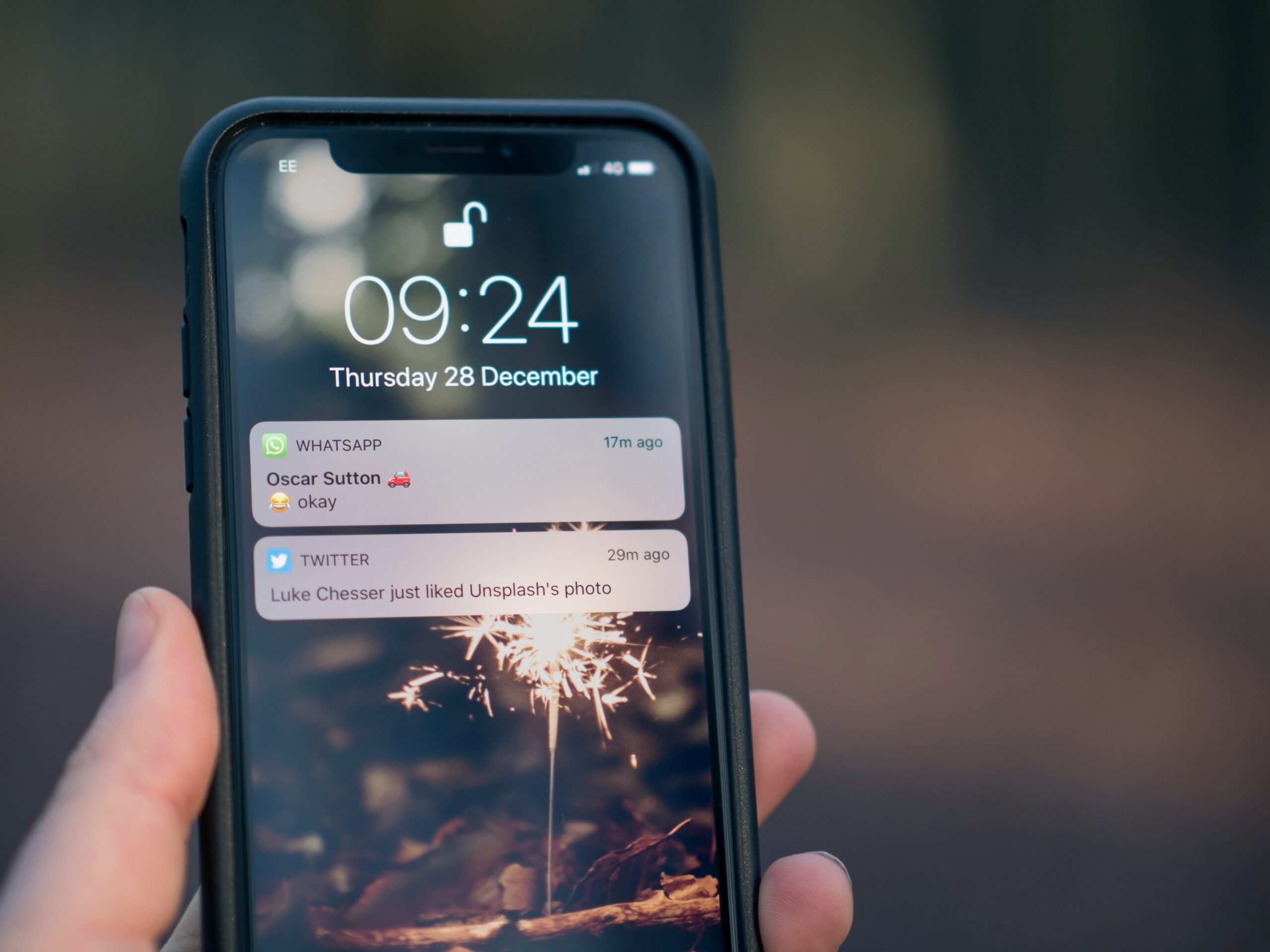
A new notification is not information — it is a carefully designed psychological weapon. Every “blink” from your phone, every little red dot on the app, every new email — all of this triggers the same neural pathways in your brain that addiction does. And this is not hyperbole. Neuroscience studies prove that notifications trigger dopamine release in the brain the same way gambling does.
Dopamine and Digital Addiction: The Science Behind the Trap
How companies design apps to make you feel you cannot stop
When you wait for a reply from a potential client, your brain releases small amounts of dopamine (a reward hormone). Every new notification restarts this cycle. Companies know this — so they design notifications precisely to keep this loop spinning all day long.
The Algorithm as Prison Guard
The algorithm does not see its goal as “connecting people to work.” Its goal is to increase “engagement” — a pretty word that means “time you spend on the platform.”
How does it increase engagement? By sending notifications about new projects, even if they do not suit you. By showing cheaper offers from competitors to make you feel behind. By hiding projects from your profile if you do not log in daily. By ranking freelancers who “do not respond fast” lower, even if they are the best.
The result: a freelancer wakes at 6am terrified of missing a “good” project. Opens the phone immediately. Checks 30 notifications. 25 are about projects he does not want, but he opens each one “just to check.” By 7am, he has already burned 30 minutes of his daily mental energy.
Attention as Commodity: Who Owns Your Focus?
Economists repeat one phrase often: “If you do not pay for the product, you are the product.” This is exactly true for freelance platforms.
You do not pay Upwork direct fees to use it — but you pay with your most precious currency: your attention. Every hour you spend checking notifications without focus, every day you fear missing an opportunity, every night you wake at 3am anxious — all of this is converted to data.
Algorithms know: how many times did you open the app? How long on each page? Which projects made you focus more? When are you most likely to accept a low-priced offer? All this data is sold to clients (companies posting jobs) so they can target you more precisely.
Burnout: The Real Price of False Freedom
When you live in a state of constant anxiety — fear that competitors are faster, fear the algorithm hid your profile, fear you missed a “golden opportunity” — your body stays in permanent fight-or-flight mode.
This is called “chronic stress,” and it slowly destroys your health. Your heart suffers, sleep deteriorates, immunity weakens, and worst of all — your ability for deep focus disappears completely.
Instead of landing “good” deep freelance work, you find yourself accepting every offer. Instead of building a specialized field, you become a “jack of all trades” doing everything poorly. And instead of enjoying “freedom” to work from Bali, you find yourself trapped in a cycle of notifications and anxiety.
This is not a personal failure. This is a system scientifically designed to exhaust you.
How to Reclaim Your Attention
First step: accept that platforms do not serve you. They serve themselves. Once you accept that, you can start escaping the trap.
First: build a client base outside platforms. Direct clients who do not come through Upwork or Fiverr. Clients you find through your personal network, your own website, or referrals. These clients pay more and do not bombard you with random notifications.
Second: set specific times to check platforms. Not all day. Only twice: morning and evening. Rest of the time, turn off notifications completely.
Third: raise your standards without fearing the algorithm. Say “no” to 90% of projects. Let your “rating” drop a bit. The algorithm may not like you, but your mind will thank you.
Fourth: realize that “digital freedom” starts by saying no to platforms. Not by running to them.
Conclusion: Your Attention Is Not for Sale
The attention economy is built on one simple premise: your attention equals money. So every entity offering a “free service” works hard to pull your focus.
The freelancer who protects their attention is the one who actually succeeds. Not by working more, but by working with more depth and focus. And that starts by saying “no” to platforms that want to control your time.
In the articles ahead, we will discuss how to build a sustainable career without depending on platforms, and how to create real “temporary stability” away from digital anxiety. But first, you must accept that your attention deserves protection.