
The Third Simulation: Art in the Age of Generative AI
If art is an imitation of reality, then AI art is imitation of imitation. What remains of creativity when copies produce copies?
Happy Sunday! ☕ Relax, unwind, and enjoy your day with us.
Happy Sunday! ☕ Relax, unwind, and enjoy your day with us.
Deep philosophical journeys: Plato’s cave, consciousness and identity, ethics, meaning of life, freedom and responsibility. Reflections on fundamental questions of human existence and meaning.

If art is an imitation of reality, then AI art is imitation of imitation. What remains of creativity when copies produce copies?

Plato trusted philosopher kings. We trust algorithms. The difference is that algorithms do not know they are governing — and no one can hold them accountable.
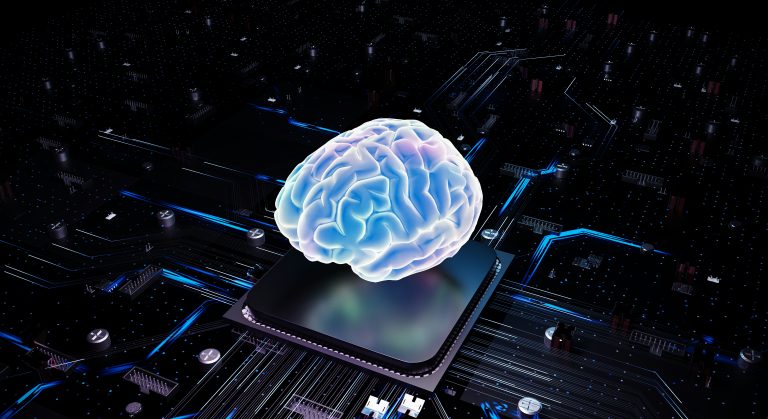
Plato called the body a prison. Today Neuralink promises to free the mind from it. But is escaping biology the same as finding freedom?
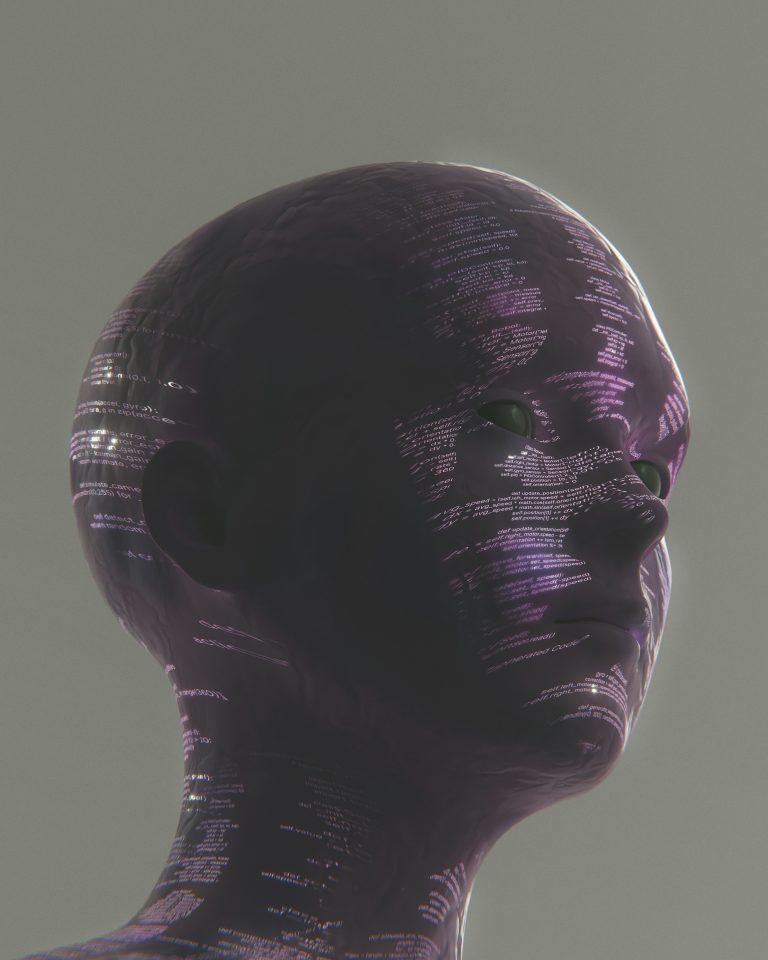
Plato searched for perfect forms. Today we build them in code. But are digital twins closer to truth — or further from it?

The cave is no longer a metaphor. It is infrastructure — built, owned, and monetized by a handful of corporations. Who designs the walls?

What if Plato’s cave never disappeared — only evolved? In the age of VR and social media, we are no longer chained, yet we choose to stay.

Jürgen Habermas died today — the German philosopher who spent a lifetime asking one question: how can societies understand each other without sliding into authoritarianism? A reading of his life, his philosophy, and his critics.

The executioner always needed a justification — a story to tell himself before sleep. Mamdouh Adwan mapped this with painful precision in “The Bestialization of Man.” But what happens when we invent something that doesn’t sleep and needs no story?
Religion is no longer a matter of private faith or spiritual need. Today it is shaped by geopolitics, packaged as a consumer product, and sold on social media. Walter Stace, a British philosopher who died in 1967, spent his life asking the questions that might still save us from this confusion — if we are willing to listen.
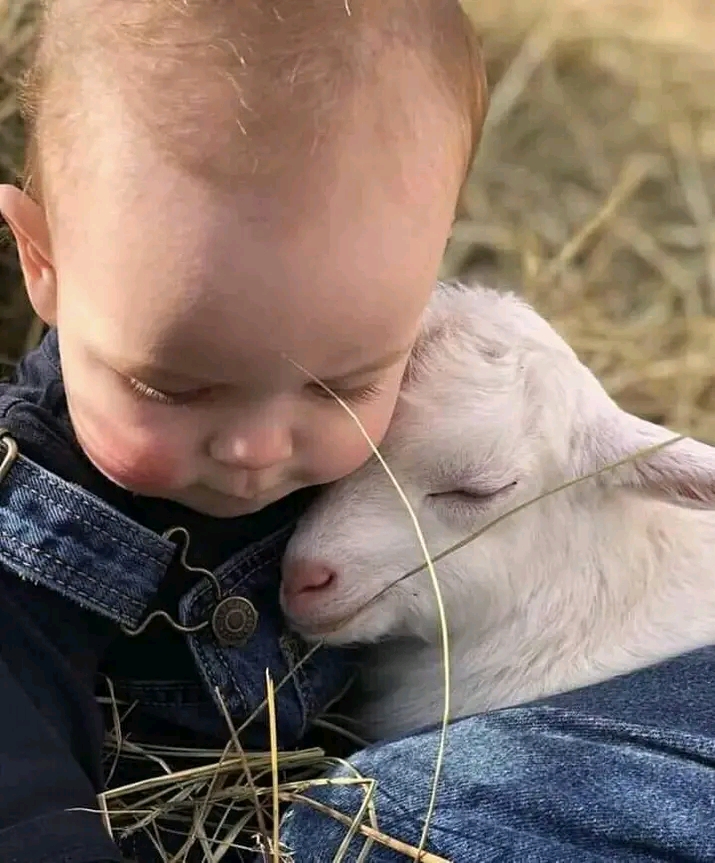
When a philosopher jumped into a river to save a cat, and when an actor stood before the world to speak for a cow — neither was showing weakness. Both were proving their humanity was still alive. Compassion toward the weakest creatures is not a moral luxury. It is the oldest and most precise measure of how far a human being has truly come.