Déjà Vu Phenomenon: Science and Memory Mystery
Ever felt like you’ve lived this moment before? Explore the science behind Déjà Vu, from neurological glitches to memory patterns, and decode this brain mystery.
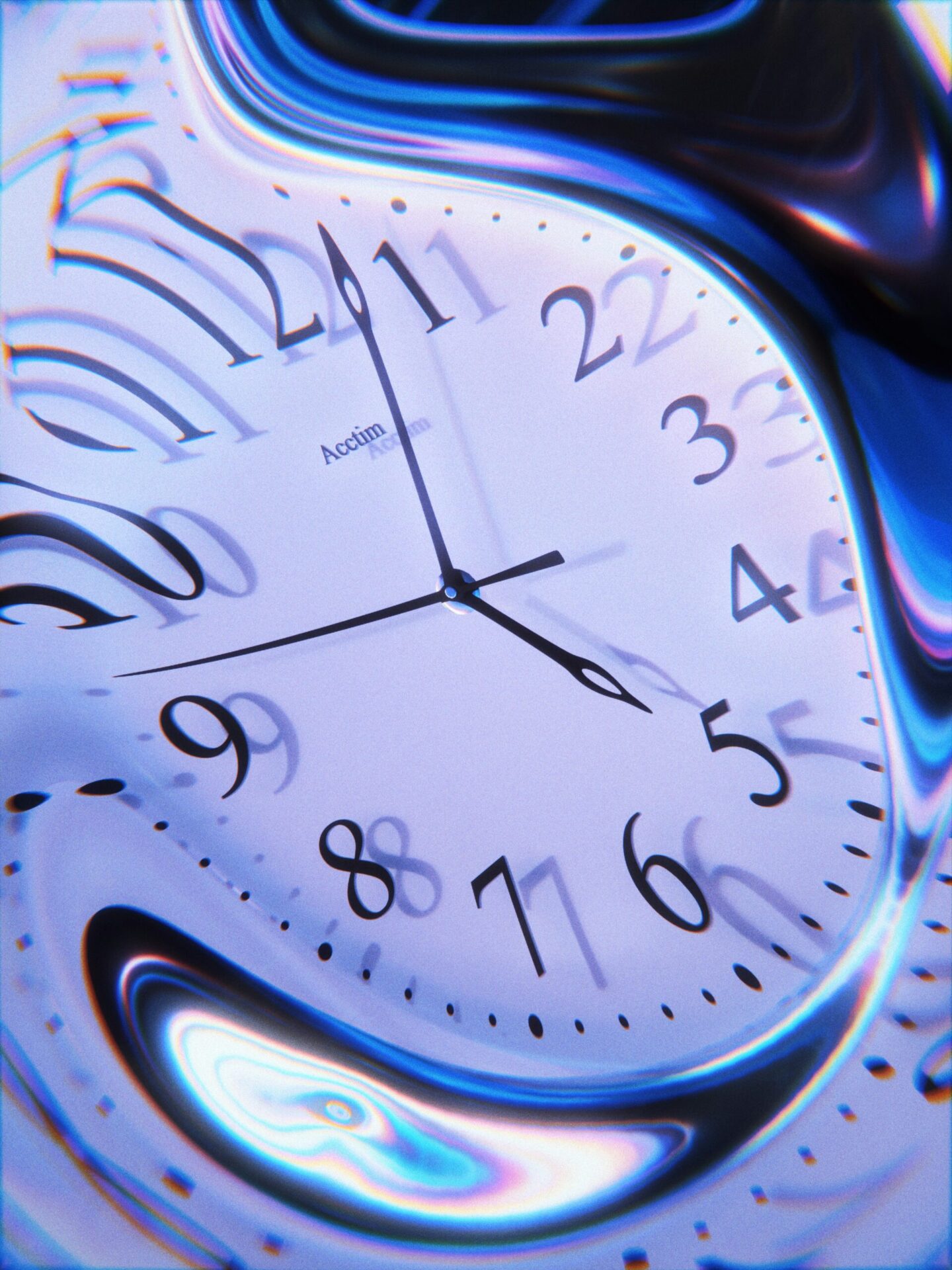
Imagine you are walking down a street you’ve never visited in a foreign city. Suddenly, an overwhelming feeling washes over you: you have been here before. You know exactly what’s around the corner, and you anticipate the color of the cat about to jump from behind the fence. We have all experienced this unsettling yet fascinating sensation; it is “Déjà Vu”—French for “already seen.” In this article, we will work together to decode this moment that makes us question the very nature of time and memory.
First: What is Déjà Vu? We and the Lost Moment
For us as human beings, Déjà Vu is one of the most mysterious mental experiences. We aren’t talking about an old dream or a forgotten memory, but a “glitch” in processing the present that makes it feel like the past. Studies suggest that about 60% to 70% of people have experienced this phenomenon at least once, most commonly occurring between the ages of 15 and 25.
Why do we feel it?
When this state strikes, we feel as if we have a “superpower” to predict the next second. However, as soon as the moment ends, we realize we didn’t actually possess any real information. It is an illusion of familiarity rather than true knowledge. We are facing a chemical and electrical dance within our brains that places us in a microscopic time gap.
Second: Scientific Explanations.. When Our Brain Stumbles
In our scientific communities, we have spent years trying to explain this phenomenon without resorting to metaphysics. Here is what we have discovered through neuroscience:
1. Split Perception Theory
This theory suggests that we see a scene twice in such rapid succession that we don’t consciously notice. Perhaps we were distracted for a split second while our eyes recorded the scene. When we return to full focus, the brain processes the second piece of information as if it were a memory of the first one recorded by the subconscious moments earlier. We are simply experiencing a “broadcast delay” within our own minds.
2. A “Short Circuit” in Brain Wiring
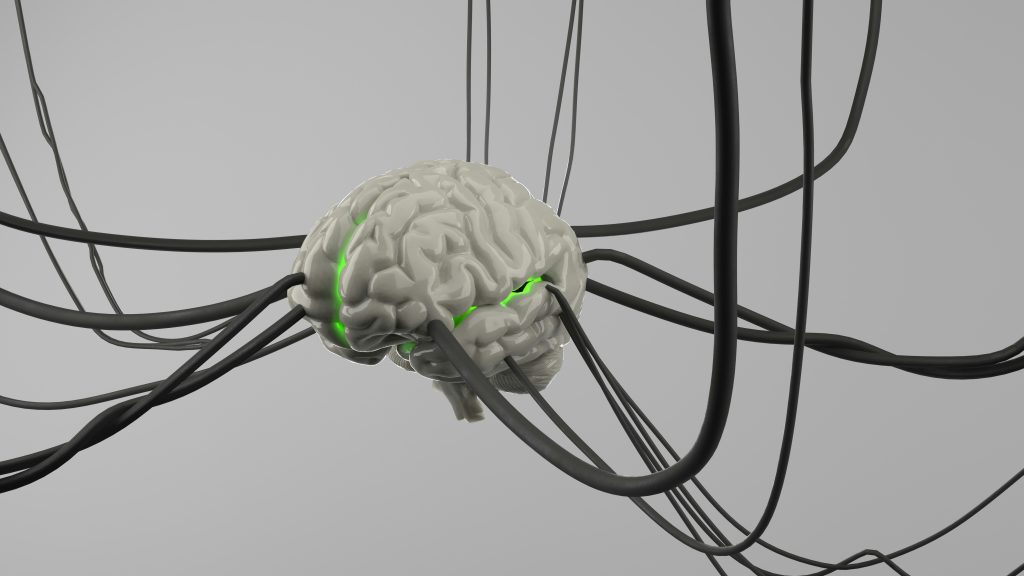
Some scientists believe Déjà Vu is the result of a minor, harmless electrical discharge in the brain, similar to tiny seizures in the temporal lobe (the area responsible for memory). This discharge causes the brain to confuse the present with the past, storing the current moment directly into the “long-term memory” file instead of the temporary one.
“Déjà Vu is not a window into a past life; it is a synchronization error within our biological processor. The brain tries to tell us that the present is a memory, and we believe it.”
Third: Memory and Pattern Recognition.. We and the Hidden Similarity
One explanation we lean toward in modern psychology is “Spatial Similarity.” We visit thousands of places and see thousands of images; our brains are masters at storing patterns. If we enter a room where the furniture layout resembles our grandmother’s old house, or even a restaurant we saw in a movie years ago, our minds fire a “Familiar!” signal.
The problem is that we don’t remember the original source (the house or the movie). Instead, we only get the “feeling of familiarity.” Since we can’t find a logical explanation for this feeling, our consciousness translates it into Déjà Vu. We are victims of our selective memory, which loves to link patterns without giving us the full details.
Fourth: Fascinating and Bizarre Facts
- Déjà Vécu: A much more intense version where a person doesn’t just feel they’ve seen a place, but feels they have lived the entire situation in detail, including smells and sounds. This state can last for minutes and cause significant anxiety.
- The Fatigue Connection: We have found that people suffering from extreme stress or lack of sleep are more prone to this phenomenon. When the brain is tired, “sync errors” happen more frequently.
- Jamais Vu: The exact opposite! This is when you look at something very familiar (like a sibling’s face or a simple word you write every day) and it suddenly feels completely alien, as if you’ve never seen it before.
Fifth: Beyond Science.. Are There Other Dimensions?
While we stick to scientific explanations, human imagination has never stopped at the laboratory door. In cinema and literature, we find theories about parallel universes where Déjà Vu is a moment of intersection between two versions of ourselves in different worlds. While these are brilliant ideas, we lack physical evidence, and they remain creative musings that add to the phenomenon’s charm.
Sixth: Risks.. When Should We Worry?
In most cases, Déjà Vu is a sign of a healthy, active brain processing data. However, if this phenomenon recurs several times a day or is accompanied by dizziness, headaches, or brief loss of consciousness, we might be looking at temporal lobe epilepsy. In such cases, we must consult a neurologist immediately.
Seventh: How Should We Handle This Moment?
Next time it happens to you, do not try to fight it or fear it. We recommend you enjoy it as a “mental game” your mind is playing. Try to observe your surroundings: Is there a specific scent? Is there a familiar sound? Perhaps this will help you find the actual memory that triggered the confusion.
“We inhabit incredibly complex bodies, and Déjà Vu is just a reminder that we do not have full control over our sensory inputs. We are merely passengers in this magnificent journey of consciousness.”
Conclusion: We and the Memory Puzzle
Ultimately, Déjà Vu remains a powerful reminder of the human brain’s complexity. We are creatures living in the present, but our minds are constantly integrating the past and predicting the future. These moments of mystery are what make the study of the human psyche so endlessly enjoyable. We don’t have all the answers, but we certainly enjoy asking the questions.