Learn Indonesian in a Week (2): Greetings & Self-Introduction
Master essential Indonesian greetings and learn to introduce yourself in Bahasa. Discover cultural tips about the world’s largest archipelago!
Learn Indonesian in a Week: Your Practical Guide
Day 2: Greetings & Self-Introduction
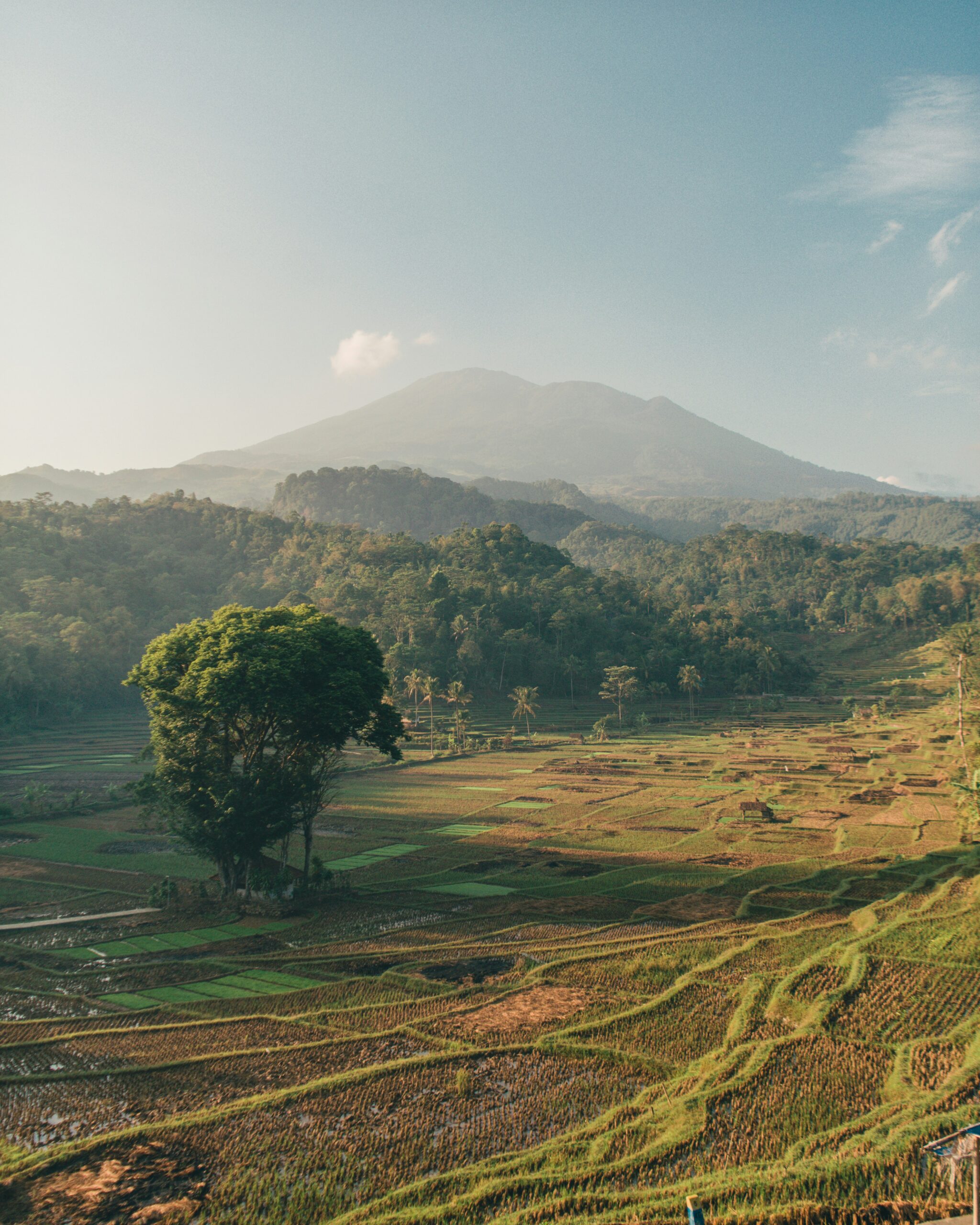
Welcome back! Today, we’re learning the “keys to the heart” in Indonesia. Did you know you’re dealing with a population living across the largest archipelago in the world? We’re talking about a staggering number of islands—somewhere between 17,500 and 18,000 islands! In the midst of this vast diversity, Bahasa Indonesia unites over 278 million people. Despite the legendary traffic jams in cities like Jakarta, you’ll find that smiles are never in short supply.
Time-Based Greetings
In Indonesia, people don’t just say “Hello.” They prefer greetings specific to the time of day. Let me show you how to use them:
| Greeting | Pronunciation | When to Use |
|---|---|---|
| Selamat Pagi | Suh-la-mat Pa-ghee | Good Morning (until 11 AM) |
| Selamat Siang | Suh-la-mat See-ang | Good Day (11 AM – 3 PM) |
| Selamat Sore | Suh-la-mat Sor-ray | Good Afternoon (3 PM – Sunset) |
| Selamat Malam | Suh-la-mat Ma-lam | Good Night/Evening (After Sunset) |
Fun Fact: Jakarta Traffic & Motorbikes
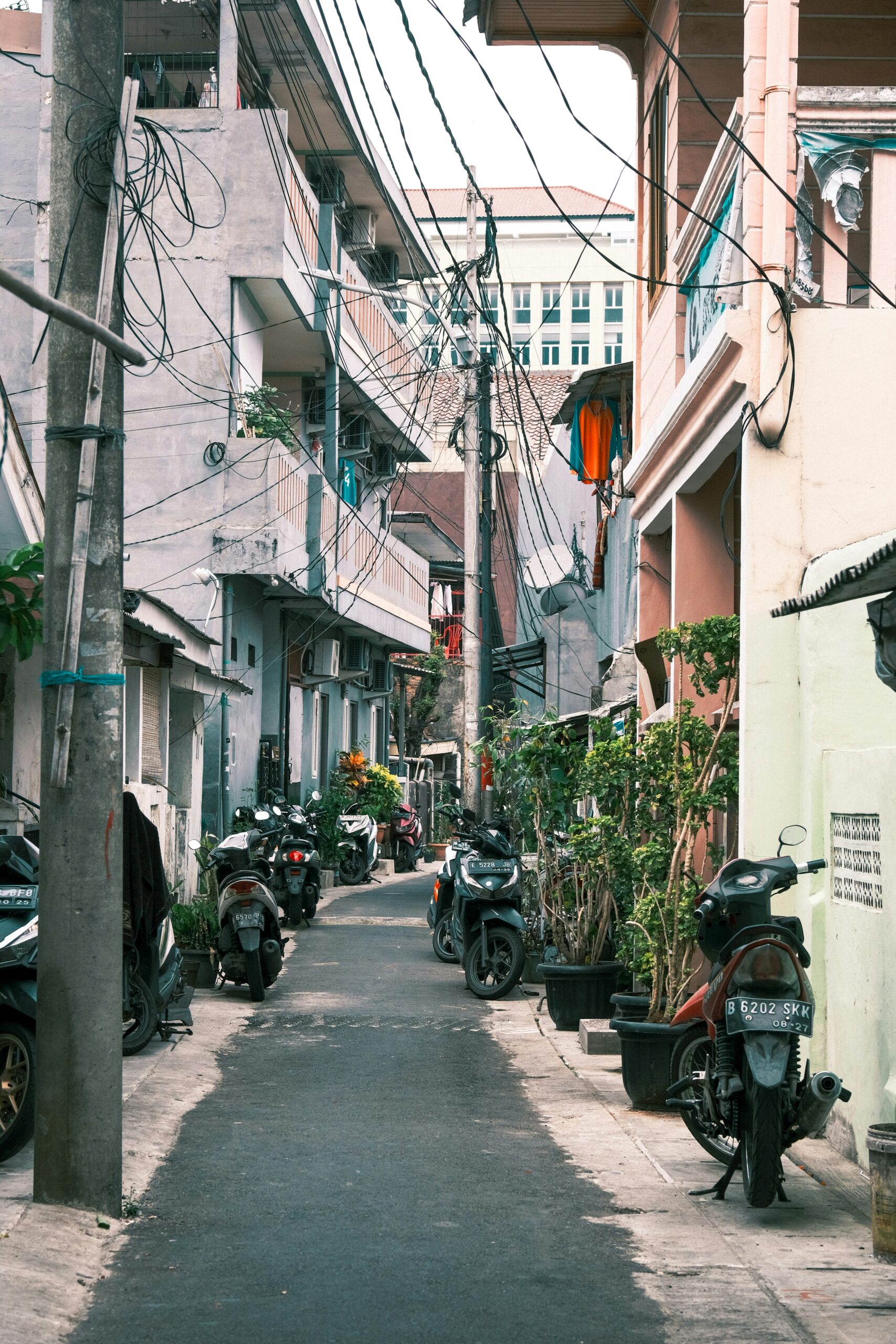
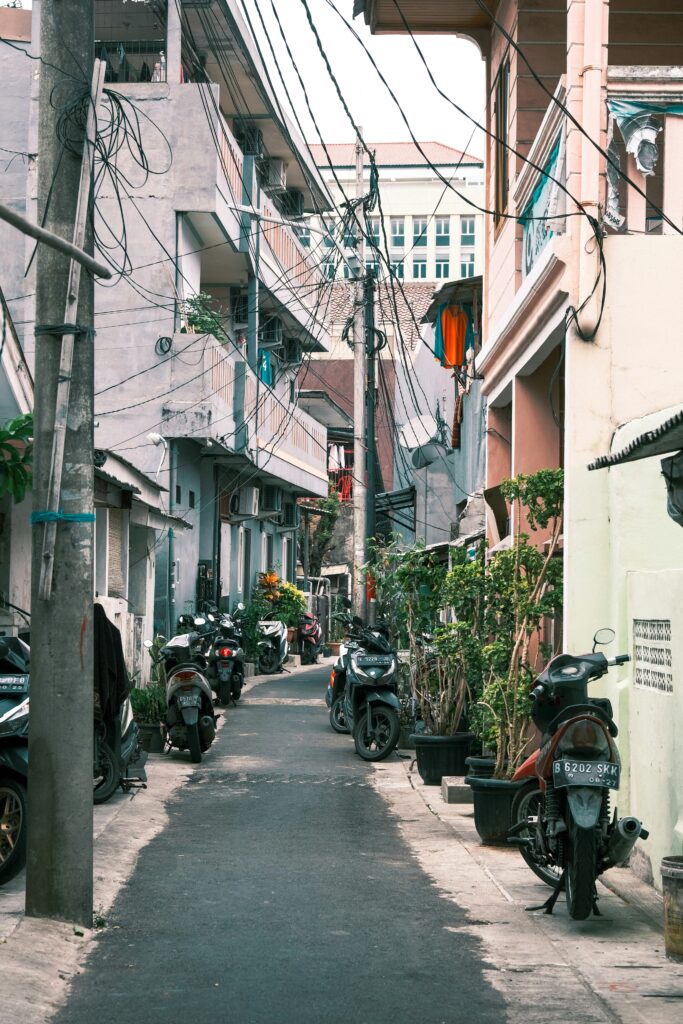
If you find yourself stuck in Jakarta’s legendary gridlock, you’ll notice that motorbikes are king. They are the fastest and most popular way for millions to get around. Don’t be surprised if “Selamat Pagi” is the phrase you hear most from active riders in the morning!
Self-Introduction: Simple & Powerful
Indonesians are naturally and friendly curious. They might ask your name and where you’re from as soon as a conversation starts. These phrases will “save you”:
| Indonesian Phrase | Pronunciation | English Meaning |
|---|---|---|
| Nama saya… | Na-ma Sa-ya… | My name is… |
| Siapa nama Anda? | See-apa na-ma An-da? | What is your name? (Polite) |
| Saya dari… | Sa-ya da-ree… | I am from (Country)… |
| Apa kabar? | Apa ka-bar? | How are you? |
| Kabar baik | Ka-bar ba-eek | I am fine (Response) |
Cultural Insight: A Peaceful & Gracious People
With the majority of the population being Muslim, you will find many gracious customs, such as extreme hospitality and the preference for using the right hand for greetings or eating. The word “Baik” doesn’t just mean “fine,” it also means “good” or “kind,” reflecting the peaceful nature of the locals.
Exercise: Express Yourself
Imagine meeting someone new at your hotel. Try forming this conversation:
1. Greeting (based on your current time).
2. Nama saya [Your Name].
3. Saya dari [Your Country].
Listen to the Pronunciation
What’s Coming Next?
Now that you’ve introduced yourself, it’s time to move! In the next article, we’ll learn Transport & Directions, and how to deal with Gojek and taxi drivers like a pro.
Day 2 Vocabulary Table:
| Word | Pronunciation | Meaning |
|---|---|---|
| Orang | O-rang | Person / Human |
| Teman | Tuh-man | Friend |
| Jalan-jalan | Ja-lan Ja-lan | To wander / Sightseeing |
| Senang | Suh-nang | Happy |
| Maaf | Ma-af | Sorry |
- BPS-Statistics Indonesia (Demographics 2024).
- Indonesian Language Course for Foreigners (BIPA).
— Learn Indonesian in a Week Series —
Previous Article: 1 – Introduction & Pronunciation
Current Article: 2 – Greetings & Self-Introduction
Next Article: 3 – Transport & Directions
Free Language Series
Learn Indonesian in a Week — 10 Articles





Series Learn Indonesian in a Week | Zyyazan