Panzhi (胖之): Quiet Rebellion Against Hustle
Exploring Panzhi—the modern Chinese cultural phenomenon where youth choose rest over blind ambition and quietly reject workplace pressure through humor and conscious resistance.
Word Count: ~1,500 • Reading Time: 10 minutes
Panzhi (胖之): When China’s Youth Chose Rest Over Hustle
A quiet rebellion against ambition and the rat race
In modern China, where hustle culture and historical ambition reign supreme, a peculiar cultural phenomenon emerged. The term Panzhi (胖之)—literally translatable as “fatness” or more accurately “lying flat in peace”—has begun spreading among Chinese youth like a darkly humorous inside joke.
But it’s not an ordinary joke. It’s a quiet political statement.
Panzhi is an emerging life philosophy that essentially asks: “Why are we running in this crazy race?” It’s the soft answer to workplace pressure, to demanding parents, to an educational system that devours youth, to China’s national dream that requires endless sacrifice.
Panzhi isn’t laziness. It’s a protest against how we define success—and that’s something completely different.
What Exactly Is Panzhi?
Let me be straightforward: there’s no official definition of Panzhi. It’s a phenomenon on social media, primarily on the “Little Red Book” (Xiaohongshu) app and Chinese forums. Young people use it to talk about:
- Doing the bare minimum at work
- Quietly refusing unpaid overtime
- Choosing life balance over blind ambition
- Not emotionally investing in a job that would replace you tomorrow
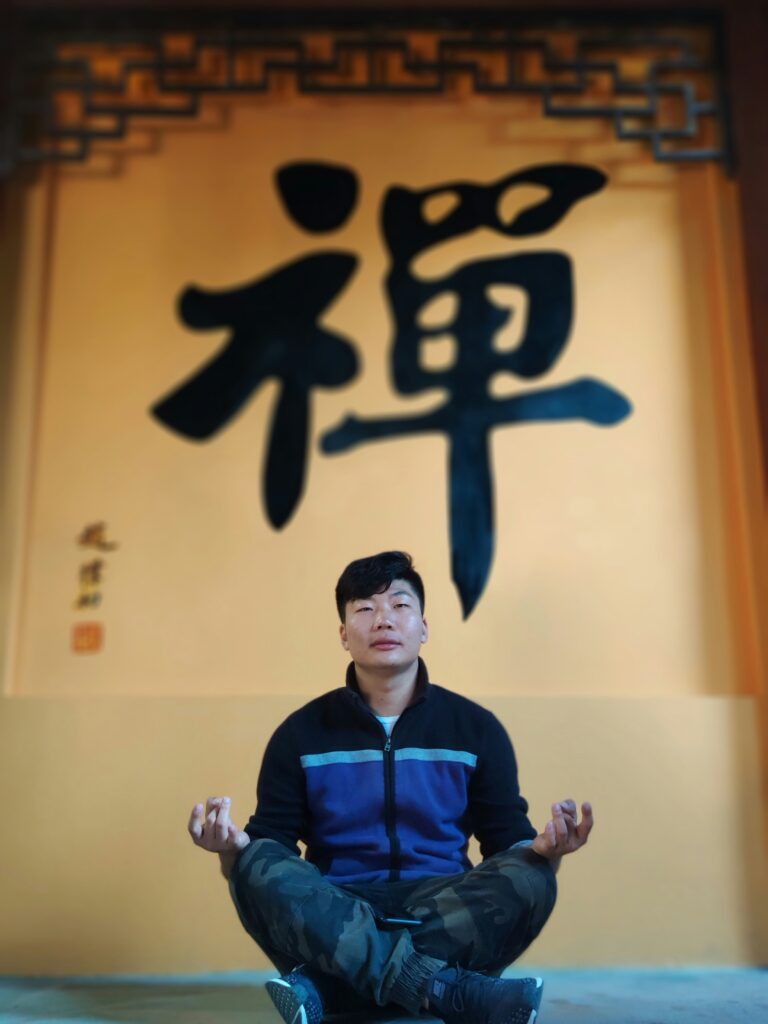
The word itself is quirky—Panzhi literally means “fat” or “plump,” but in context it’s more like “lying flat in peace,” as if someone has surrendered to rest instead of racing.
It’s essentially a culture of quiet refusal—you show up to work, do your job, but you don’t burn yourself out for a company that doesn’t care about you.
Why Now? The Historical Context
To understand Panzhi, you need to understand modern China. For decades, the Chinese version of the American Dream said: “Work hard, make money, achieve stability.” This was the national deal.
Now? The youth are saying: “The deal is broken.”
The Chinese economy is no longer growing at previous rates. The job market is oversaturated. Wages haven’t kept pace with rising cost of living. And companies? They’re downsizing while expecting remaining employees to work harder. No more mutual loyalty.
Panzhi is the quiet exit from a deal that was already broken.
There are earlier similar phenomena—like “Tang Ping” (躺平, literally “lying flat”)—but Panzhi is more humorous and flexible. Instead of lying flat completely, you lie flat “in comfort,” remaining in the system but without enthusiasm.

The Subtle Philosophy Behind the Joke
Here comes the philosophically interesting part.
Panzhi asks a fundamental question: Who defines your value as a human being?
In Western and Asian civilization alike, we’ve learned that our value is tied to our productivity. You = what you accomplish. You = your salary. You = your grades and achievements. This equation runs deep in our identities.
Panzhi says: “What if this equation is fundamentally wrong?”
It doesn’t say you should be lazy or purposeless. Rather, it says: your human worth is separate from your economic output. You deserve rest, joy, relationships, and a quiet life, regardless of how many projects you completed this week.
This is very different from laziness. Laziness is unwillingness. Panzhi is conscious refusal to define yourself by your work.
Panzhi and the Western World: An Uncomfortable Mirror
Panzhi might seem strange to Westerners, but it’s actually an echo of broader conversations about burnout, mental health, and meaningful work.
In the United States, we have “Quiet Quitting”—leaving a job quietly without formal resignation. In France, there’s resistance to email culture after work hours. In Japan, there’s growing awareness of “Karoshi”—death from overwork.
Panzhi is the Chinese version of the same message: “Enough. We want to live.”
But there’s one crucial difference: In China, this message is bolder because Confucian culture has emphasized obedience and hard work for generations. Speaking up this way—even quietly on social media—is genuine cultural rebellion.
Is Panzhi Sustainable?
Here’s the practical question: Can you actually live this way in the real world?
The answer is complicated.
If you’re a salaried employee, yes, you can be “Panzhi”—go to work, do your job, but don’t take it home. Don’t sacrifice your relationships and health for a promotion that might not happen.
But if you’re a freelancer or entrepreneur? Panzhi might not work. Keeping your business alive requires continuous effort.
And the bigger problem: corporations and governments won’t accept this easily. If every employee adopted Panzhi, the economy could collapse—or more precisely, it would need to rebalance itself.
Maybe that’s the point. Maybe Panzhi isn’t an individual policy, but a collective message: “The system needs to change.”
Conclusion: What Does This Mean for All of Us?
Panzhi isn’t an organized movement. It has no leaders or formal manifesto. It’s simply young Chinese people expressing deep exhaustion through quiet humor and conscious flexibility.
But it says something important: young generations worldwide are rethinking what success, value, and a good life mean.
Panzhi might not be the answer. It might just be an audacious question: “What if we defined ourselves by something other than our work?”
And maybe—just maybe—that’s the beginning of something deeper.
References and Sources:
- BBC. “Panzhi: China’s ‘Lying Flat’ Culture Gains Popularity”
- The Guardian. “Lying Flat: The Chinese Millennial Trend”. 2021
- Xiaohongshu (Little Red Book). Community posts on Panzhi phenomenon
- NPR. “China’s Youth Movement: Rejecting the Rat Race”
Final Note: Panzhi is an emerging cultural phenomenon, and our understanding of it continues to evolve. This article attempts to understand it within its Chinese and global context.