Plato’s Cave: A Late Readin

Seen this way, Plato’s cave is less a moral lesson and more a description of power: not hiding reality completely, but controlling how much of it people are allowed to see. Breaking such a system requires more than light. It requires rebuilding the structure itself, a task that still has no clear future…
I first read Plato’s story of the cave when I was young. Like many people, I accepted it easily. The story is simple: people are chained inside a cave and can only see shadows on a wall. They believe these shadows are the real world. One person escapes, sees the sun, and understands that his old life was based on illusion… At that age, the story felt clear and comforting. It divided the world into those who know and those who do not. All that seemed necessary was to open one’s eyes.

Years later, I returned to the cave with new questions.
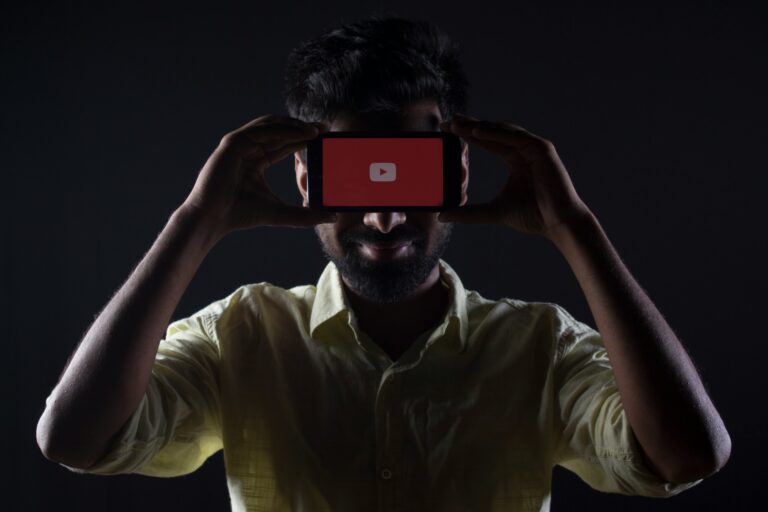
In modern times, the story has not disappeared. It appears again in films and novels. In The Matrix, for example, humans live inside a false digital world while the real world exists elsewhere. The message is simple: screens, media, and technology can create illusions that we accept as reality.
But these modern stories keep the same old idea: the problem is how we see, and freedom begins when we wake up. This is where my doubts begin.
Is it really possible for people to confuse firelight and sunlight forever? Can the human mind fail to notice the difference between two kinds of light? Or does the story imagine humans as less aware than they truly are? A more difficult question follows: Do the prisoners really choose to stay? If the door were open, and escape were possible, would they remain inside?
Psychology often explains this with Stockholm syndrome, the idea that people can feel attachment to those who control them. The prison becomes familiar and feels safe. But is this feeling permanent? Does it remain when power and fear disappear?
Maybe people do not love their prisons. Maybe they explain them because they feel unable to escape. From this view, the cave can be understood differently. The problem is not false vision, but lack of power. Awareness alone does not bring freedom. Knowledge alone does not open doors.. To escape, people need the ability to change the system itself: social rules, economic limits, and structures of power that keep the cave in place.
Historically, this cave did not appear by accident. When humans moved from gathering food to farming, they created surplus, property, and hierarchy. Belief systems changed, and social inequality became normal. Every age builds its own cave.
Seen this way, Plato’s cave is less a moral lesson and more a description of power: not hiding reality completely, but controlling how much of it people are allowed to see. Breaking such a system requires more than light. It requires rebuilding the structure itself, a task that still has no clear future…