
Survival Engineering: A Guide to Resilience in an Era of Collapse

How ‘Survival Engineering’ in Syria merges ancient earthen wisdom with open-source code to build resilience and technical sovereignty amidst economic collapse.
Word Count: ~2800 · Estimated Reading Time: 20 minutes
Survival Engineering: When Earth and Code Become Weapons Against Collapse
A deep reading into the philosophy of the Natural Engineering League: Transforming existential crises into opportunities for technical sovereignty
1. Historical Roots: When Earth was the Pillar of Civilizations
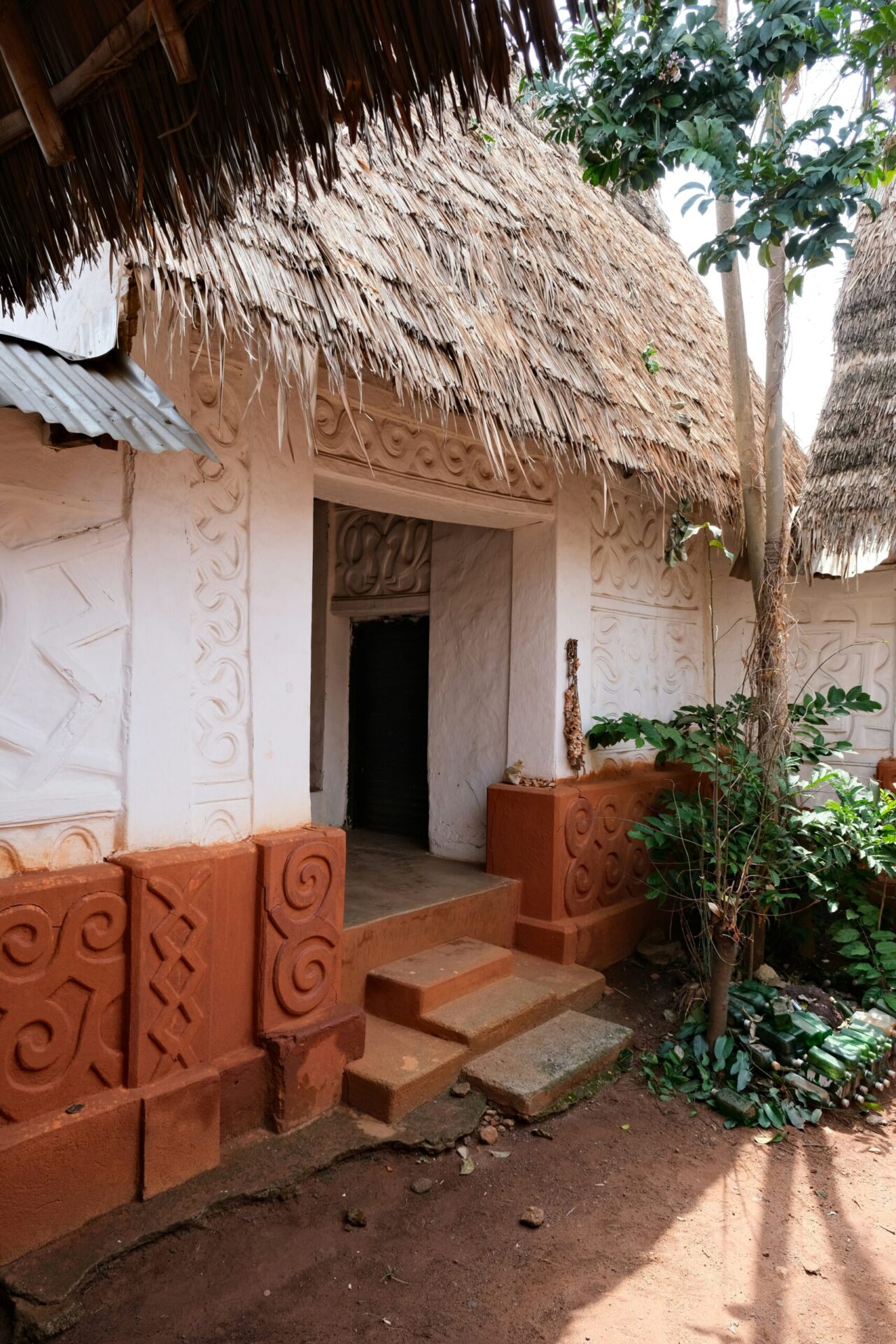
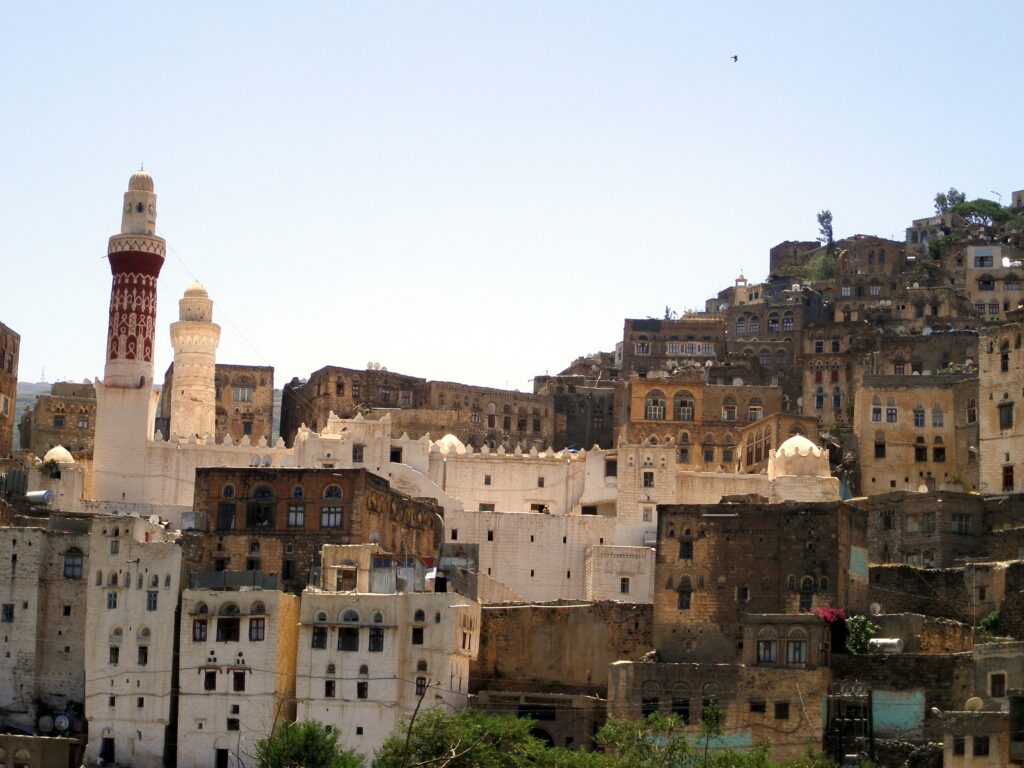
Historically, earthen and mud-based architecture was never a primary indicator of poverty or a lack of resources. On the contrary, it represented the absolute pinnacle of intelligent, harmonious adaptation to the surrounding environment. In Ancient Egypt, mud-brick granaries did not only serve their purpose but stood resilient against the passage of time for thousands of years. In Yemen, the city of “Shibam Hadramout” continues to stand tall as a testament to human ingenuity—the world’s first earthen skyscrapers, rising majestically from the desert. These historical examples are not merely aesthetic ruins for tourists to admire; they are living engineering proof that natural, raw materials possess a functional lifespan that can far exceed modern reinforced concrete if treated according to rigorous scientific foundations and proper maintenance. The modern rupture with this profound heritage was not motivated by technical failures or structural weaknesses as much as it was a direct result of a “psychology of modernization.” This psychological shift forcibly linked industrial, imported materials with social prestige and progress, while dismissing indigenous materials as symbols of backwardness.
2. Living Laboratories: The Sustainability of Necessity in Developing Societies
In societies staggering under the weight of severe economic pressures and isolation, sustainability takes on a different meaning. Looking at the pioneering experiments of architect Francis Kéré in Africa, we see how construction using local, primary materials acts as a powerful engine for holistic community development. When expensive, imported cement—which requires foreign currency and global logistics—is replaced with scientifically treated local earth, the economic dynamics change entirely. The capital allocated for construction no longer hemorrhages out of the local community to global corporations. Instead, it is redistributed locally as wages for skilled labor and as an investment in technical education and specialized small-scale industries. This “forced sustainability” is precisely what has empowered entire impoverished communities to rise and rebuild their infrastructure with dignity, without remaining held hostage to the crushing conditions of international loans or the volatility of global markets.
3. Merging High Technology with Primitive Materials: Global Experiments
On the opposite end of the spectrum, we find fascinating experiments in highly developed nations that deliberately merge “primitive” wisdom with “high-tech” precision. The Cal-Earth Institute in the United States, for instance, utilizes “Superadobe” (sandbag) technology to create structures that are not only sustainable but incredibly resistant to earthquakes and fires. These same techniques are currently being researched and simulated for potential habitats on Mars and the Moon. This is where the vital technological link appears: advanced computer simulation software is employed to analyze and model the complex behavior of soil and organic additives. By doing so, they grant these traditional, ancient materials a modern “scientific legitimacy,” allowing them to meet and even exceed the rigorous demands of international engineering codes and safety standards.
4. The Psychology of Rejection: Why do we fear the return to Earth?
The most formidable obstacles to this transition do not reside in the physical world of structural loads and soil mechanics, but rather within the “psychological barrier” of the collective consciousness. Decades of industrial marketing have successfully branded cement and steel as the exclusive hallmarks of safety, permanence, and social status. Conversely, earth and mud have been systematically associated with poverty, fragility, and the “pre-modern” past. This rejection is further institutionalized by the absence of structural guarantees. Banks, for example, often refuse to provide mortgages or financing for non-traditional buildings, and insurance companies remain largely ignorant of how to evaluate the risks associated with such structures. The modern innovative engineer, therefore, faces a challenge that is only partly structural; the true struggle is cultural—a mission to rebuild the public’s trust in the very earth they walk upon as a viable, sophisticated building material.

5. Disaster-Stricken Zones: Sustainability as the Only Path to Revival
In environments emerging from the devastation of war and systemic collapse, traditional construction methods often become physically and economically impossible. These methods are “imported” by their very nature—from the massive amounts of energy required to manufacture reinforced steel to the vast quantities of fuel needed to transport heavy materials across broken infrastructure. At this critical juncture, “Appropriate Technology” ceases to be a theoretical choice and becomes the only viable exit strategy. Engineering in these contexts must pivot; it stops being a pursuit of superficial aesthetics or global architectural trends and becomes a rigorous quest for economic feasibility, resource independence, and technical sovereignty.

6. Analysis of the Syrian Reality: The Coast as a Case Study
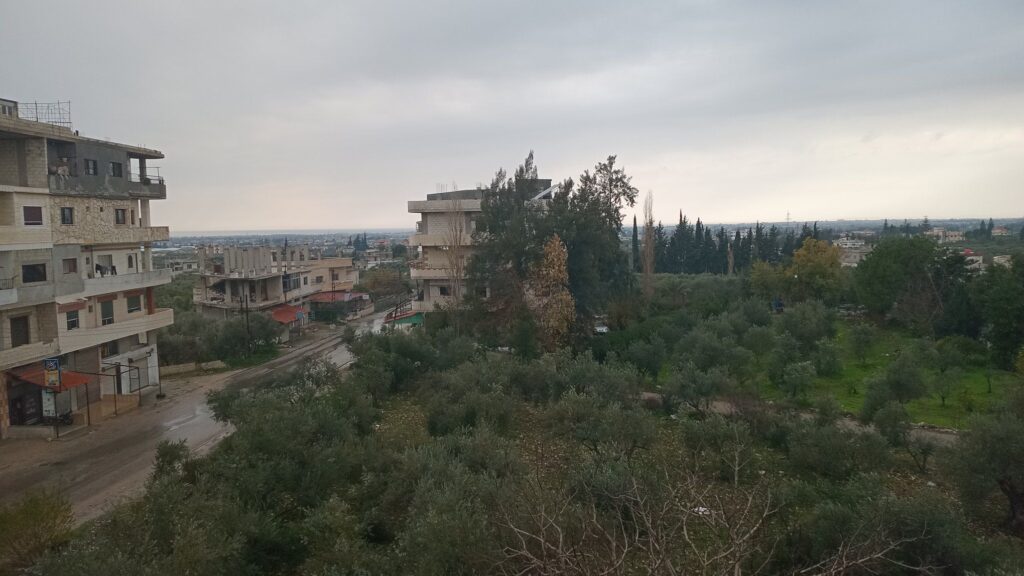
Syria today, after more than thirteen years of brutal war, faces a multifaceted and compounding reality: extreme poverty, stringent technological sanctions, and the lingering, catastrophic aftermath of a massive earthquake. On the Syrian coast, a region characterized by high humidity and significant seismic risk, the widespread use of poor-quality, substandard concrete has become a “future trap” for its inhabitants. The total collapse of local purchasing power has rendered the dream of owning a home through traditional, industrial methods an impossibility for the majority. This vacuum has paved the way for the emergence of bold engineering initiatives that look for non-traditional exits from this housing and existential deadlock.
7. The Natural Engineering Association: A Manifesto of Foundation and its Hurdles
The Natural Engineering Association stands out as a pioneering initiative attempting to “humanize” the field of engineering and localize its knowledge base. They are not merely builders; they are visionaries seeking to establish a “school” of thought that integrates the tactile wisdom of natural materials with the precision of “digital intelligence.” The hurdles they face are immense—not just technical, but deeply logistical and financial. They struggle with the daunting task of drafting a “local engineering code” for natural building in an environment where government-backed research laboratories and testing facilities are non-existent. Their mission is to institutionalize this scattered indigenous knowledge, ensuring it does not remain a collection of isolated, individual experiments that fade away with time, but rather becomes a resilient foundation for future generations.
8. The Unspoken Hardships: Market Conflict and the Infrastructure of Corruption
Beneath the sophisticated scientific discourse lie harsh, gritty, and often dangerous practical challenges. Most prominent among these is the fierce resistance from the traditional “contracting market,” which is deeply intertwined with the powerful interests of cement and steel cartels. Furthermore, any young engineer who dares to adopt these radical, cost-effective solutions finds themselves in an uphill battle against entrenched educational and syndicate systems that continue to sanctify outdated, resource-heavy industrial standards. This silent, grinding conflict—between the old guard of industrial construction and the new wave of survival engineering—is what will ultimately determine whether these sustainable ideas can transform into a mainstream movement or remain on the fringes.
9. Returning to the International Sphere: The “Revit” Dilemma and Digital Dependency
In the technical and digital dimension, engineers in crisis zones suffer from an acute form of “Software Addiction.” Powerful proprietary programs like Revit and the BIM (Building Information Modeling) methodology, despite their undeniable efficiency, have inadvertently created a generation of “UI Users” rather than “System Designers.” Engineers are often trained to operate interfaces rather than understand the underlying logic of the systems they are modeling. Furthermore, the cost of annual legal licenses for such software in a country like Syria is often equivalent to the entire operating budget of a medium-sized firm. This economic impossibility drives a culture of “Piracy,” which in turn deprives engineers of critical security updates and excludes them from the global digital community. The radical solution proposed here lies in the adoption and development of “Open Source” software, such as FreeCAD. By utilizing open-source tools, the engineer reclaims ownership of their “code” and can tailor the software to serve specific local needs and materials without being held hostage by the pricing and political whims of global corporate giants. This is digital sovereignty in its purest form.
10. Integration of Sustainability: From Basic Housing to Total Survival
The vision of the League and similar movements does not end with the structural walls of a house; it expands into a comprehensive, integrated survival ecosystem designed for impoverished and isolated environments. This holistic approach includes:
- Insects as Feed (Entomophagy Research): Implementing systems to raise specific insects to secure cheap, highly sustainable protein for domestic livestock and poultry, thereby bypassing expensive imported feeds.
- Hydrogen and Alternative Energy: Conducting promising research into small-scale hydrogen production and other decentralized energy sources to replace the scarce and expensive fossil fuels that currently cripple local productivity.
- Natural Fiber Reinforcement: Experimenting with local agricultural waste and natural fibers to reinforce earth structures and dramatically enhance thermal insulation, reducing the energy needed for heating and cooling.
11. Conclusion: Engineering for Every Human
What the dedicated members of the “Natural Engineering Association” are attempting is more than just a different way of building; it is a profound embodiment of the human struggle against scarcity and erasure. It is a bold effort to prove that true innovation does not always require massive capital investments or foreign expertise, but rather an “intellectual and technical sovereignty.” Whether this movement succeeds in completely disrupting the current market or remains a specialized niche, it has undeniably placed its finger on the global wound: humanity is in desperate need of an engineering philosophy that breathes in harmony with the earth, and digital tools that are owned by the people, not tools that own them. It is a clarion call to return to the earth—not as a grave of the past, but as the fertile cradle for a more free, resilient, and independent future.
References and additional points for research:
– The “Natural Engineering Association” page on Facebook: A technical and engineering community focused on developing simple and smart scientific solutions that lead to reducing the carbon footprint of human life through construction with natural materials, the use of renewable energies, and the optimal management of water and energy.
- – OpenBIM methodologies and digital sovereignty in engineering.
– Research on earthen architecture in seismic zones.
– The book “Qt in Arabic” and engineering software development using Python.
– Cal-Earth Institute experiments in sustainable construction.