
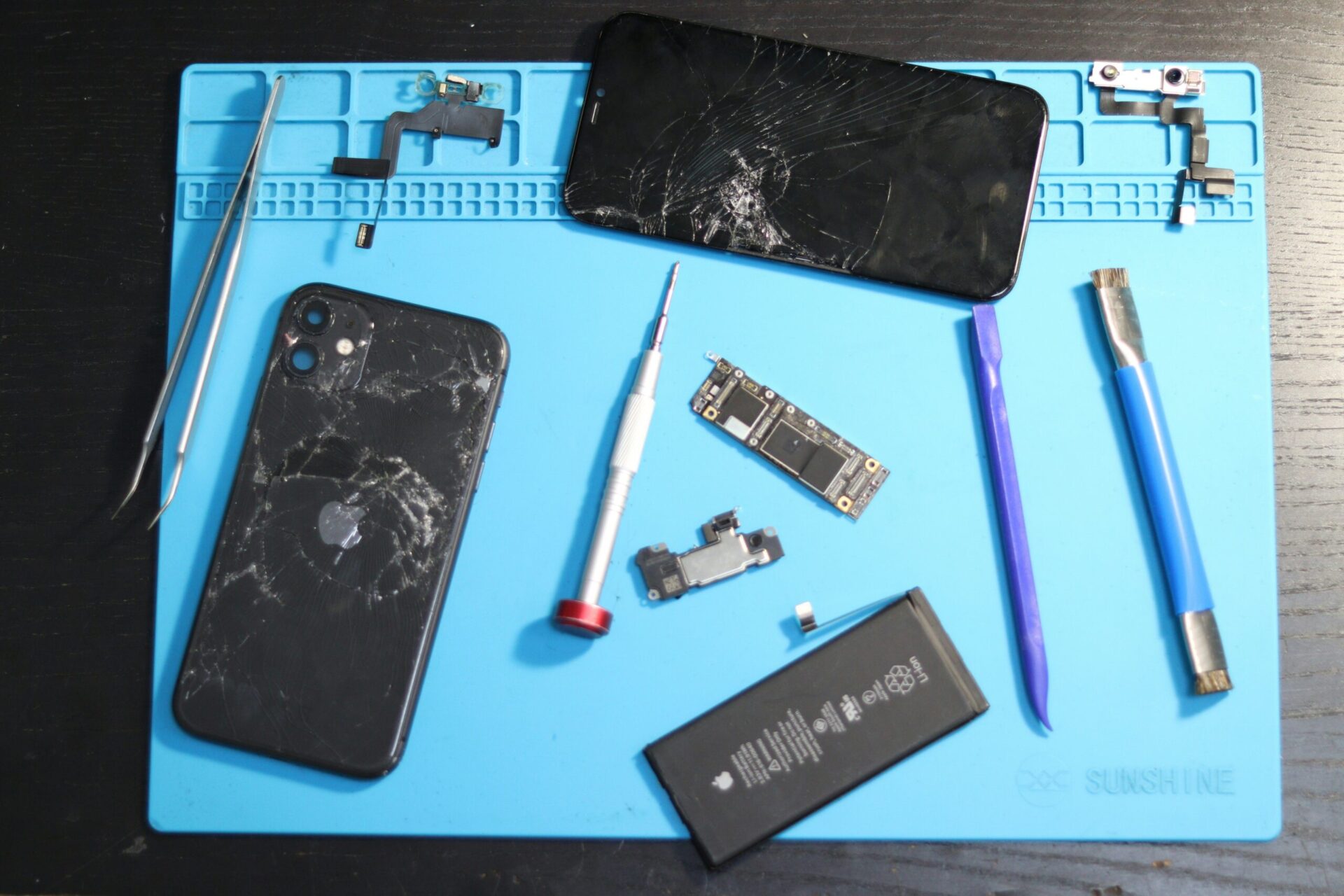
Smart Device Repair: Technical Expertise Meets Surgical Precision

Complete guide to starting a smart device repair shop. Repair phones, computers, drones. Medium investment ($300–$800), high returns, always-in-demand service.
Word Count: ~2,500 • Estimated Reading Time: 16 minutes
Smart Device Repair: Technical Expertise Meets Surgical Precision
Article 5 of the series “Crafts That Resist Automation”
Picture this: an expensive smartwatch is broken. A drone has crashed. AR glasses are damaged. A smartphone screen is shattered. Wireless earbuds aren’t working.
The owner feels hopeless. The original price might be $200. Official repair might cost $80–$120.
This is where you come in: smart device repair technician (Tech Hardware Repair). You’re not fixing software—you’re fixing physical objects.
Software evolves. Physical devices break. People will always need someone skilled to fix them.

Why Smart Device Repair Resists Automation
AI might theoretically tell you how to repair a device. It might provide written instructions. But it cannot:
- Use human hands: Opening a device carefully, unscrewing hundreds of tiny screws, replacing components the size of a grain of rice. This requires human hands and patience.
- Diagnose problems precisely: Sometimes the break isn’t obvious. The problem might be in one tiny component among hundreds. Experience knows where to look.
- Adapt to unique cases: Every device is different. Every break is different. Every repair requires different thinking.
- Provide trust: When you hand your expensive device to a skilled person and know they’ll care for it, you feel relieved.
This is the core: device repair is about manual skill, patience, and technical knowledge.
Core Principles of Smart Device Repair
1. Choose One Device Type to Specialize In First
Don’t try fixing everything. Choose:
- Smartphones: Most in demand, high repair prices
- Laptops: Very high profit margins, but more technical knowledge required
- Drones: Growing market, very high prices
- AR Glasses: Very rare specialization, sky-high prices
- Audio Devices & Speakers: Smaller devices, continuous demand
Strategy: Start with smartphones (easiest and most in demand). After 6 months, add another specialty.
2. Understand Basic Electronics
You need to understand:
- Basic electrical components: Circuits, batteries, screens, processors
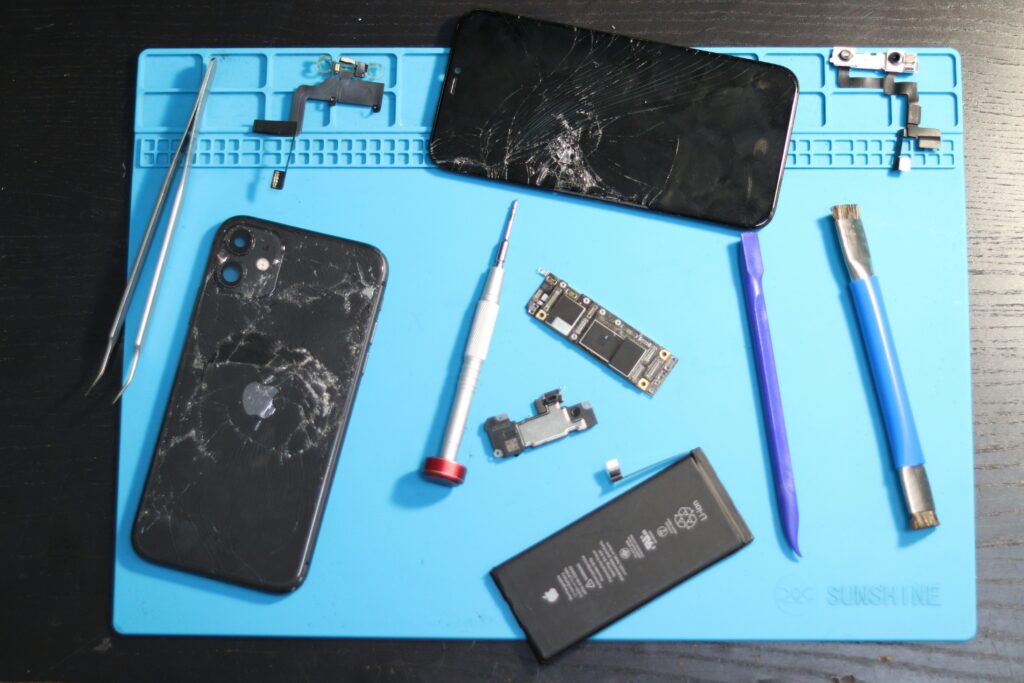
- Right tools: Tiny screwdrivers, precision tweezers, device opening tools
- Safety: How to handle lithium batteries, electrical fields
- Parts sourcing: Where to find replacement screens or original batteries?
3. Precision and Patience
Smart device repair is not quick:
- Opening the device may take 30 minutes
- Diagnosing the problem may take an hour
- The actual repair may take another hour
- Reassembly may take 30 minutes
Rushing = breaking valuable parts = losing money and reputation.
How to Start: Medium Investment
Initial Investment
| Item | Cost (USD) | Notes |
|---|---|---|
| Basic repair tools (screwdrivers, tweezers, etc.) | $80–$150 | Precision quality tools |
| Multimeter (current tester) | $15–$40 | To diagnose problems |
| Magnifier or microscope | $20–$60 | To see tiny components |
| Spare parts (screens, batteries initial stock) | $150–$300 | Initial inventory |
| Workspace (small corner) | $0 | Can be your home |
| Online training courses | $20–$80 | To deepen knowledge |
| Website/Instagram + marketing | $10–$30 | Basics |
| Total | $400–$800 | Medium investment |
Tip: Avoid huge initial investment. Start with $300–$400, then reinvest profits into additional parts.
Training and Knowledge
Watch this educational video on smartphone repair for beginners.
Learn through:
- Specialized YouTube channels: Arabic and English channels explain device repair in detail
- Online courses: Udemy and Skillshare offer specialized repair courses
- Learning by application: Start with your old phone. Kill a “dead” device first before touching a client’s
- Technical manuals: Search for “repair manuals” for your devices (available free online)
- Connect with other repairers: Many share knowledge (competition isn’t too fierce)
Can You Work Online or Do You Need a Physical Shop?
Answer: You need physical space for repairs, but marketing is online.
You need:
- Workspace: A corner of your room is enough to start
- Tools and parts: Storage in the space
- Clients coming to you: Or you visit them (initially)
But you can use the internet for:
- Marketing: Photos of your work on Instagram and TikTok
- Scheduling and booking: WhatsApp or Google Calendar
- Finding spare parts: Buying them online
- Initial consultation: Zoom or WhatsApp to understand the problem
Difference from previous ones: you need a physical space, at least a small room. But this can be a corner of your home.

Pricing Models and Income
How to Price Repairs?
Several approaches:
1. By Type of Repair (Flat Rate):
- Screen replacement (phone): $30–$60
- Battery replacement: $15–$30
- Port repair: $15–$30
- Board replacement: $80–$200
- Drone repair: $50–$150
2. By Difficulty Level:
- Easy repair (cleaning, simple replacement): $10–$20
- Medium repair (disassembly and reassembly): $30–$60
- Complex repair (deep diagnosis): $80–$150
3. By Parts Cost + Labor:
- Cost of replacement part + $10–$30 for labor
Smart strategy: Price lower than official repair (e.g., official is $60, you charge $45) but more than random repairers (who charge $30). Build reputation, then raise prices.
Monthly Income Calculation
| Scenario | Repairs/Month | Avg Price | Revenue | Profit (after parts cost) |
|---|---|---|---|---|
| Beginner | 4 repairs | $30 | $120 | $50–$70 |
| Advanced (3 months) | 12 repairs | $40 | $480 | $240–$300 |
| Professional (6–12 months) | 25 repairs | $50 | $1,250 | $600–$750 |
| Elite (full year) | 50 repairs | $60 | $3,000 | $1,500–$1,800 |
Important note: Profit depends on:
- Cost of replacement parts (varies by source)
- Your efficiency (faster = more repairs per day)
- Your reputation (better reputation = higher prices)
Common Challenges and Solutions
Challenge #1: Breaking Valuable Parts During Repair
Solution: Training and patience:
- Start with old, cheap devices (buy a broken phone from secondhand markets)
- Take your time (don’t rush)
- Use the right tools (precision screwdrivers, not regular ones)
- Follow educational videos step by step
Challenge #2: Getting Original Replacement Parts at Low Cost
Solution: Build supplier relationships:
- Find wholesale suppliers (those who sell in bulk).
- Request bulk pricing (can drop 20–40%).
- Deal with trusted suppliers (check reviews).
- Buy small quantities initially, larger as you grow.
Challenge #3: Competition from Random Repairers at Low Prices
Solution: Differentiate with quality and reputation:
- Warranty: Give a 30-day warranty on repairs (increases trust dramatically).
- Speed: Focus on being fast and quality (“Same-day repair”).
- Before/after photos: Show your work results.
- Reviews: Ask satisfied clients for Google reviews.
How to Build Strong Reputation
- Product warranty: 30-day warranty on all repairs increases trust by 300%.
- Service speed: Advertise “same-day” or “24-hour” for most repairs.
- Before/after photos: Keep a photo of each repair. Display on Instagram.
- Client testimonials: Ask satisfied clients for written reviews.
- Transparency: Tell clients the repair price before you start work.
- Specialization: Advertise specialization (“We specialize in iPhone repairs”).
When Do You Reach Profitability?
- Week 1: You may not get any clients (no income).
- Month 1: 2–4 repairs ($50–$100 profit).
- Months 2–3: Growth from referrals ($150–$250 profit).
- Month 6: With good reputation ($400–$600 profit).
Device repair reaches profitability slower than consulting, but long-term profits are much higher.
First Steps: How to Start
- Learn on an old device first: Buy a broken phone secondhand, practice before touching a client’s.
- Choose one type: Commit to iPhone or Samsung repairs—don’t try everything.
- Gather repair tools: Start with just $300–$400.
- Offer service to friends at lower price: Goal: get reviews and experience.
- Expand slowly: Add another device type after 3 months.
- After 6 months, open a small shop: Small corner in a busy neighborhood.
— Crafts That Resist Automation Series —
Previous Article: Expert Consultation: Transform Your Personal Experience into Professional Service
Next Article: Restoration and Upcycling: A Craft That Revives Memories and Builds Profit
🔄 Currency Converter
⚠️ Note: Exchange rates are approximate and may differ from actual market rates. Please verify current exchange rates before conducting real financial transactions.
Complete Series
Crafts That Resist Automation — Nine Articles








Series Crafts That Resist Automation — Nine Articles | Zy Yazan