Restoration and Upcycling: A Craft That Revives Memories and Builds Profit

Complete guide to starting an antique restoration and upcycling business. Restore old furniture and resell. Medium-high investment, very high returns, craft and passion.
Word Count: ~2,500 • Estimated Reading Time: 16 minutes
Restoration and Upcycling: A Craft That Revives Memories and Builds Profit
Article 6 of the series “Crafts That Resist Automation”
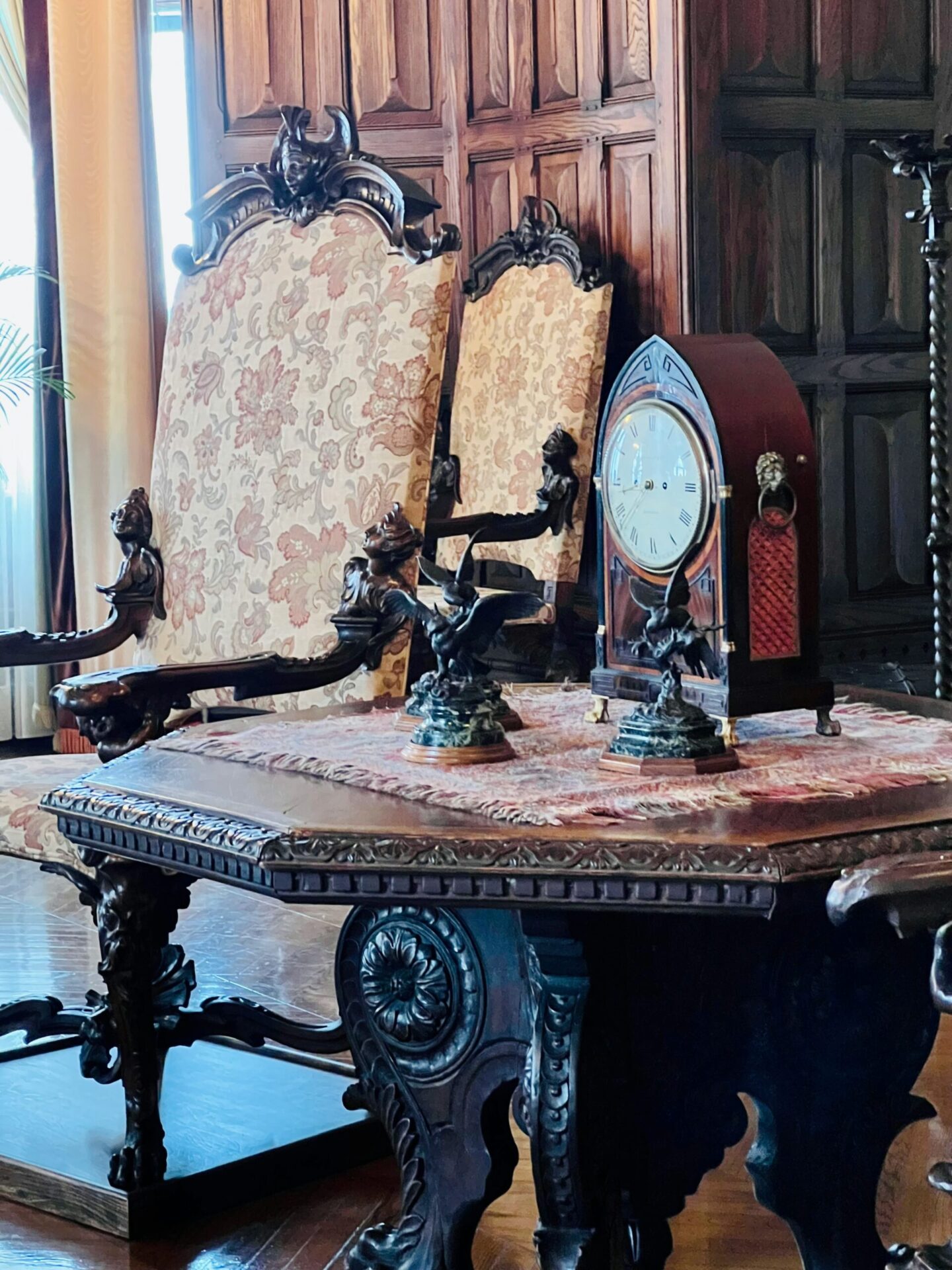
Picture this: someone has an old chair they inherited from their grandfather. The chair is broken, stuffing is coming out, wood has cracks. But this chair holds memories. Grandpa sat on it for 50 years.
The person doesn’t want to throw it away. But doesn’t know anyone who can fix it.
This is where you come in: antique restoration and upcycling specialist (Restoration & Upcycling). You’re not selling new goods—you’re bringing old things back to life.
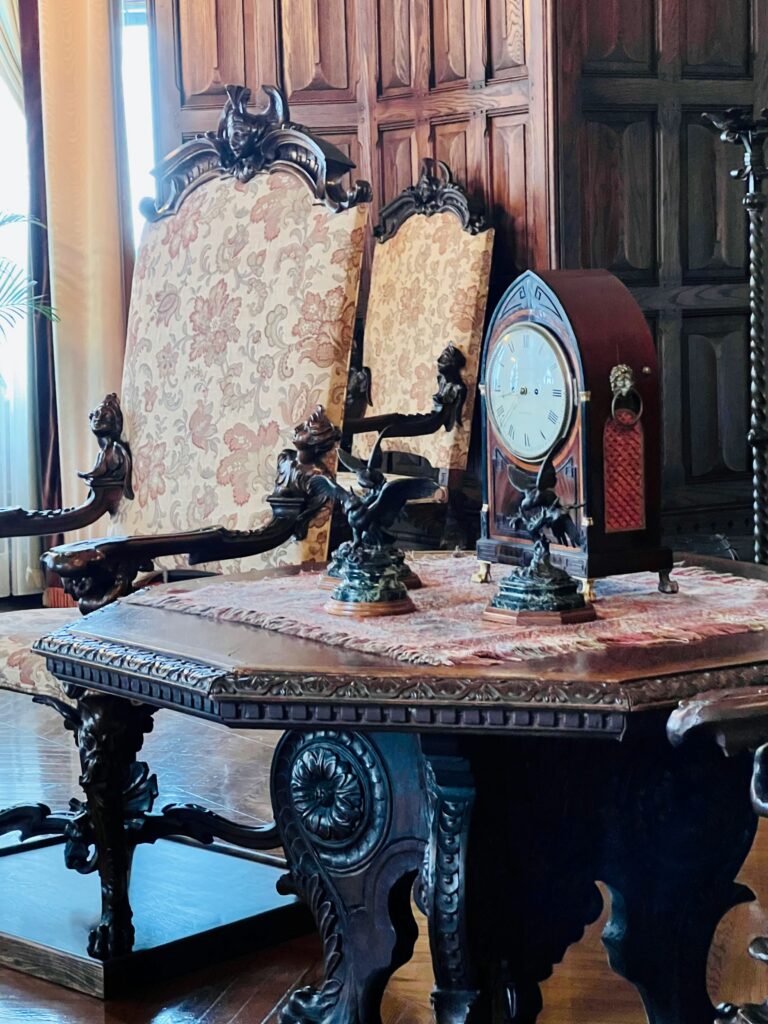
Antiques aren’t just rare historical artifacts. Antiques are anything old and vintage with emotional or historical value. An old chair, wooden table, vintage mirror, old picture frame. All of these are antiques.

Why Antique Restoration Resists Automation
AI might theoretically tell you how to restore something old. It might give general advice. But it cannot:
- Use human hands: Sanding wood, repainting, fixing ornaments. This requires high manual craftsmanship.
- Understand emotional value: This chair isn’t just “furniture.” It’s a family memory. A robot doesn’t understand memories.
- Choose the right restoration approach: Do you replace broken parts? Or preserve the original? Update the appearance or keep authenticity? These decisions require human judgment.
- Preserve historical value: When you restore an old piece incorrectly, you may lose its value. Experience preserves value.
This is the core: antique restoration is about craftsmanship, nostalgia, and wisdom.
Core Principles of Antique Restoration
1. Understand Different Types of Antiques
Antiques aren’t one category. There are:
- Wooden furniture: Chairs, tables, dressers (most in demand)
- Metals and iron: Old frames, locks, decorations
- Ceramics and glass: Old dishes, vases, mirrors
- Leather and fabric: Old couches, vintage bags
- Clocks and machinery: Antique watches, music boxes
Strategy: Focus on one type initially. Wooden furniture is the most popular and in demand.
2. Distinguish Between Restoration and Upcycling
Very important to understand the difference:
- Restoration: Returning to original. The old chair returns as it was initially.
- Upcycling: Enhancing the piece. You might change the color or shape, but increase value.
Clients differ: some want original restoration (emotional), others want beautiful updates (practical).
3. Knowledge of Materials and Techniques
You need to understand:
- Types of wood: Pine, mahogany, oak (each needs different treatment)
- Old paints: Some are toxic (lead). Need special handling
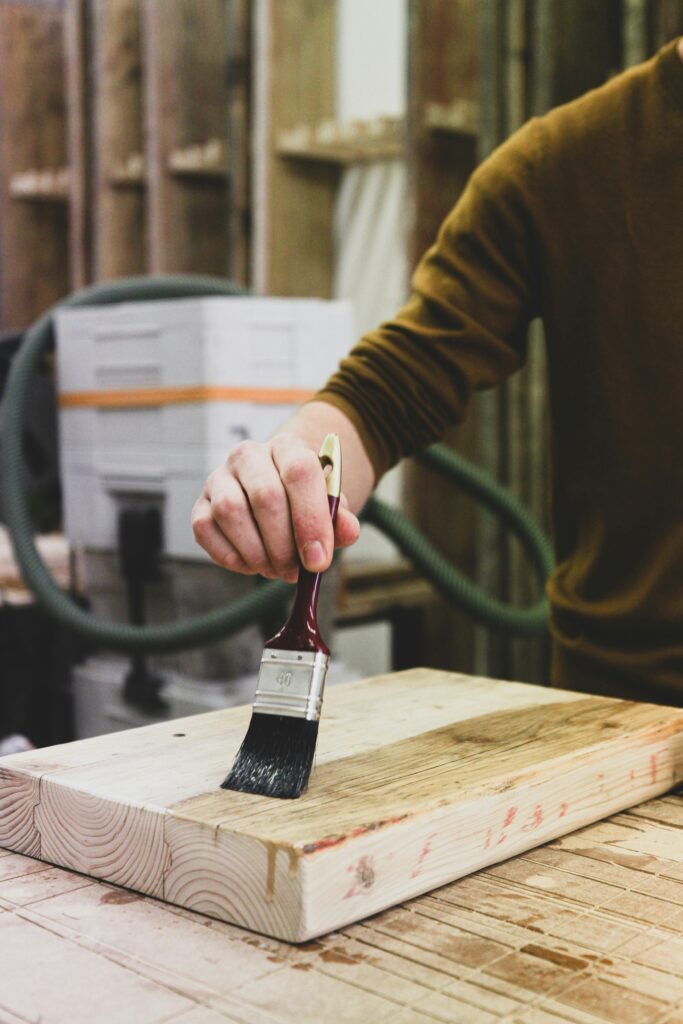
- Restoration techniques: Sanding, filling, repainting, wax coating
- Original materials: Where to find old screws, or original stuffing?
How to Start: Medium-High Investment
Initial Investment
| Item | Cost (USD) | Notes |
|---|---|---|
| Sanding and cutting tools (sandpaper, saw, etc.) | $80–$150 | High-quality tools |
| Restoration materials (paints, wax, glue) | $100–$200 | Initial inventory |
| Brushes and safety equipment | $30–$60 | Safety gear |
| Workshop space (small studio) | $50–$150/month | Rent or shared space |
| First antique pieces (to work on) | $50–$150 | Buy from secondhand markets |
| Specialized training courses | $50–$150 | Wood restoration courses |
| Website/Instagram + marketing | $20–$50 | Basics |
| Total | $400–$1,000 | Medium-high investment |
Tip: Invest half in workshop space and the rest in tools and materials.
Training and Knowledge
Watch this educational video on antique furniture restoration.
Learn through:
- Specialized YouTube channels: Channels focused on restoration
- Online courses: Udemy and Skillshare have advanced courses
- Learn on old pieces: Buy cheap antique furniture from markets and work on it
- Connect with other restorers: Many share tips and tricks
- Read specialized references: Books about antique furniture restoration
Can You Work Online?
Answer: No, you need a fairly large physical workshop.
You need:
- Large workspace: To store furniture and work on it
- Good ventilation: Paints and chemicals need fresh air
- Tools and resources: Raw materials and hand tools
- Clients visiting to select pieces: Or seeing photos then visiting
But you can use the internet for:
- Marketing: Before/after photos on Instagram and Facebook (this content attracts millions of views)
- Online sales: OLX and Facebook Marketplace to sell restored pieces
- Custom orders: Clients ship you their old furniture via delivery
- Sourcing materials: Buy tools and replacement parts online
Difference: you need a larger workshop than previous ones. But marketing and sales can be global via internet.
Pricing Models and Income
How to Price Restoration?
Several approaches:
1. By Type of Piece and Work:
- Simple chair (sanding + paint): $30–$60
- Large wooden table: $80–$150
- Complex restoration (inlay, stuffing, details): $150–$300
- Rare antique pieces: $300+ per piece
2. Buy cheap old pieces and flip them for profit:
- Old chair (buy for $20): invest $40–$60 in restoration, sell for $150–$200
- Old table (buy for $30): invest $50–$80, sell for $200–$300
Best strategy: Combine both approaches:
- 50% income from client restoration (service for a fee)
- 50% income from buying cheap old pieces, restoring, and selling for higher price
Monthly Income Calculation
| Scenario | Pieces/Month | Avg Price | Revenue | Profit (after costs) |
|---|---|---|---|---|
| Beginner | 2–3 pieces | $100 | $200–$300 | $80–$150 |
| Advanced (3 months) | 6–8 pieces | $120 | $720–$960 | $350–$450 |
| Professional (6–12 months) | 15 pieces | $150 | $2,250 | $1,000–$1,200 |
| Elite (full year) | 30 pieces | $180 | $5,400 | $2,500–$3,000 |
Important note: Profit depends on:
- Purchase price of old pieces (the cheaper, the higher profit margin)
- Quality of restoration (high-quality restoration = higher selling price)
- Your efficiency (the faster, the more pieces per month)
Common Challenges and Solutions
Challenge #1: Old Paint May Be Toxic
Solution: Safe handling:
- Assume any old paint may contain lead
- Use protective gear (masks, gloves, glasses)
- Work in a well-ventilated space
- Handle paint removal carefully and safely
Challenge #2: Understanding Antique Value
Solution: Education and experience:
- Study the antique market (what furniture is in demand now?)
- Learn to identify wood types and time periods
- Consult museums or experts
- Don’t ruin a rare old piece with poor restoration
Challenge #3: Competition from Dealers and Hunters
Solution: Focus on quality and story:
- Before/after photos: Best marketing tool. Show the complete transformation.
- Tell the story: Where did this piece come from? How old is it? Why is it special?
- Specialize in a period: “We specialize in 1960s furniture” or “Colonial-era pieces.”
- Build community: Antique lovers love connecting with people sharing the passion.
How to Build Strong Reputation
- Professional before/after photos: Your strongest marketing. Display 20–30 restored pieces.
- Process videos: Film the restoration process from start to finish (people love watching transformations).
- Piece stories: For each furniture, tell its story. Where did it come from? Age? Significance?
- Happy clients: Ask each client for a photo with the piece after delivery.
- Deep specialization: Become expert in a time period or style.
When Do You Reach Profitability?
- Week 1: You may not get clients yet (workshop setup only).
- Month 1: 1–2 restored pieces ($80–$150 profit).
- Months 2–3: Growth from referrals and marketing ($200–$300 profit).
- Month 6: With built reputation ($500–$700 profit).
Restoration is slower reaching profitability than previous ones, but the margin (difference between cost and price) is the highest.
First Steps: How to Start
- Choose one furniture type: Chairs or tables—go deep into it.
- Buy old pieces from secondhand markets: Start with 3–5 cheap pieces.
- Restore one piece carefully: Take your time. Learning beats speed.
- Post photos on Instagram: After restoring 5 pieces, start marketing.
- Search for clients through referrals: Ask friends to share your photos.
- Open a small workshop: After 6 months of success, rent a larger space.
- Expand to other furniture types: Once you master one type.
— Crafts That Resist Automation Series —
Previous Article: Smart Device Repair: Technical Expertise Meets Surgical Precision
Next Article: Hybrid Crafts: Ceramics, Jewelry, and Artistic Craftsmanship
🔄 Currency Converter
⚠️ Note: Exchange rates are approximate and may differ from actual market rates. Please verify current exchange rates before conducting real financial transactions.
Complete Series
Crafts That Resist Automation — Nine Articles


Series Crafts That Resist Automation — Nine Articles | Zy Yazan