
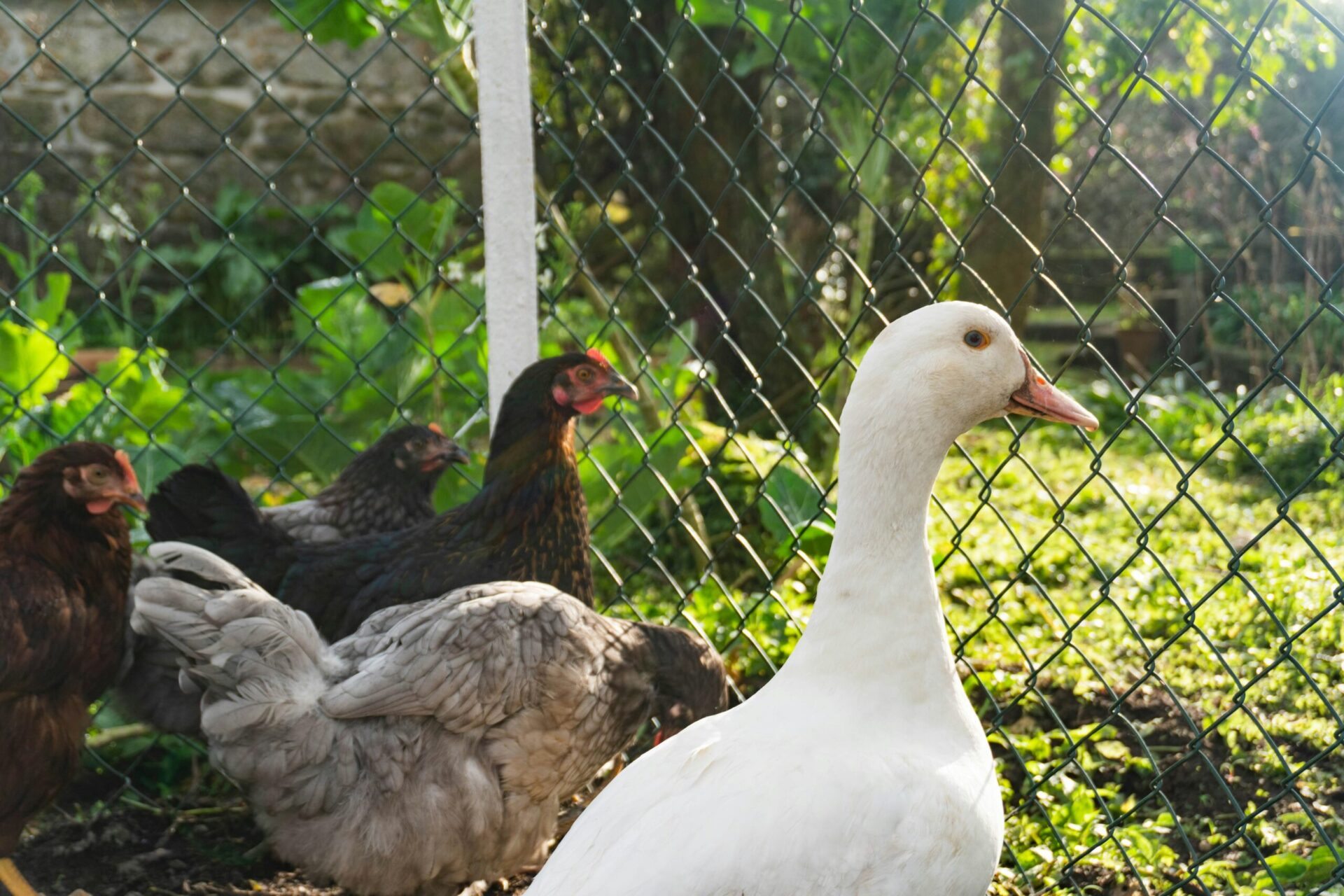
Backyard Poultry Farming: Chickens, Rabbits, Geese – Daily Eggs and Regular Income

Learn to raise chickens, rabbits, and geese at home on minimal budget. Practical project generating daily eggs and steady monthly income with under $50 investment.
Backyard Poultry: Daily Eggs and Meat on Minimal Investment
Article 2 of 12 in the Ultra-Small Projects Series | Survival Economy
We are always looking for projects that provide regular income and healthy food simultaneously. Backyard poultry farming delivers both efficiently. You don’t need vast land, and you don’t need expensive commercial feed if you’re smart about using local resources. Every animal generates direct daily or weekly returns.
Why Poultry Works in Low-Income Regions
Poultry—chickens, rabbits, and geese—deliver fast returns. Hens start laying eggs within 4-5 months. Does (female rabbits) reproduce every two months. Geese lay eggs consistently and year-round. All this with minimal feed costs if you use kitchen scraps and local plants.
Demand for eggs and meat is local and stable. Egg and meat prices don’t fluctuate wildly. And if you don’t sell, you have healthy food for your family.
Required Resources (Very Low Investment)
Everything you need:
- Space: A yard corner, rooftop, even a spare room. No vast acreage required.
- Enclosure: Old wooden crate, used wire cage, even a metal drum. Focus on ventilation and predator protection.
- Animals: One chicken costs $2-5. One rabbit $3-8. One goose $4-10.
- Feed: Kitchen scraps (vegetable peels, grain leftovers), local herbs, insects. No commercial feed required.
- Water: Any simple container works.
- Bedding: Dry leaves, sawdust, straw. Nearly free.
Part One: Chickens
Layer Chickens (for Eggs)
For consistent daily income, layer hens are ideal.
What You Need:
- 3-5 hens (females only; no roosters if neighbors are close).
- Simple coop 1m × 1m fits 3 hens.
- Nesting boxes for egg-laying.
- Small water trough.
Production and Income:
- Laying age: Hens start laying at 4-5 months; productive for 2-3 years.
- Output: One hen lays 250-300 eggs annually = roughly one egg daily.
- Three hens: 750-900 eggs yearly = 2-3 eggs daily.
- Income: Eggs locally cost $0.10-0.20 each. From 3 hens: $75-180 annually.
- Bonus: Chicken manure (natural fertilizer) sells to vegetable farmers.
Feeding:
Layers eat little. Daily ration: handful of grain + vegetable scraps + fresh greens + insects (they find these themselves if given space). No processed feed needed.

Broiler Chickens (for Meat)
For faster, larger income, broilers are the choice.
What You Need:
- 10-20 chicks (buy day-old chicks at $0.50-1 each).
- Simple pen or even a hanging mesh bag.
- Mild warmth in early weeks (regular bulb suffices).
Production and Income:
- Timeline: Chick to market-ready chicken: 6-8 weeks only.
- Weight: Full bird weighs 2-3 kg.
- Price: One chicken sells for $5-8.
- From 15 chicks: Initial investment $7-15; return $75-120 after 8 weeks.
- Profit: $60-110 per 8-week cycle.
Feeding:
Broilers eat more than layers but grow fast. Grain, vegetable scraps, any local protein source (worms, insects, fish scraps). Commercial feed accelerates growth but isn’t essential.
Part Two: Rabbits
Rabbits are more feed-efficient than chickens and occupy less space.

What You Need:
- One buck (male) and one doe (female).
- Simple hutch 80cm × 60cm fits a pair.
- Nesting box for births.
Production:
- Gestation: Doe pregnant 31 days; births 6-10 kits.
- Frequency: After weaning (4-5 weeks), she can breed again. That’s 4-5 litters annually per doe.
- From one doe: 24-50 rabbits annually for sale.
- Price: $3-8 per rabbit (varies by size and market).
- Annual income: $70-400 from a single doe.
Feeding:
Rabbits eat less than chickens. Diet: fresh grass, carrots, lettuce, hay. Even household vegetable waste sustains them. No commercial feed needed.
Part Three: Geese
Geese are less common but highly profitable. They need water (even a small pond) and grass.
What You Need:
- 2-3 geese (at least one female and one male).
- Small water container or even a large barrel.
- Space to graze (yard or small garden).
Production:
- Eggs: Goose lays 30-50 eggs annually. Goose egg sells at $0.30-0.50 (premium over chicken eggs).
- Meat: Grown gosling weighs 4-5 kg; sells for $20-40.
- Feathers and down: Goose down stuffs pillows and sells at $50-100 per kg.
- Annual income: From one goose: $150-300 combining eggs, meat, and feathers.
Feeding:
Geese forage themselves. They eat grass and insects. Minimal supplemental feed needed—just clean water and access to a swimming area.
Combining All Three: An Integrated Project
Instead of choosing one, raise all three:
- 3-5 layer hens: Daily eggs + $20-30 monthly.
- One buck + two does (rabbits): Meat monthly + $50-100 monthly.
- Two geese: Regular eggs + annual meat + $30-50 monthly.
- Total: $100-180 monthly from just $30-50 initial investment.

Expected Profits and Income
Starting with:
- 5 layer hens: Investment $10-15. Monthly income $50-75.
- 1 buck + 1 doe: Investment $5-10. Monthly income $40-80.
- 2 geese: Investment $10-15. Monthly income $30-50.
- Total investment: $25-40.
- Monthly income: $120-200.
- Return on investment: Under one month.
Income grows over time. Chickens, rabbits, and geese reproduce. In one year, you can double your livestock assets.
Marketing and Sales
Selling is straightforward:
- Eggs: Sell at local markets, to neighbors, or to cafes.
- Meat: Sell fresh-killed to family and neighbors.
- Live animals: Sell to people wanting to raise their own.
- Manure: Sell poultry droppings as fertilizer to farmers.
Common Challenges and Solutions
Challenge 1: Predators (Foxes, Dogs, Birds of Prey)
Solution: Keep coop elevated or surrounded by sturdy fencing. Use strong wire mesh. Let animals free-range only during daytime under supervision.
Challenge 2: Disease Outbreaks
Prevention: Keep housing clean. Change bedding regularly. Isolate sick animals. Source from healthy breeders only.
Challenge 3: Winter Feed Shortage
Solution: Dry and store herbs from summer. Plant winter crops in the yard (cabbage, carrots). Increase kitchen scrap usage.
Challenge 4: Declining Production Over Time
Cause: Aging birds produce less. Rabbit inbreeding (mating close relatives) produces weak offspring.
Solution: Replace chickens every 2-3 years. Introduce new bloodlines (males from other sources) to prevent inbreeding problems.
Gradual Expansion
After initial success:
- Scale up numbers: From 5 hens to 20. From one pair of rabbits to 5 pairs.
- Add new species: Ducks (goose-like but smaller and easier), turkeys.
- Improve infrastructure: Build better coops from profits. Enhance ventilation and water systems.
- Process products: Sell roasted chicken, prepared meat, boiled eggs at premium prices.
Online Growth Opportunities (Once Established)
Once the project stabilizes, internet expansion becomes possible. Post product photos on social media, take WhatsApp orders, deliver locally. But start with direct local sales—no additional costs, quick cash flow, reliable demand.
Moving to Reality
Everything above is a general framework. Actual practices vary by climate and available resources. Chickens in hot regions need better ventilation and more water than the same breeds in cool areas. Rabbits in high humidity require superior housing to avoid disease; in dry climates, they need frequent water access.
Sourcing animals from trusted local breeders matters more than following theory. Your market may have locally-adapted breeds that thrive better than imported varieties. Talk to local farmers, ask about best-performing breeds in your region, learn their feeding and health methods.
Daily care and clean housing matter more than fancy bloodlines. A clean pen daily, fresh water, varied diet—this is the foundation. Successful small projects are built on consistent daily attention, not grand plans.
Getting Started with Backyard Chickens for Beginners
Bottom Line
Poultry farming converts small yard space into daily income. Investment is minimal; returns are fast. Your money comes back in less than a month.
Start with a rabbit pair and a few hens. Learn from experience. Each successful small project builds your confidence and opens new doors.
This is survival economics: using what you have, starting where you are now.
— Ultra-Small Projects Series | Survival Economy —
Previous Article: 1 – Oyster Mushroom Farming
Current Article: 2 – Backyard Poultry
Next Article: 3 – Simple Dairy Products
Similar series: Crafts that Resist Automation
References and Resources:
- FAO Guidelines on Small-Scale Poultry Production (Food and Agriculture Organization)
- Traditional backyard farming and animal husbandry practices
- Local market pricing for eggs, meat, and livestock
Survival Economy | Micro-businesses
Your Practical Guide to Self-Sufficiency — 12 Articles


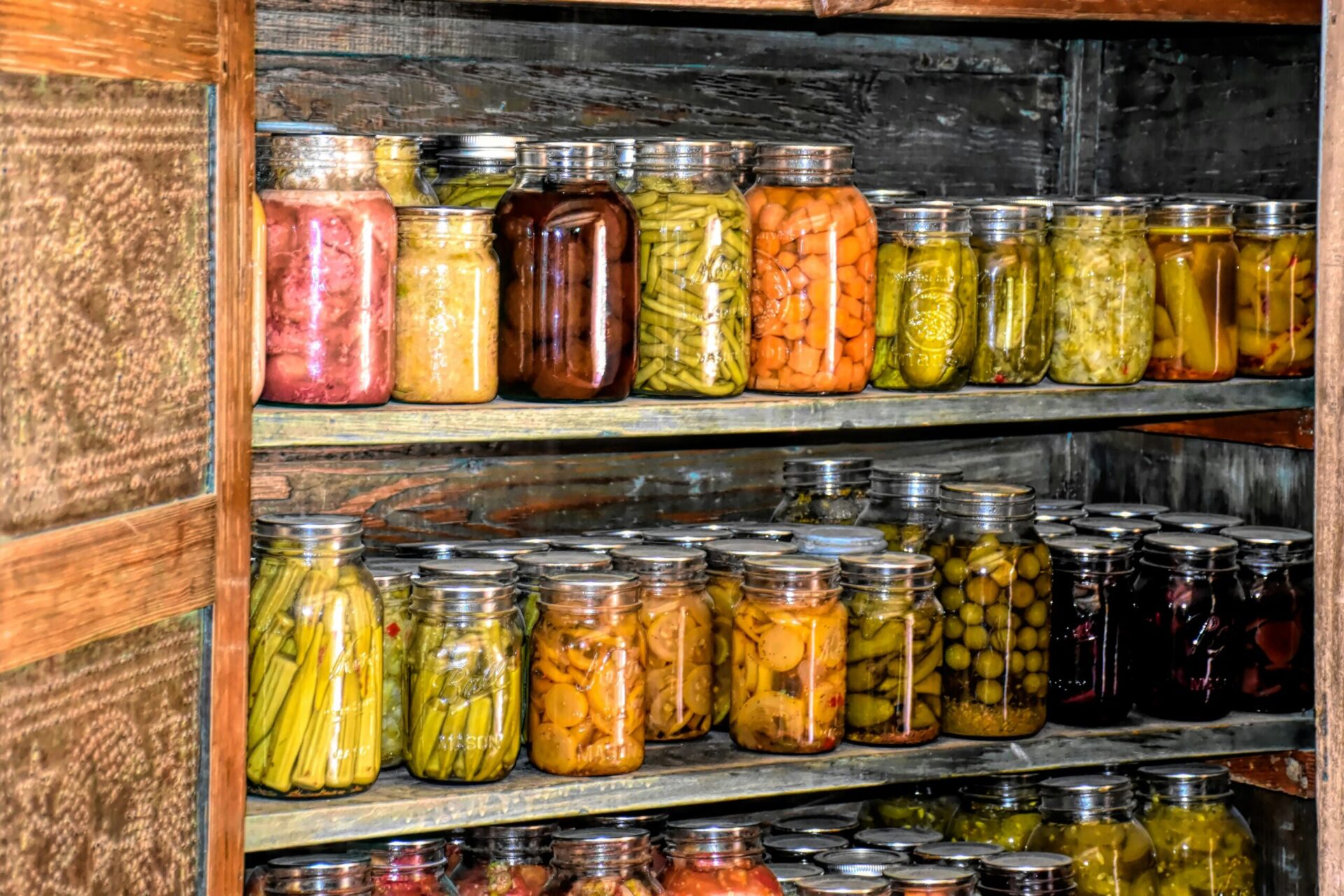


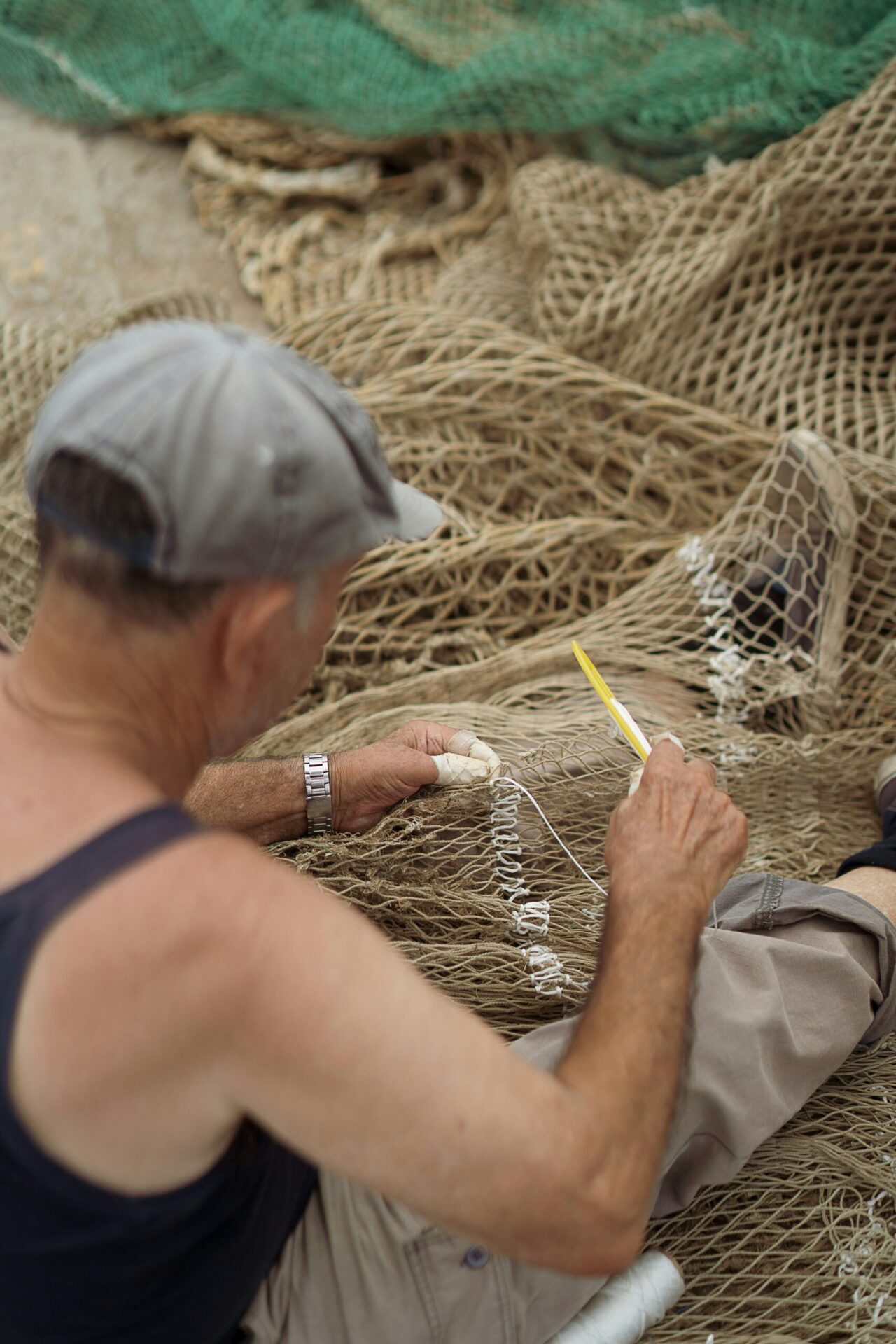
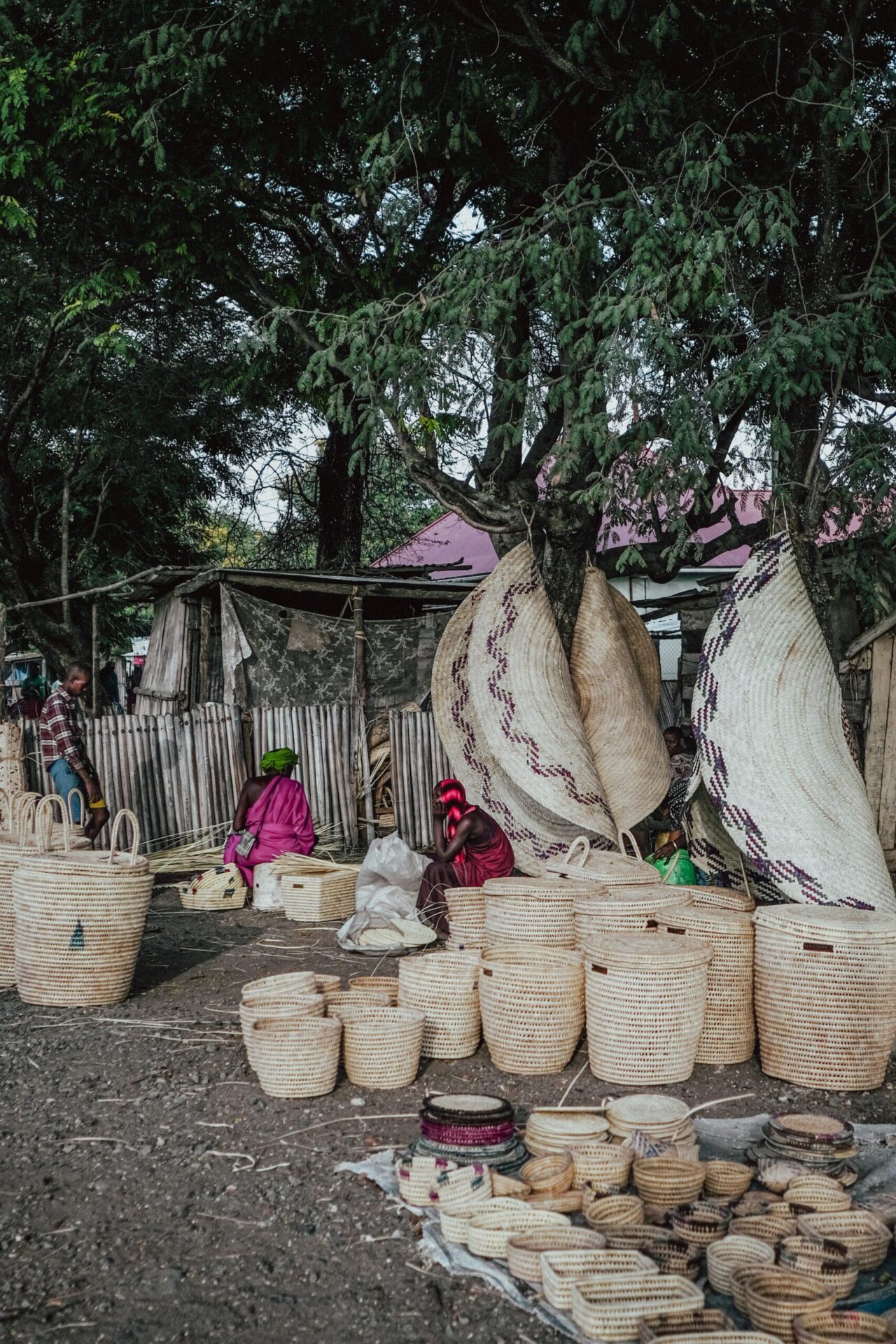


Series Survival Economy | Micro-businesses — 12 Articles | Zy Yazan