

Knitting and Textiles: Income from Needles and Yarn

Learn knitting and crochet and start earning. Hand-knitted products sell for $40-100 each with $500+ monthly income from simple needles and yarn.
Knitting and Crochet: Income from Needles and Yarn
Article 5 of 12 in the Ultra-Small Projects Series | Survival Economy
We search for simple manual skills generating steady income. Knitting and crochet are ancient crafts requiring no advanced equipment. Only needles, yarn, and patience. Most importantly: hand-knitted clothing commands premium prices. A simple sweater sells for $30-50. A scarf for $10-20.
Why Knitting Is Profitable
Knitting transforms cheap yarn into high-value products. Yarn costs $1-2 per skein, but finished garments sell for $20-50. The difference is your handiwork.
Demand for hand-knitted clothing is high. People prefer natural, warm, handmade garments. Custom pieces (specific colors, designs) don’t exist in shops—you create them.
Required Resources (Very Low Investment)
Everything you need:
- Needles and hooks: A pair of knitting needles or crochet hook costs $1-3. You buy once, use for years.
- Yarn: Wool or cotton. Costs $1-3 per skein (varies by type and weight).
- Work space: Any comfortable room. No special workshop needed.
- Time: The craft requires patience and practice, but rewards justify effort.
Part One: Hand Knitting
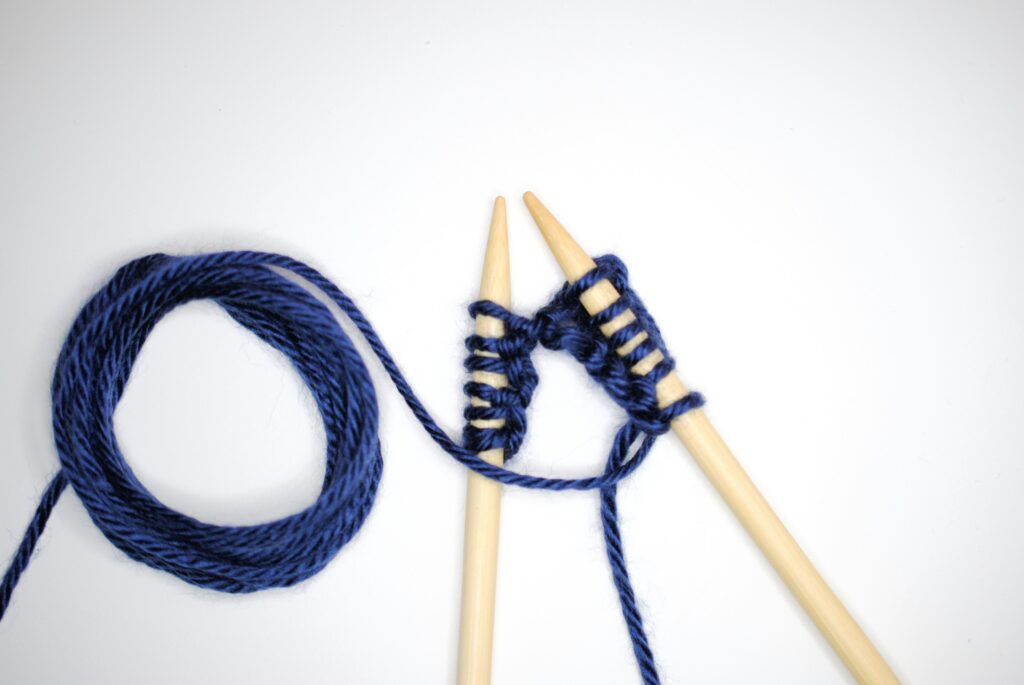
Traditional knitting with needles. Easiest for beginners, extremely high demand.
Basic Products:
- Scarves and shawls: Simplest project using basic stitches only.
- Gloves and socks: Small but highly profitable.
- Sweaters and cardigans: Complex but commands much higher prices.
- Blankets and throws: Large projects but strong demand.
Basic Learning Steps:
Step 1: Master Basic Stitches
All knitting starts with two stitches: Knit Stitch and Purl Stitch. Learn these two = you’ve mastered 80% of the craft.
Step 2: Start Simple Project
Begin with a straight scarf: cast on stitches, knit rows straight until desired length. No complex patterns or calculations needed.
Step 3: Finish Properly
When reaching length, bind off stitches correctly. Scarf ready to sell.
Productivity and Income:
- Simple scarf: 4-8 hours work. Yarn cost $2-3. Sells for $10-20.
- Pair of gloves: 3-4 hours. Cost $1.50. Sells for $8-15.
- Simple sweater: 20-30 hours. Cost $8-12. Sells for $30-60.
- Small blanket: 40-50 hours. Cost $15-20. Sells for $50-100.
Example Daily Income:
- Working 8 hours daily on scarves: 2 scarves daily.
- Daily income: $20-40.
- Monthly income: $600-1200.
Part Two: Crochet
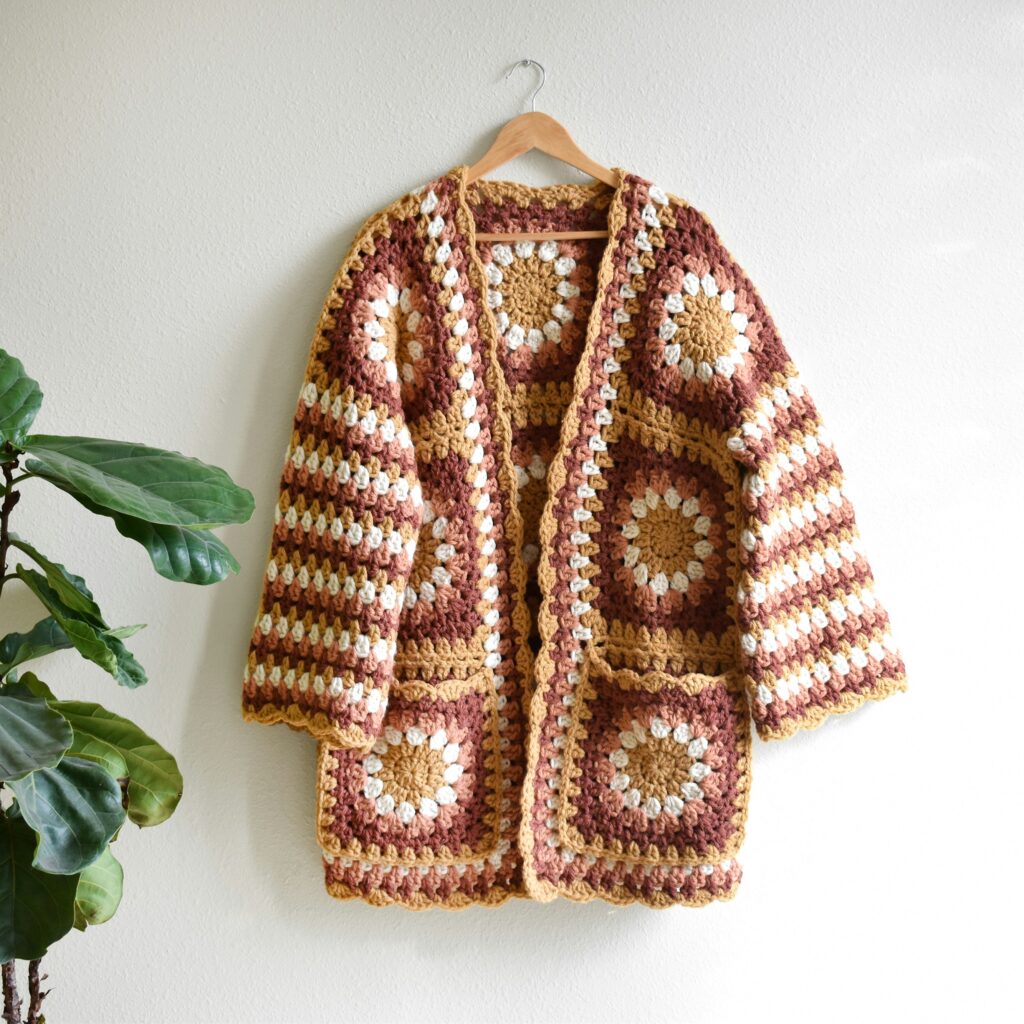
Crochet resembles knitting but uses one hook instead of two needles. Easier to learn and faster to produce.
Advantages:
- Faster than knitting: Same project completes quicker with crochet.
- Easier to fix: Mistakes are simpler to correct.
- More design options: Crochet allows more complex patterns (like lace).
Products:
- Scarves and shawls.
- Light sweaters and tops.
- Blankets and lace.
- Decorative items and doilies.
- Bags and accessories.
Productivity and Income:
- Crochet scarf: 2-4 hours. Sells for $12-25.
- Crochet sweater: 15-20 hours. Sells for $40-80.
- Decorative lace: Small product but strong demand. Sells for $20-40.
Part Three: Combining Both Methods
Use both techniques together:
- Knit main body, add crochet details.
- Mix techniques for unique texture or design.
- This increases value and uniqueness.
Pricing and Marketing
How to Price Products:
- Price = yarn cost + (hourly rate × hours worked)
- Example: scarf with $2 yarn, 6 hours work, $5/hour rate = $2 + (5×6) = $32.
- But local markets may pay $15-25. Solution: start lower, raise as demand grows.
Where to Sell:
- Craft markets and fairs: Craft bazaars and exhibitions.
- Shops and boutiques: Clothing stores may buy in quantity.
- Friends and family: First customers.
- Custom orders: People request specific colors and designs (premium pricing).
- Gifts and occasions: Weddings and celebrations need handmade gifts.
Expected Profits and Income
Practical example:
- One week (40 hours):
- 5 simple scarves × $15 = $75.
- 3 pairs gloves × $10 = $30.
- 1 simple sweater × $40 = $40.
- Weekly income: $145.
- Monthly income: $580 (40 hours weekly).
- Monthly yarn cost: $30-40.
- Net profit: $540-550 monthly.
Note: With experience, you work faster, producing more in same time, increasing income.
Common Challenges and Solutions
Challenge 1: Mistakes and Wrong Stitches
Solution: Learn from errors. Every beginner makes mistakes. The answer is practice. After 10 projects, you’ll be faster and more accurate.
Challenge 2: Yarn Fraying or Dropped Stitches
Cause: Weak yarn or incorrect technique.
Solution: Use quality yarn. Learn correct technique (many YouTube videos available).
Challenge 3: Boredom from Repetition
Solution: Vary projects. Knit scarves one day, crochet the next. Use different colors. Creativity keeps you engaged.
Challenge 4: Slow Production
Solution: Practice and speed come with time. Start slow; you’ll naturally work faster.
Gradual Expansion
After mastering basics:
- Complex designs: From simple scarves to sweaters with intricate patterns.
- Premium yarn: High-quality yarn = higher prices.
- Specialization: For example: specialize in “winter wear” or “children’s clothing.”
- Unique pieces: Custom designs become your brand.
- Bulk orders: Companies may buy large quantities for resale.
Online Growth Opportunities (Once Established)
Once stable, use internet to build larger customer base. Beautiful product photos, stories behind pieces, short knitting videos (short-form videos are extremely popular). Hand-knitted garments have huge online audiences, especially among young people.
Moving to Reality
Knitting and crochet seem simple in instructions, but reality requires practice. Learning basic stitches may take hours. Knitting evenly takes tens of projects. Don’t be ashamed of slow progress initially.
Yarn selection matters greatly. Cheap yarn may be weak and break. Quality yarn may cost more but delivers better results. Start with medium-grade yarn and learn the difference.
Colors matter for sales. Seasonal colors work best. Winter brings warm colors; summer brings light colors. Follow local fashion trends slightly without losing focus on quality and basics.
Learn Knitting and Crochet for Beginners
Bottom Line
Knitting and crochet are among history’s oldest, most beautiful, and profitable crafts. A simple skill transforms cheap yarn into expensive garments. Requires no large capital, only patience and practice.
Start with simple scarves. Learn from mistakes. Progress to sweaters and complex designs. Each piece you create makes you better.
This is true survival economics: converting your time and creativity into products people need.
— Ultra-Small Projects Series | Survival Economy —
Previous Article: 4 – Traditional Fermentation and Preservation
Current Article: 5 – Knitting and Textile Crafts
Next Article: 6 – Charcoal and Fuel Production
Similar series: Crafts that Resist Automation
References and Resources:
- Traditional knitting and crochet techniques across cultures
- Yarn selection and fiber properties for different projects
- Local market demand for handmade textiles
Survival Economy | Micro-businesses
Your Practical Guide to Self-Sufficiency — 12 Articles



Series Survival Economy | Micro-businesses — 12 Articles | Zy Yazan