
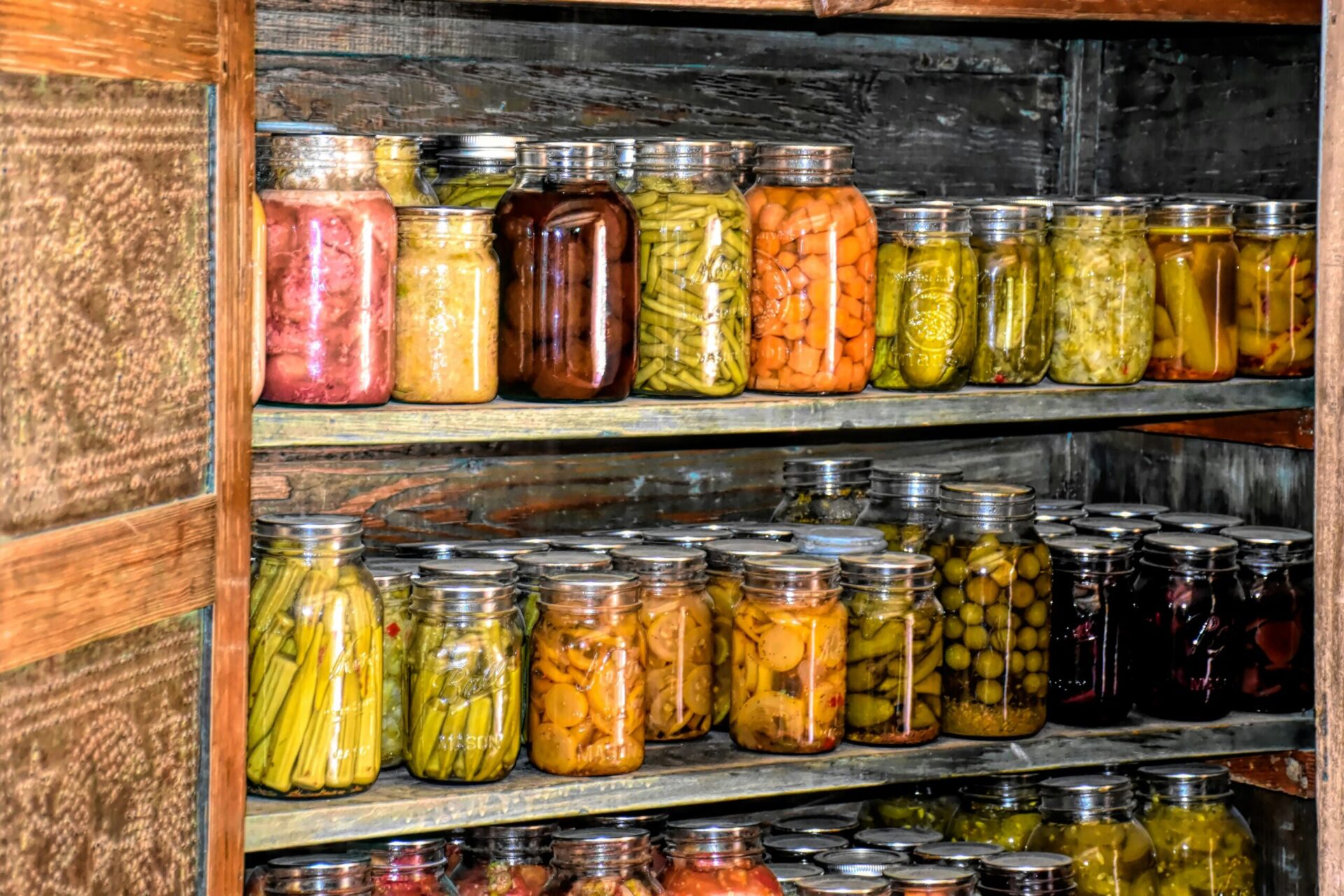
Traditional Fermentation and Preservation: Pickles, Sauces, and Herbal Oils

Learn traditional fermentation to make pickles, sauces, and herbal oils. Simple project turning vegetable scraps into $300+ monthly income with low investment.
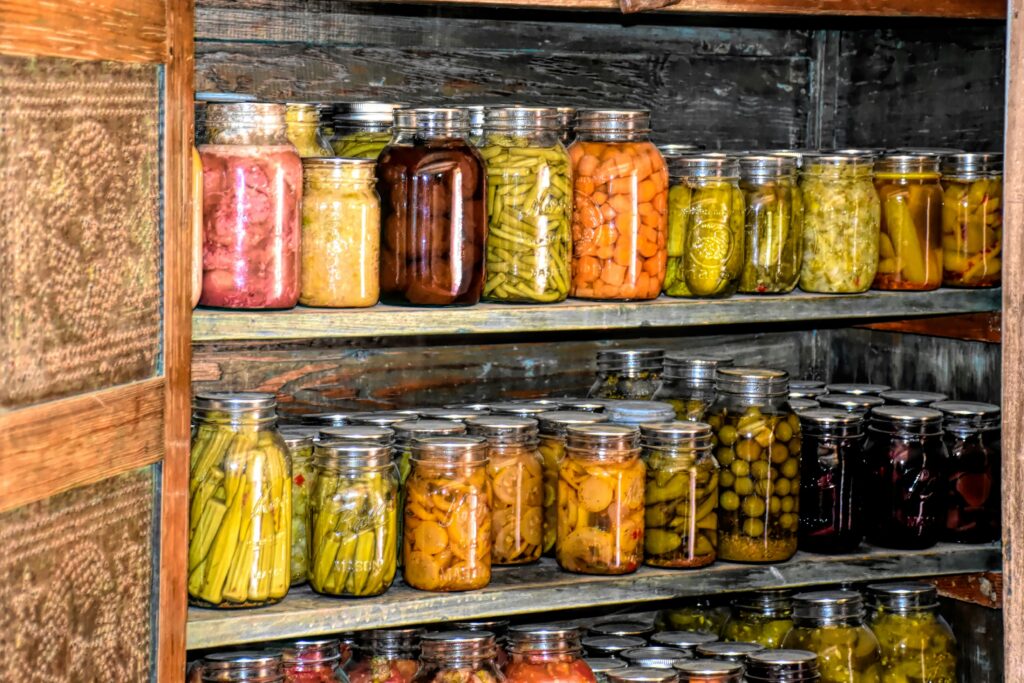
Fermentation and Preservation: Pickles, Sauces, and Oils from Scraps
Article 4 of 12 in the Ultra-Small Projects Series | Survival Economy
We search for ways to transform vegetable and fruit scraps into profitable products. Traditional fermentation and preservation is humanity’s oldest food preservation method. No modern technology needed—just salt, water, glass, and patience. Most importantly: vegetables you’d normally discard become pickles and sauces that sell at premium prices.
Why Fermentation Is Highly Profitable
Fermentation transforms cheap or rejected produce (slightly old vegetables, overripe fruit) into sought-after, expensive products. Pickled vegetables sell for $5-10 per jar. Tomato paste for $8-15 per kg. Herbal oils for $20-30 per liter.
These products keep for months without refrigeration. No storage or spoilage problems. You can produce slowly and sell gradually over extended periods.
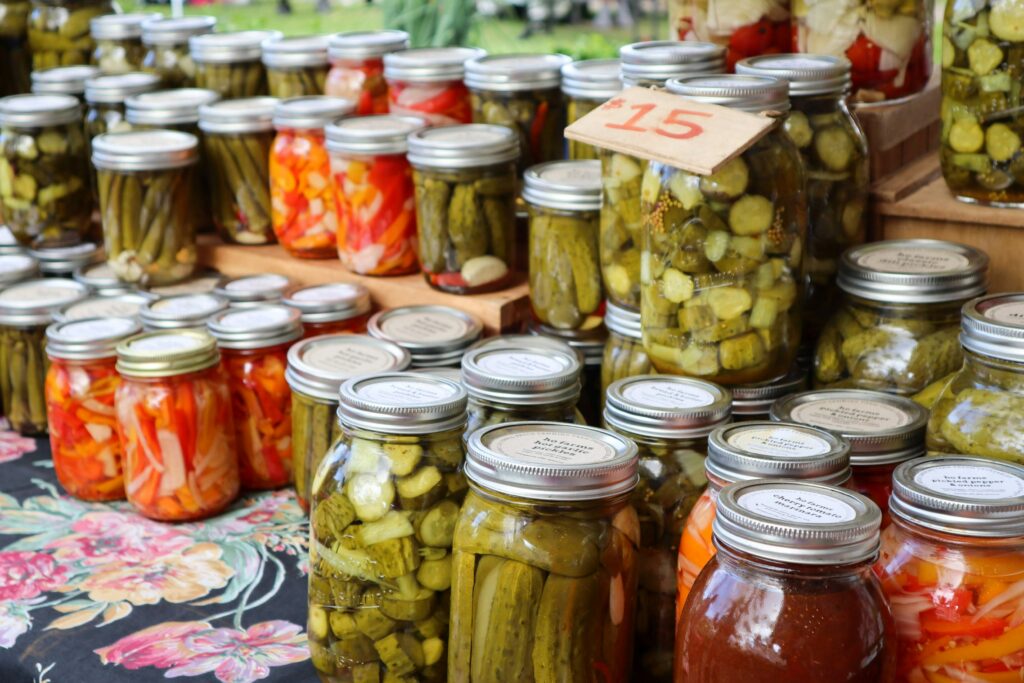
Required Resources (Very Low Investment)
Everything you need:
- Vegetables and fruit: Use what’s locally available or market rejects (very cheap).
- Salt: Regular salt (essential for fermentation).
- Water: Ordinary water suffices.
- Glass: Old glass jars or empty containers (nearly free).
- Herbs and spices: Local varieties (garlic, peppers, mint, thyme, etc.).
- Oil (optional): Local oil (olive or any available).
- Cool, dark space: Any room without direct sunlight.
Part One: Simple Pickles
Easiest fermentation product. From vegetables to finished pickles in just one week.
Resources:
- Cucumbers, carrots, or peppers (any available vegetable).
- Salt (approximately 5% by weight of vegetables).
- Water.
- Garlic, hot pepper, and mint (optional but increases value).
- Glass jar.
Steps:
Step 1: Prepare and Cut
Wash vegetables in clean water. Cut into uniform pieces (finger-length for cucumbers, sticks for carrots).
Step 2: Prepare Salt Brine
Mix salt with water at ratio of 1 tablespoon salt per 1 liter water. Add garlic, peppers, and herbs to the brine.
Step 3: Fill and Seal
Place vegetables in jar. Pour brine until completely submerged. Ensure all vegetables are underwater (air spoils them). Seal jar.
Step 4: Wait and Ferment
Leave jar in cool, dark place for 7-14 days. You’ll notice bubbles rising (sign of fermentation). White layer may appear on surface (normal; remove if you prefer).
Step 5: Taste and Sell
After one week, taste the pickles. If satisfied, they’re ready to sell. For stronger flavor, wait another week.
Yield and Income:
- From 5 kg vegetables: Approximately 5 liters pickles.
- Vegetable cost: Very cheap or free market rejects ($0.50 for 5kg).
- Brine and jar cost: Approximately $1.
- Total cost: $1.50.
- Selling price: Pickles sell for $5-10 per liter (or $1-2 per small jar).
- Profit: From $1.50 investment, sell for $25-50 = profit of $23-48 per batch.
Part Two: Tomato and Fruit Pastes
Sauces and jams. Stable products with extremely high demand.
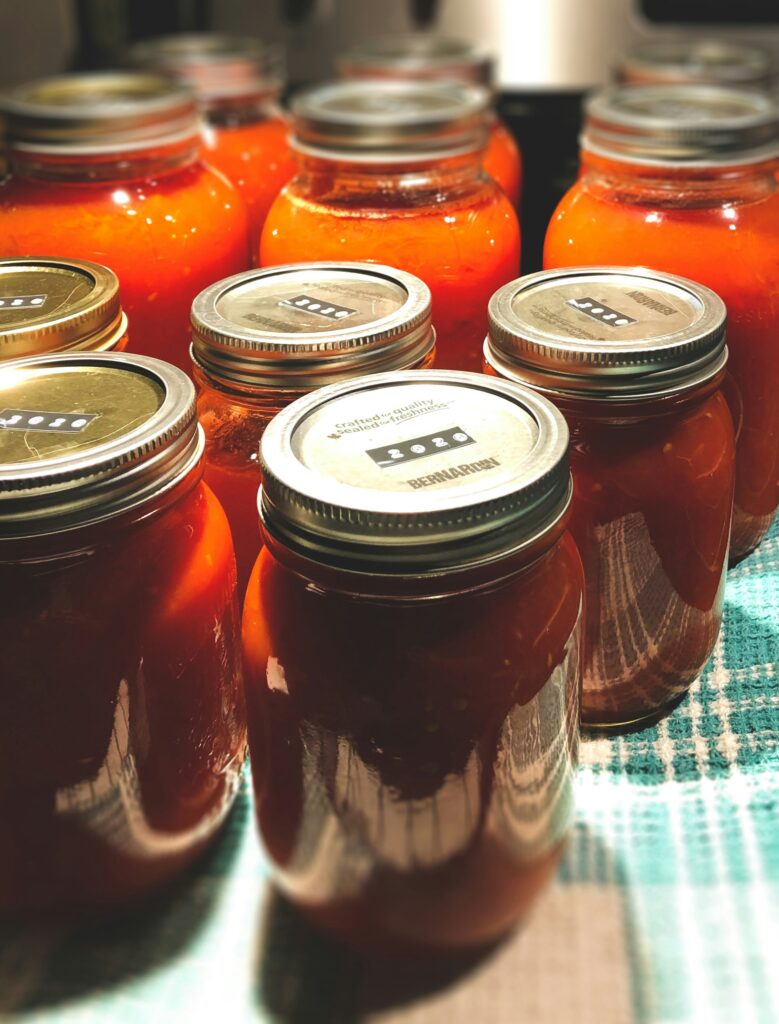
Resources:
- Ripe or overripe tomatoes or fruit.
- Salt and sugar (small quantities).
- Spices (garlic, peppers, thyme, or preferred flavors).
- Glass jars.
Steps (Tomato Sauce Example):
Step 1: Clean and Cook
Wash tomatoes. Place in pot on medium heat. Cook 30-45 minutes until thick sauce. Add garlic and spices while cooking.
Step 2: Strain (Optional)
For smooth sauce, strain out seeds. For chunky, leave as is.
Step 3: Season and Salt
Add salt and small amount of sugar to taste. Test flavor.
Step 4: Fill and Cool
Pour sauce into jars while still slightly warm. Seal. Let jars cool completely before storage.
Yield and Income:
- From 10 kg tomatoes: Approximately 5-6 liters sauce.
- Tomato cost: $1-2 for 10kg overripe fruit.
- Brine and jar cost: $2.
- Total cost: $3-4.
- Selling price: Tomato sauce sells for $8-15 per kg (or $2-3 per small jar).
- From 5 liters (approximately 5kg): $40-75.
- Profit: $36-71 from $3-4 investment.
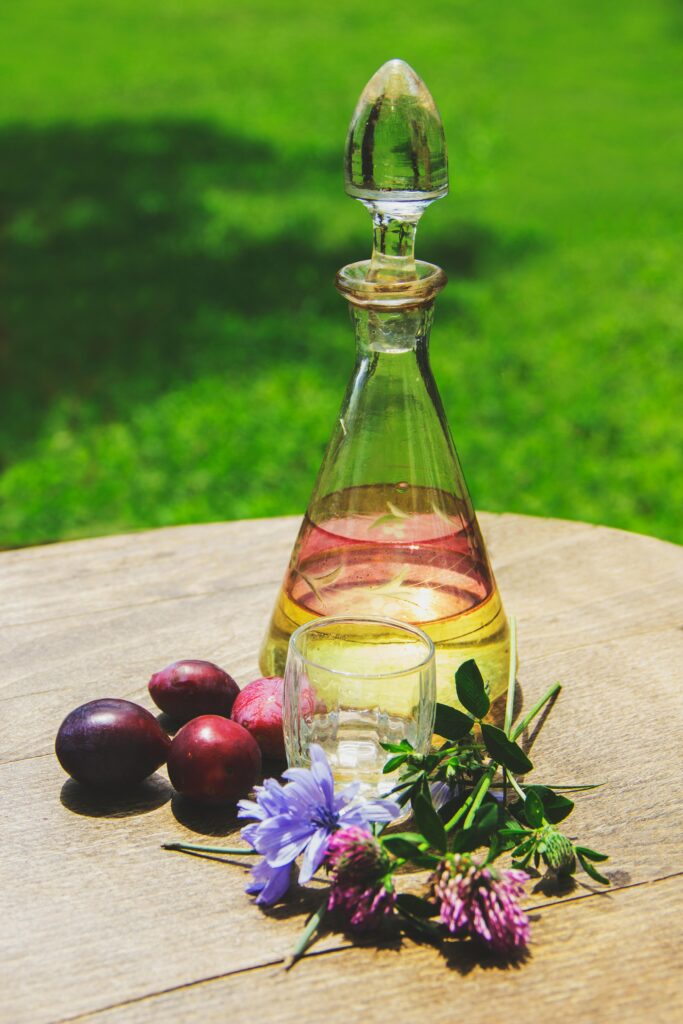
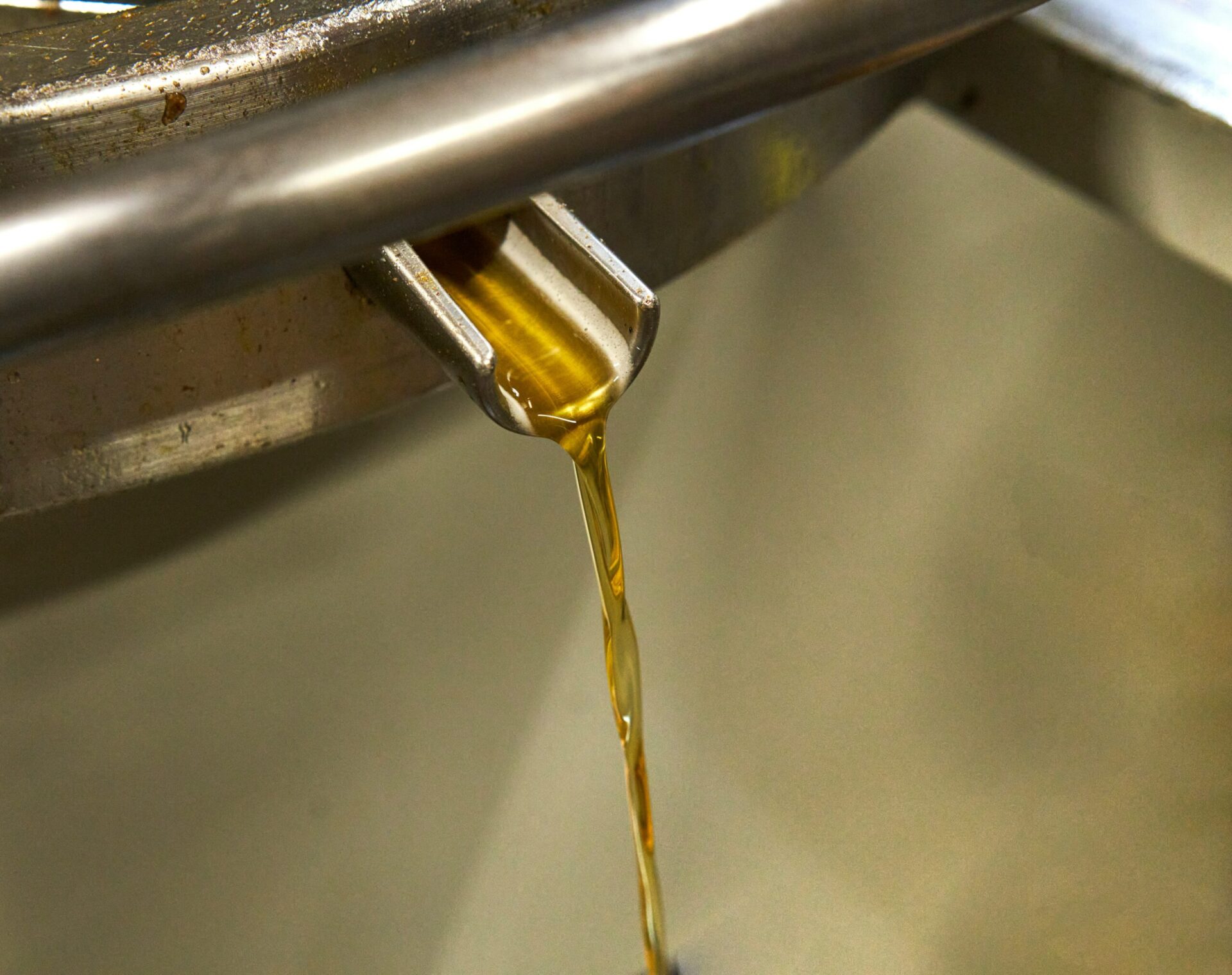
Part Three: Herbal and Spiced Oils
Premium product, remarkably simple. Oil infused with fresh or dried herbs. High demand and expensive.
Resources:
- Oil (olive or any locally available oil).
- Fresh or dried herbs (mint, thyme, rosemary, peppers).
- Garlic.
- Small glass jars.
Steps:
Step 1: Prepare Herbs
If using fresh herbs, wash and dry completely. If dried, ensure completely dry (moisture causes mold).
Step 2: Fill
Place herbs and garlic in jar. Pour oil until completely covered.
Step 3: Store
Seal jar. Place in cool, dark location for 1-2 weeks. Oil absorbs herb flavor gradually.
Step 4: Sell
After two weeks, oil is ready. Begin selling the jars.
Yield and Income:
- From 1 liter oil: Fill 4-5 small jars (250ml each).
- Oil cost: $5-10 per liter.
- Herbs and jar cost: $2-3.
- Total cost: $7-13 per liter.
- Selling price: Herbal oil sells for $20-40 per liter (or $5-10 per small 250ml jar).
- Profit: From $13 investment, sell for $25-40 = profit of $12-27 per liter.
Part Four: Fermented Vinegar (Optional – Advanced)
Vinegar made from fruit or vegetables. Premium product with strong demand among certain markets.
Basic Concept:
- Begins like pickle fermentation but extends for weeks or months.
- Results in vinegar with fresh, natural flavor.
- From very cheap fruit (pomegranate, apples, grapes), make vinegar selling for $15-30 per liter.
- Challenge: requires long aging and careful attention, but profits justify effort.
Combining All Four Products: An Integrated Project
Starting with 50 kg vegetables and fruit monthly:
- Pickles: 10 kg = $50 income.
- Sauces: 20 kg = $100 income.
- Herbal oils: 10 liters = $150 income.
- Total monthly investment: $15-20 (only jars and salt).
- Total monthly income: $300 (more with vinegar).
Marketing and Sales
Fermentation products have strong market appeal:
- Local markets: Direct sales at markets or weekly bazaars.
- Restaurants and cafes: Regular purchases of pickles and sauces.
- Health food and gourmet shops: Prefer “natural” and “local,” paying premium prices.
- Friends and family: First customers.
- Gifts: Fermented products make beautiful, valuable gifts.
Expected Profits and Income
Practical example:
- One week of production:
- Pickles (one batch): 5 liters = $25-50.
- Sauce (one batch): 5 liters = $40-75.
- Oils (one batch): 2 liters = $40-80.
- Weekly total: $105-205.
- Monthly (4 weeks): $420-820.
- Monthly investment: $15-20 only.
Common Challenges and Solutions
Challenge 1: White Mold on Surface
Cause: Vegetables exposed to air or high humidity.
Solution: Ensure all vegetables stay submerged in brine. If mold appears, remove with clean spoon (contents below are usually safe).
Challenge 2: Foul Odor (Like Rotten Eggs)
Cause: Bad bacteria or insufficient salt.
Solution: Use more salt. Ensure jar is clean before use. Avoid using overly spoiled vegetables.
Challenge 3: Vegetables Stay Soft Instead of Crispy
Cause: Temperature too high or vegetables too old.
Solution: Use fresh vegetables. Store in cool location.
Challenge 4: Pickles Too Salty
Cause: Excessive salt amount.
Solution: Reduce salt in next batches. Remember: 5% salt (1 tablespoon per liter) usually suffices.
Gradual Expansion
After initial success:
- Scale production: From 50 kg to 200 kg monthly.
- Add new flavors: Different pickle varieties, multiple sauce types.
- Improve packaging: Beautiful containers and professional labels.
- Build brand: Name, logo, and story behind products.
- Advance to fermented vinegar: Premium product that doubles profits.
Online Growth Opportunities (Once Established)
Once stable, use social media to build brand identity. Beautiful product photos, story of preserving tradition, WhatsApp orders. Artisanal local products have strong online audiences, especially among youth and expatriates.
Moving to Reality
Fermentation isn’t just chemistry—it’s an art. Every climate and region requires small adjustments. Summer vegetables ferment faster than winter ones. Local herbs may require different fermentation times. Hard water affects fermentation differently than soft water.
Don’t fear experimentation. Local farmers working in preservation are your best advisors. Ask them: how many days do you ferment pickles? Do you use specific salt? How do you handle problems when they arise?
Consistency in quality matters more than quantity. If you start with 5kg and achieve perfect results, stick with 5kg until you master the process completely. Successful projects are built on quality first, then scale.
How to Make Pickles and Sauces at Home the Traditional Way
Bottom Line
Fermentation and preservation are among history’s oldest trades and most profitable. Transform vegetable scraps into premium products. Investment under $20 monthly yields $300-500 income.
Start with pickles. Add sauces. Then oils. Each new product raises income and diversifies offerings.
This is true economic heritage: using what you have, preserving what you make.
— Ultra-Small Projects Series | Survival Economy —
Previous Article: 3 – Simple Dairy Products
Current Article: 4 – Traditional Fermentation and Preservation
Next Article: 5 – Knitting and Textiles
Similar series: Crafts that Resist Automation
References and Resources:
- FAO Guidelines on Traditional Food Preservation (Food and Agriculture Organization)
- Traditional fermentation and pickling methods across cultures
- Local market demand for preserved foods and condiments
Survival Economy | Micro-businesses
Your Practical Guide to Self-Sufficiency — 12 Articles





Series Survival Economy | Micro-businesses — 12 Articles | Zy Yazan