Specialized Home Catering: Deliver Health-Focused Meals with Your Personal Touch

Complete guide to starting a specialized catering service. Customized meals for diabetics, pregnant women, athletes, and expats. Medium investment, high returns, continuous demand.
Word Count: ~2,500 • Estimated Reading Time: 16 minutes
Specialized Home Catering: Deliver Health-Focused Meals with Your Personal Touch
Article 3 of the series “Crafts That Resist Automation”
Picture this: someone with diabetes needs low-sugar meals. A pregnant woman needs nutrition rich in folate and calcium. An athlete wants high-protein meals. An elderly person can’t cook for themselves.
They don’t want “generic” meals from a restaurant. They want meals customized to their unique health needs.
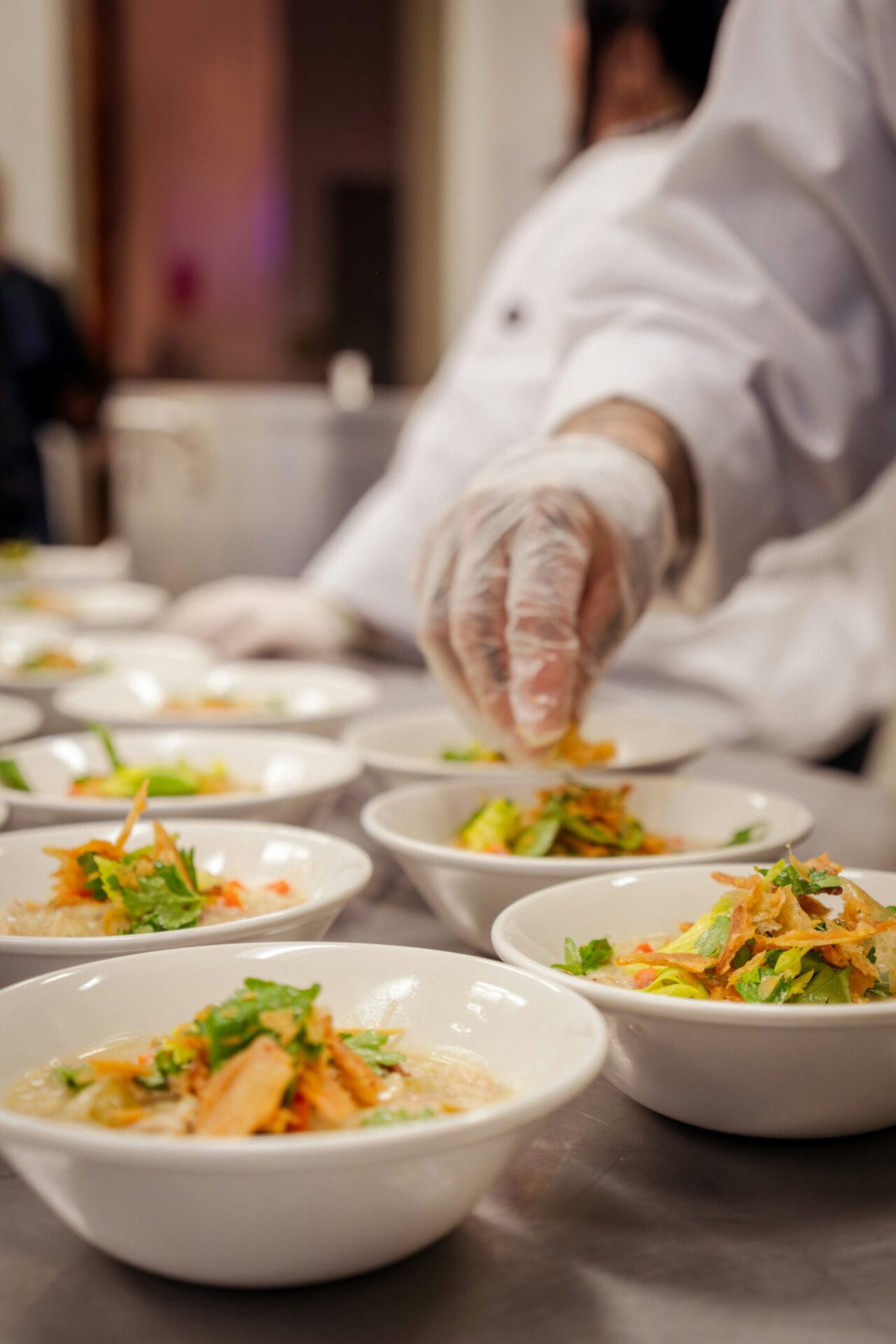
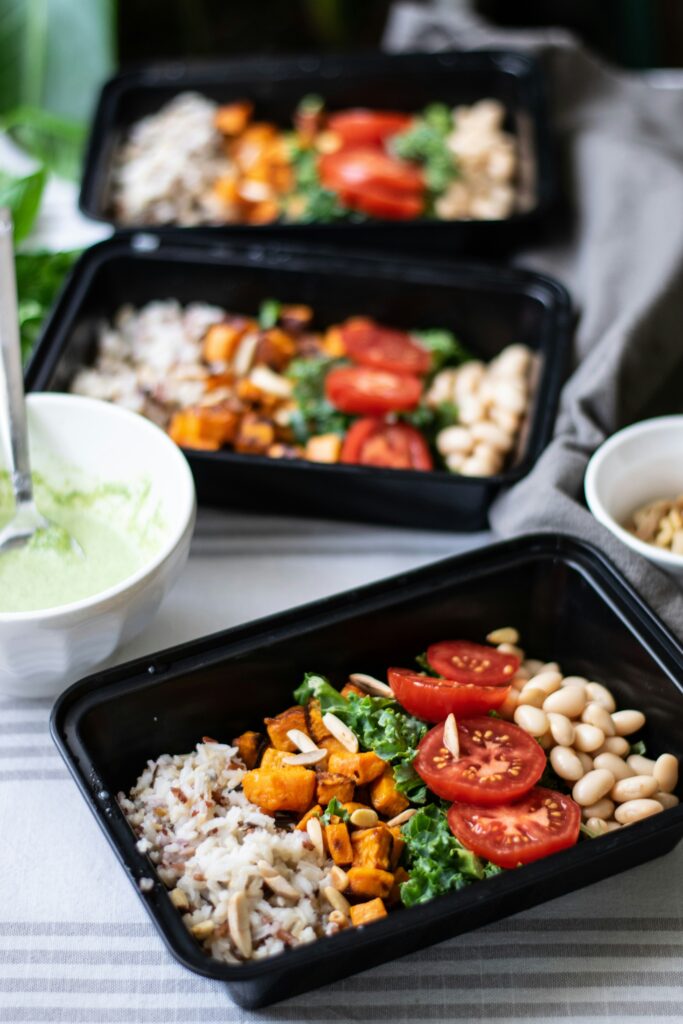
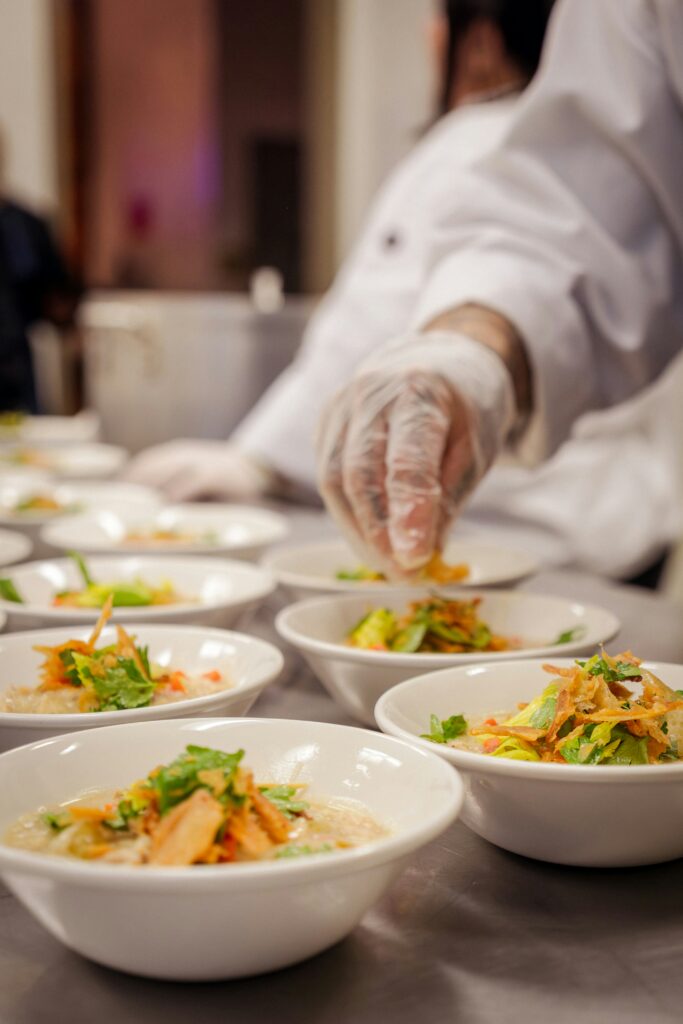
This is where specialized home catering comes in: a chef who comes to your home (or cooks in their own kitchen and delivers), prepares health-focused meals tailored to your condition, and delivers them ready for the fridge.
The difference between a regular chef and a specialized chef: the first cooks delicious food. The second cooks food that heals you.
Why Specialized Catering Resists Automation
AI might give you a recipe. It might tell you calories and nutrients. But it cannot:
- Understand your individual health needs: One diabetic isn’t another. One needs strict limits, another can handle some carbs. AI doesn’t grasp these nuances.
- Cook with human hands: Cooking is art. Right temperature, right timing, feeling the food. No robot can sense this.
- Taste and adjust: While cooking, you taste and correct. Too salty? Add a squeeze of lemon. That’s human judgment.
- Provide trust and psychological support: When you eat food a person cooked who understands your condition, you feel more confident you’re on the right path.
This is the core: specialized catering isn’t about recipes. It’s about understanding, trust, and care.
Core Principles of Specialized Catering
1. Initial Assessment: Understanding Client Needs
Before you cook even one meal, you need to understand:
- Health conditions: Chronic diseases? Allergies? Specific diet requirements?
- Goals: Weight loss? More energy? Boost immunity?
- Food preferences and dislikes: Don’t cook something they won’t eat.
- Cultural and religious restrictions: Halal? Vegetarian? Kosher?
- Delivery timing and storage: Daily? Weekly? Fridge or freezer?
This assessment determines success of the entire service.
2. Basic Nutritional Knowledge
You don’t need to be a nutrition expert, but understand:
- Proteins: Sources (meat, fish, legumes, eggs), protein content per source
- Carbohydrates: Difference between whole wheat and white, slow carbs
- Healthy fats: Olive oil, coconut, avocado instead of industrial oils
- Vitamins and minerals: Different colored vegetables mean different nutrients
3. Basic Cooking Skills
Master:
- Healthy cooking: Grilling over frying, quick boiling, steaming
- Food preservation: How to keep food fresh for a week?
- Time management: How to cook 5 different meals in a few hours?
Special Opportunity: Cultural Cooking for Expatriates
There’s a golden opportunity: people living far from home crave authentic food.
For example:
- An Egyptian living in UAE or Saudi wants authentic molokhia and fetteh
- A Syrian in Europe wants real mansaf and kunafa
- A Khaliji in America wants authentic majboos and harissa
- A Moroccan in Canada wants real couscous and traditional tagine
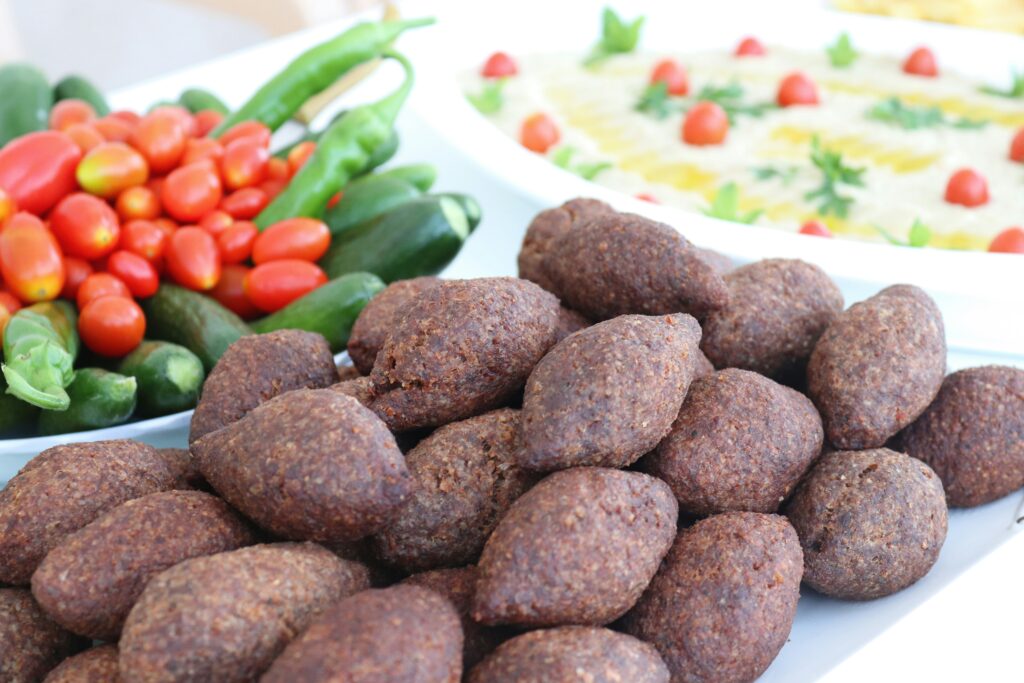
- A Lebanese in Australia wants real kafta and authentic fattoush
Strategy: If you speak a foreign language and know cultural cuisine, target expats from your country. They’ll pay very high prices to taste home.
The expat suffers from “food nostalgia.” They’re not buying food—they’re buying memories, home, and longing.
How to Start: Investment and Setup
Initial Investment
| Item | Cost (USD) | Notes |
|---|---|---|
| Basic cooking tools (if needed) | $80–$150 | Knives, pots, cutting boards |
| Glass storage containers | $40–$60 | Fridge and freezer safe |
| Labels and markers | $5–$10 | For dates and ingredients |
| Nutrition certification courses (optional) | $0–$50 | Online courses (boosts credibility) |
| Health insurance + license (if required) | $50–$100 | Depends on country |
| Website/Instagram + initial marketing | $10–$30 | Basics only |
| Total | $200–$450 | For professional start |
Tip: If you already have a kitchen, you may not need much investment. Start with $100–$200.
Training and Certification
Watch this educational video on healthy meal preparation for beginners.
Learn from:
- Free online courses: Coursera, edX offer free nutrition basics
- YouTube channels: Specialized meal prep and healthy cooking channels
- Nutrition books: Available in many languages
- Work with a specialized chef: If possible, train with an experienced chef
Can You Work Online?
Answer: No, you need physical presence.
You need:
- A kitchen (yours or a client’s)
- Cook meals yourself
- Deliver food personally (or via delivery service)
But you can use the internet for:
- Initial consultations: WhatsApp or Zoom to understand client needs
- Marketing: Meal photos on Instagram and TikTok (most important)
- Scheduling and orders: Simple booking form or app
- Education: Weekly nutrition tips via email
Best marketing strategy: before/after photos (client’s body, health) with success story. People want to see results.
Pricing Models and Income
How to Price Your Service?
Several models:
1. By number of meals:
- 5 meals (2 days): $15–$25
- 10 meals (1 week): $25–$50
- 20 meals (2 weeks): $45–$90
2. By health condition (higher prices for specialized diets):
- Regular healthy meals: $3–$5 per meal
- Diabetic meals: $5–$8 per meal
- Athletic meals (high protein): $6–$10 per meal
- Pregnancy/elderly meals: $7–$12 per meal
- Authentic cultural meals for expats: $10–$20 per meal (premium price due to high demand)
3. Monthly contracts (discount for commitment):
- 4 weeks of daily meals: $350–$500
- With weekly consultation: $450–$650
Smart strategy: Start with moderate prices to build reputation and reviews. After 6 months, raise prices 20–30%.
Monthly Income Calculation
| Scenario | Clients | Avg Revenue | Expenses | Net Profit |
|---|---|---|---|---|
| Beginner (Starting) | 3 clients | $150 | $60 | $90 |
| Advanced (3 months) | 8 clients | $450 | $150 | $300 |
| Professional (6–12 months) | 15 clients | $1,000+ | $300–$400 | $600–$700+ |
Important note: Real pricing depends on:
- Cost of ingredients in your area
- Number of meals you prepare daily (efficiency)
- Delivery (do you deliver or does client pick up?)
- Diet specialization (general vs. specific conditions)
Common Challenges and Solutions
Challenge #1: Allergies and Prohibited Ingredients
Solution: Detailed checklist:
- Request complete allergy list before starting
- Print and post the list in your kitchen while cooking
- Use separate tools for different ingredients (separate knives, pots)
- Label each meal clearly
Challenge #2: Maintaining Freshness
Solution: Proper preservation techniques:
- Fridge: 3–4 days for cooked food
- Freezer: freeze meals within hours of cooking
- Glass containers: better than plastic for quality retention
- Clear date on every container
Challenge #3: Variety While Staying Within Diet
Solution: Smart planning:
- Offer 3–5 meal options weekly
- Change ingredients but maintain nutritional balance
- Ask client: “Do you want the same meals or variety?”
How to Build Strong Reputation
- Before/after videos: Ask clients (with permission) to share their stories. Real results sell themselves.
- Measurable results: Track weight, energy, mood. Show the difference.
- Written testimonials: Ask satisfied clients for written reviews.
- Free nutrition tips: Share advice on Instagram—showcase your expertise.
- Long-term contracts: Offer discounts for 3-month commitment instead of one month.
When Do You Reach Profitability?
- Week 1: Start with 1–2 friends ($50–$100).
- Month 1: 2–4 clients ($150–$300 revenue, $90–$180 profit).
- Months 2–3: Demand grows from referrals ($300–$500 profit).
- Month 6: With good marketing, profit reaches $600–$800.
Specialized catering reaches profitability quickly because people see immediate health results.
First Steps: How to Start
- Test on yourself: Cook for yourself and a friend for a week, get feedback.
- Offer free service to a friend: Goal: get a testimonial and understand pain points.
- Start with 3–5 clients: Don’t increase load too fast. Quality first.
- Document everything: Photos, reviews, health results.
- Expand slowly: Add one new client every two weeks.
- For expats especially: Target them on Facebook groups for expats from your country, or specific diaspora groups. Focus on authentic cultural cuisine.
🔄 Currency Converter
⚠️ Note: Exchange rates are approximate and may differ from actual market rates. Please verify current exchange rates before conducting real financial transactions.
— Crafts That Resist Automation Series —
Previous Article: Urban Micro-Farming: Produce Organic Food in Small Spaces and Sell Locally
Next Article: Expert Consultation: Transform Your Personal Experience into Professional Service