Smart Cities: Is Humanity Ready for Life in the Future

Smart cities raise questions not about whether technology can manage complexity, but whether we can manage the ethical and human dimensions that come with it. In this sense, artificial intelligence is not the issue. The issue is human wisdom in how it is applied.
Smart cities are no longer a distant idea from science fiction. They are quietly becoming part of our daily reality. Around the world, projects are unfolding to rethink the fabric of urban life — how we live, how we move, how we work, and how everyday details are managed through data and artificial intelligence. But the real question is not just technological. It begins with us: Are we ready to live in smarter cities? Or is our fear rooted in uncertainty itself?

When people hear “smart city,” many imagine extremes — either a utopia of perfect order or a dystopia of total surveillance. This anxiety is understandable, but it is not new. Humanity has always faced change with a blend of curiosity and fear. Even in the simplest forms of human settlement, there was organization: planned paths, shared spaces, and routines that made life manageable. Organization is not a technological invention — it is part of human nature. Smart cities simply accelerate what humans have always done: make life more organized.
Smart Cities and Human Experience:
Smart cities take this ancient human instinct for structure and translate it into data and algorithms. What once was slow and lived — embedded in daily habits — is now coded, measured, and directed by software systems. This shift creates discomfort, not necessarily because the systems are harmful, but because they operate in ways that feel unfamiliar and removed from human intuition.
The ordinary person does not need to understand data science to live in a smart city any more than one needs to understand electricity to turn on a light. The real challenge isn’t the technology itself — it’s our cultural and ethical readiness to integrate these systems while preserving what makes life meaningful, warm, and human.
Smart cities do not eliminate our humanity; rather, they expose how fragile our understanding of ourselves can be amid rapid change.

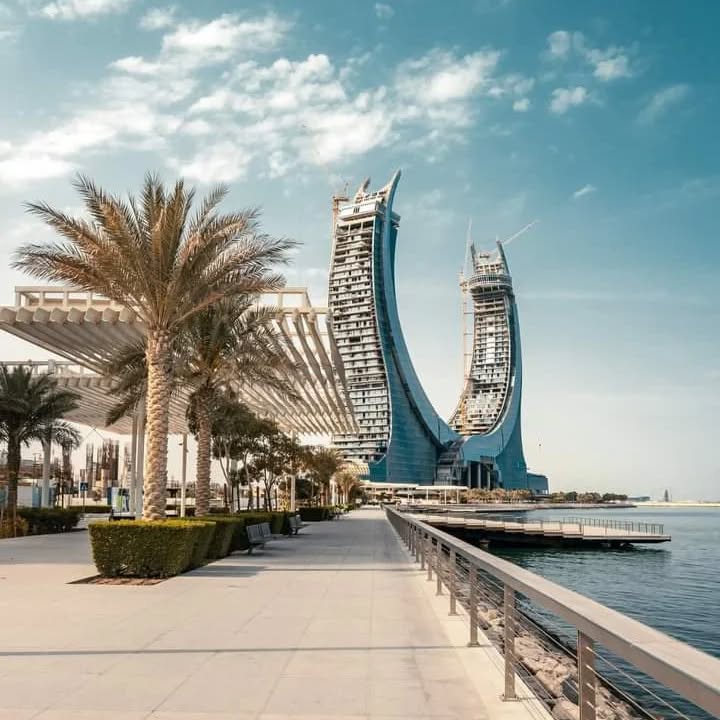

Woven City in Japan, Lusail City in Qatar, NEOM project and The Line city in Saudi Arabia or other global projects reflect different visions of future urban life. Across the globe, examples of smart city concepts are emerging — from pilot zones for autonomous vehicles and sensor networks to fully integrated energy and traffic systems. These implementations reflect an effort not only to improve efficiency but also to refine how cities respond to human needs.
The concern many feel toward smart cities is not about living with technology — it is about living through it. Will these systems serve rather than dominate human life? Will they amplify choice or narrow it?
Toward an Ethical View of the Future:
A city is more than roads and servers. It is a reflection of how we understand ourselves. If we fear the cities of tomorrow, perhaps it is because we have not yet clarified our vision of the future — or our role in it. Smart cities raise questions not about whether technology can manage complexity, but whether we can manage the ethical and human dimensions that come with it. In this sense, artificial intelligence is not the issue. The issue is human wisdom in how it is applied.