
Learn Spanish in a Week (3): Transportation, Directions, and Taxis

Ready to navigate Spanish-speaking cities like a local? Discover the ultimate direct guide to taking the metro, talking to taxi drivers, and understanding street signs.
Learn Spanish in a Week: Your Ultimate Practical Guide
Day 3: Transportation, Directions, and Taxis
Welcome to Day 3! In our language series from Zy Yazan Platform, we successfully broke the ice with basic greetings over the last two days. Today, we take an exciting leap straight onto the pavement. The ultimate goal of learning a new language isn’t memorizing words behind a screen—it’s hitting the ground running and navigating beautiful cities with the confidence of a local.
As a multilingual traveler who has hopped between fast European trains and bustling Latin American avenues, I can assure you that the true magic of travel begins when you tuck away Google Maps and rely on your own tongue to find the way. While Spanish-speaking cities boast brilliant transit networks, knowing a few key phrases will save you from getting lost, protect your budget, and instantly make you look like a sharp, culturally respectful traveler.
At the Metro and Train Station: Your Primary Travel Companion
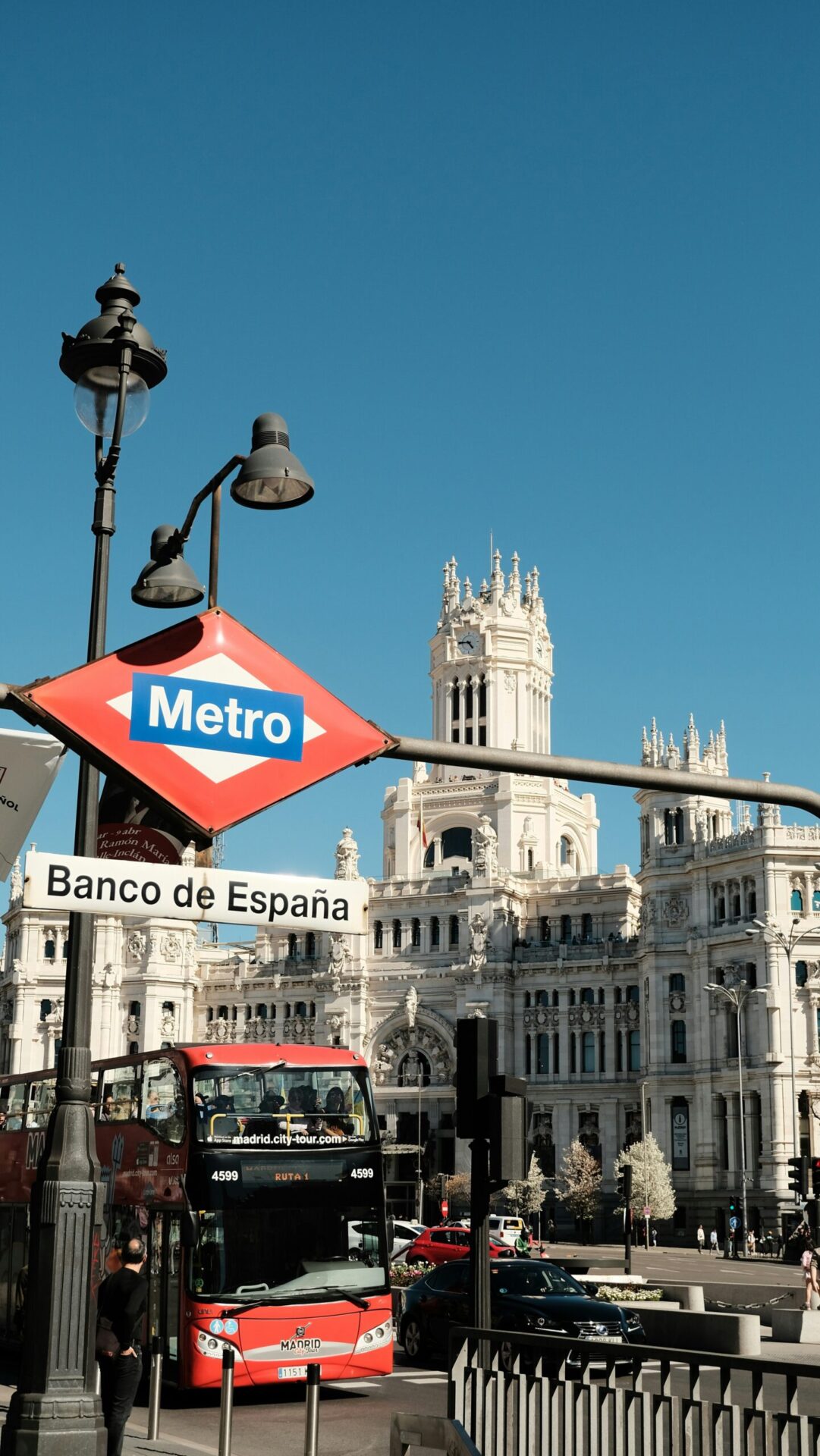
The metro (El metro) is the absolute lifeline of major cities like Madrid, Barcelona, and Mexico City. It is fast, highly economical, and clean. To buy your ticket and track your destination, keep these essential words and phrases handy in your digital pocket:
| Spanish Phrase | Pronunciation Guide | English Meaning |
|---|---|---|
| Un billete / Un boleto | oon bee-yeh-teh / oon boh-leh-toh | One ticket (Spain / Latin America) |
| ¿Dónde está la estación de metro? | dohn-deh ehs-tah lah ehs-tah-syohn deh meh-troh | Where is the metro station? |
| ¿Cuánto cuesta el viaje? | kwan-toh kwes-tah ehl bee-ah-heh | How much does the trip cost? |
| Próxima parada | prohk-see-mah pah-rah-dah | Next stop |
| Taquilla / Máquina | tah-kee-yah / mah-kee-nah | Ticket office / Ticket machine |
Always keep in mind that “Billete” is your go-to word in Spain, whereas “Boleto” is preferred throughout most countries in Latin America. A smart pro-tip: always look out for the “Tarjeta multi” or local smart transit cards. These reloadable cards will save you the constant hassle of purchasing single-trip paper tickets.
Taxis and Ride-Hailing Apps: Comfort and Speed
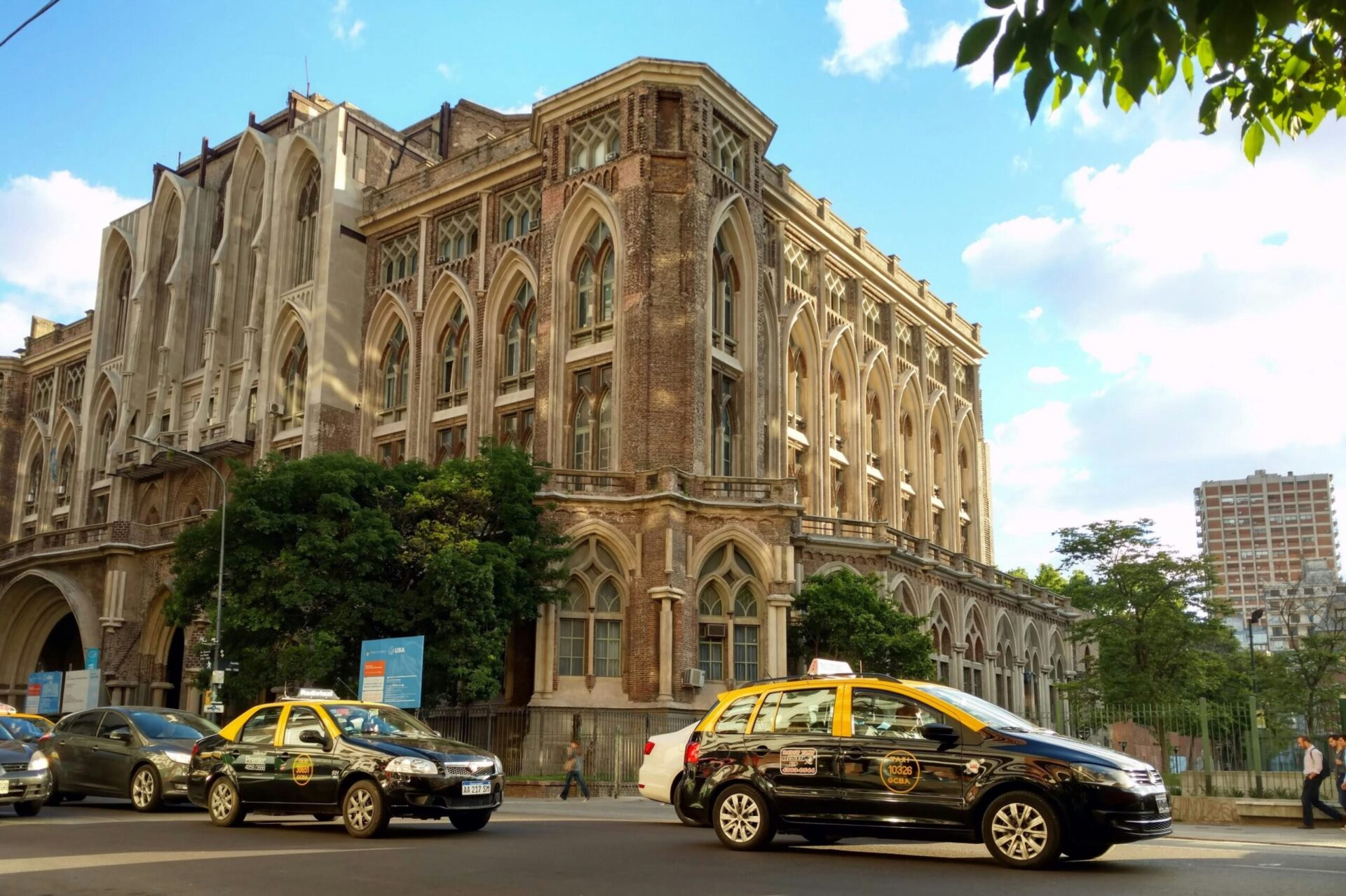
Sometimes you are carrying heavy luggage or simply exhausted after walking miles exploring architectural wonders. That is when a taxi (El taxi) comes in. Official taxis usually feature specific colors depending on the city (like white with a red stripe in Madrid, or black and yellow in Barcelona and Buenos Aires). Here is how you communicate your destination clearly:
| Spanish Phrase | Pronunciation Guide | English Meaning |
|---|---|---|
| ¿Está libre? | ehs-tah lee-breh | Are you free/available? |
| Lléveme a esta dirección, por favor | yeh-beh-meh ah ehs-tah dee-rek-syohn, pohr fah-bohr | Take me to this address, please |
| ¿Puede poner el taxímetro? | pweh-deh poh-nehr ehl tahk-see-meh-troh | Can you turn on the meter? |
| Pare aquí, por favor | pah-reh ah-kee, pohr fah-bohr | Stop here, please |
| ¿Cuánto es? | kwan-toh ehs | How much is it? |
Expert Advice: In certain Latin American countries, street taxis do not use a taximeter; instead, you must negotiate the fare *before* you step inside. Your golden phrase there is: ¿Cuánto me cobra para ir a…? (kwan-toh meh koh-brah pah-rah eer ah), meaning “How much do you charge to go to…?”. In Spain, however, meters are mandatory and strictly enforced by law.
💡 Cultural Story: The Mystery of the Upside-Down Question Mark (¿)
You have probably noticed that written questions in Spanish start with an inverted question mark (¿) and end with a standard one (?). This visual trait is a unique fingerprint found only in Spanish among all major world languages, standard across both Spain and Latin America.Historically, the Real Academia Española introduced this system back in 1753 for a very practical reason: declarative sentences and questions share the exact same word order in Spanish. A reader wouldn’t realize a sentence was a question until hitting the very last word! The inverted sign serves as an early visual alert meaning: “Adjust your vocal tone right now, you are reading a question.” The same applies to exclamation marks: sentences start with (¡) and end with (!), like in ¡Qué bueno! (How great!).
On a side note: In the modern era of WhatsApp and social media, many young native speakers omit the initial inverted marks to text faster. Don’t sweat it if you forget them in casual digital chats—everyone will still understand you perfectly. However, they remain absolutely mandatory in formal contexts, books, and journalistic articles.
Asking Locals: Street Directions
Let’s say you just stepped out of a subway exit looking for a historic square or a hidden museum. Asking passersby is the fastest route—not just to find your way, but to practice your real-world language skills and receive a warm smile from the locals. Always remember to break the ice politely by starting with “Disculpe” (Excuse me).
| Question in Spanish | Pronunciation Guide | English Meaning |
|---|---|---|
| ¿Cómo llego al museo? | koh-moh yeh-goh ehl moo-seh-oh | How do I get to the museum? |
| ¿Está cerca o lejos? | ehs-tah thehr-kah oh leh-hohs | Is it close or far? |
| ¿Dónde hay un banco? | dohn-deh ay oon bahn-koh | Where is there a bank? |
| Estoy perdido / perdida | ehs-toy pehr-dee-doh / pehr-dee-dah | I am lost (masculine / feminine) |
Now, the critical part is actually decoding the answer! Locals won’t just point fingers; they love giving rich descriptions. Train your ears to catch these spatial keywords immediately:
- Todo recto (toh-doh rek-toh): Go straight ahead (In Latin America, they usually say Derecho).
- Gira a la derecha (hee-rah ah lah deh-reh-chah): Turn right.
- Gira a la izquierda (hee-rah ah lah eeth-kyehr-dah): Turn left.
- Cruza la calle (kroo-thah lah kah-yeh): Cross the street.
- En la esquina (ehn lah ehs-kee-nah): At the corner.
Navigation Dictionary: 30 Essential Terms for Transit and Directions
| Spanish Word | Pronunciation Guide | English Meaning | Category |
|---|---|---|---|
| El coche / El carro | ehl koh-cheh / ehl kah-roh | Car | Modes of Transport |
| El autobús / El camión | ehl ow-toh-boos / ehl kah-myohn | Bus | Modes of Transport |
| El tren | ehl trehn | Train | Modes of Transport |
| El avión | ehl ah-byohn | Airplane | Modes of Transport |
| La bicicleta / La bici | lah bee-thee-kleh-tah / lah bee-thee | Bicycle / Bike | Modes of Transport |
| La motocicleta / La moto | lah moh-toh-thee-kleh-tah / lah moh-toh | Motorcycle / Scooter | Modes of Transport |
| El barco | ehl bahr-koh | Boat / Ship | Modes of Transport |
| A pie | ah pyee | On foot / Walking | Modes of Transport |
| La estación | lah ehs-tah-syohn | Station | Modes of Transport |
| Aeropuerto | ah-eh-roh-pwehr-toh | Airport | Modes of Transport |
| El norte | ehl nohr-teh | North | Directions & Locations |
| El sur | ehl soor | South | Directions & Locations |
| El este / Oriente | ehl ehs-teh / oh-ryehn-teh | East | Directions & Locations |
| El oeste / Occidente | ehl oh-ehs-teh / ohk-thee-dehn-teh | West | Directions & Locations |
| Derecha | deh-reh-chah | Right | Directions & Locations |
| Izquierda | eeth-kyehr-dah | Left | Directions & Locations |
| Al lado de | ahl lah-deh deh | Next to / Beside | Directions & Locations |
| Enfrente de | ehn-frehn-teh deh | In front of / Opposite | Directions & Locations |
| Entre | ehn-treh | Between | Directions & Locations |
| Aquí / Allí | ah-kee / ah-yee | Here / There | Directions & Locations |
| Ir | eer | To go | Verbs of Motion |
| Caminar / Andar | kah-mee-nahr / ahn-dahr | To walk | Verbs of Motion |
| Viajar | byah-hahr | To travel | Verbs of Motion |
| Girar / Doblar | hee-rahr / doh-blahr | To turn | Verbs of Motion |
| Cruzar | kroo-thahr | To cross | Verbs of Motion |
| Parar | pah-rahr | To stop | Verbs of Motion |
| Subir | soo-beer | To board / Get on | Verbs of Motion |
| Bajar | bah-hahr | To get off / Go down | Verbs of Motion |
| Tomar / Coger | toh-mahr / koh-hehr | To take / Catch (transit) | Verbs of Motion |
| Llegar | yeh-gahr | To arrive | Verbs of Motion |
Quick Grammar Flash: The verbs in this list are written in their raw base form, called the **Infinitive** (ending in -ar, -er, or -ir). In Spanish, these forms double as action nouns depending on where they sit in a sentence. For instance, Viajar means “to travel” but can also mean the concept of “traveling” itself.
Watch and Practice: Interactive Transit Video
To lock down your pronunciation and see exactly how these interactions play out in real life, take two minutes to watch this fantastic instructional video summarizing the core direction and transit rules:
The smart traveler’s blueprint for navigating and asking locals in Spanish
Cultural Insight: The Beautiful Ritual of Walking (El Paseo)
While mastering public transit maps is crucial, let me share a golden local secret with you. In Spain and throughout Latin America, walking isn’t just a basic way to get from point A to point B—it is a deeply embedded social and cultural ritual known as “El Paseo”.
As evening falls, you will observe entire families, couples, and groups of friends pouring out into wide boulevards and public squares (Las Plazas) just to enjoy a slow stroll, catch up on local chatter, and share some gelato. My best piece of advice to you as an intentional traveler: even if a bus route is readily available, choose to walk those final stretches through historic alleys instead. That is where you truly breathe in the genuine pulse of the city.
You now hold the keys to navigating the streets smoothly and moving around completely unhindered! Keep your energy up, because tomorrow on Day 4, we are answering the call of the kitchen. We will learn how to order coffee, handle dining etiquette at restaurants, and request the bill like absolute pros in the land of flamenco and tacos!
— Learn Spanish in a Week Series —
Previous Article: 2- Greetings and Self-Introduction
Current Article: 3- Transportation, Directions, and Taxis
Next Article: 4- Food, Coffee, Restaurants, and Ordering the Bill
Similar Series: Learn Indonesian in a Week | Learn Turkish in a Week
- Instituto Cervantes — Official Guide to Core Communication Phrases for Travelers (Level A1).
- Real Academia Española (RAE) — Global Dictionary of Geographic Terms and Transit Idioms.