Morning Coffee Rituals: More Than Just Caffeine for Syrians
For Syrians at home and in diaspora, morning coffee is more than a drink — it’s a daily ritual that holds families together and keeps identity alive.
The sound always came first.
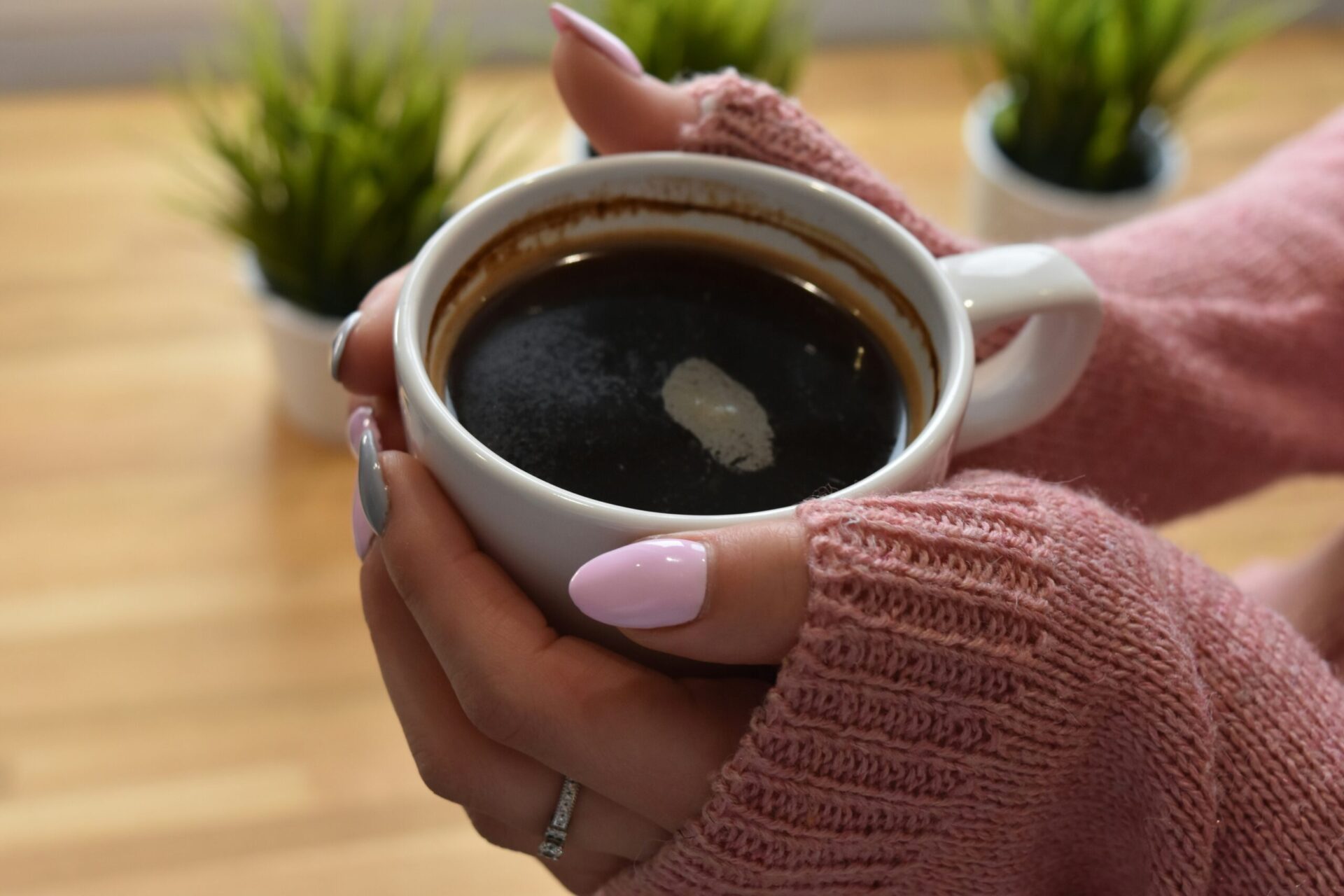
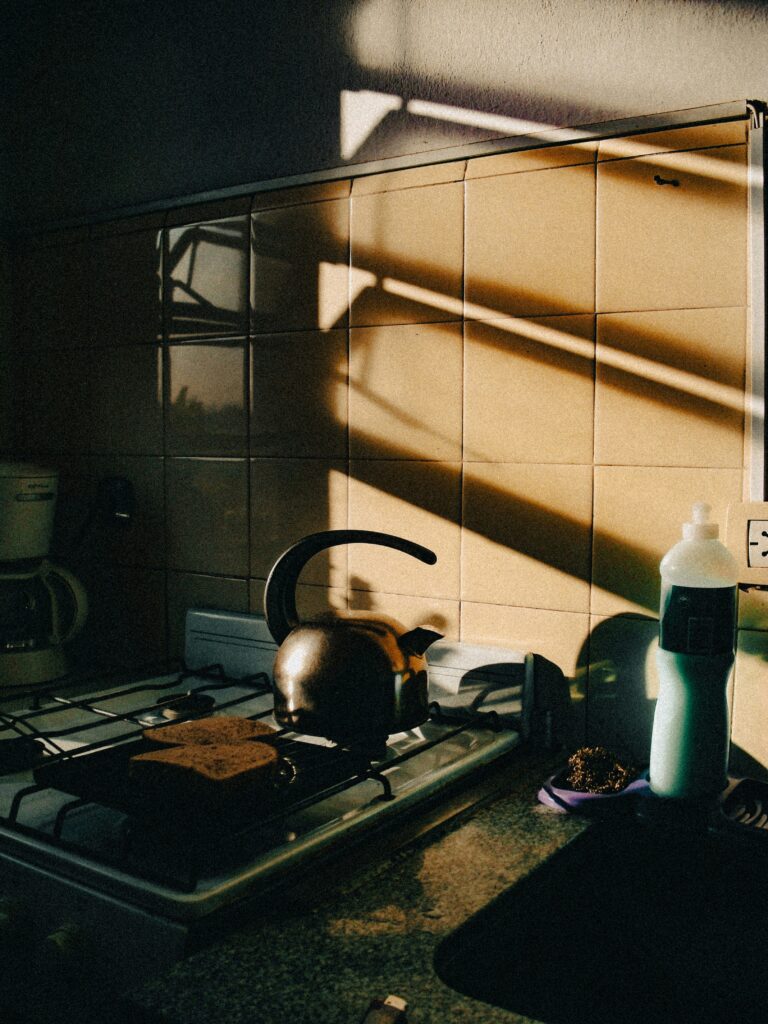
Before your eyes opened, before you knew whether it was a workday or a holiday, there was a sound from the kitchen. A soft, rhythmic tapping — metal against metal over a quiet flame — and then a smell seeping under the door. Cardamom and bitter coffee. A smell that said: morning has begun, and the family is here.
In Syrian homes, coffee was never just caffeine. It was — and still is — an unwritten social protocol, a morning ritual that anchors something deeper than wakefulness: belonging.
How You Brew a Cup — and a Memory Along With It
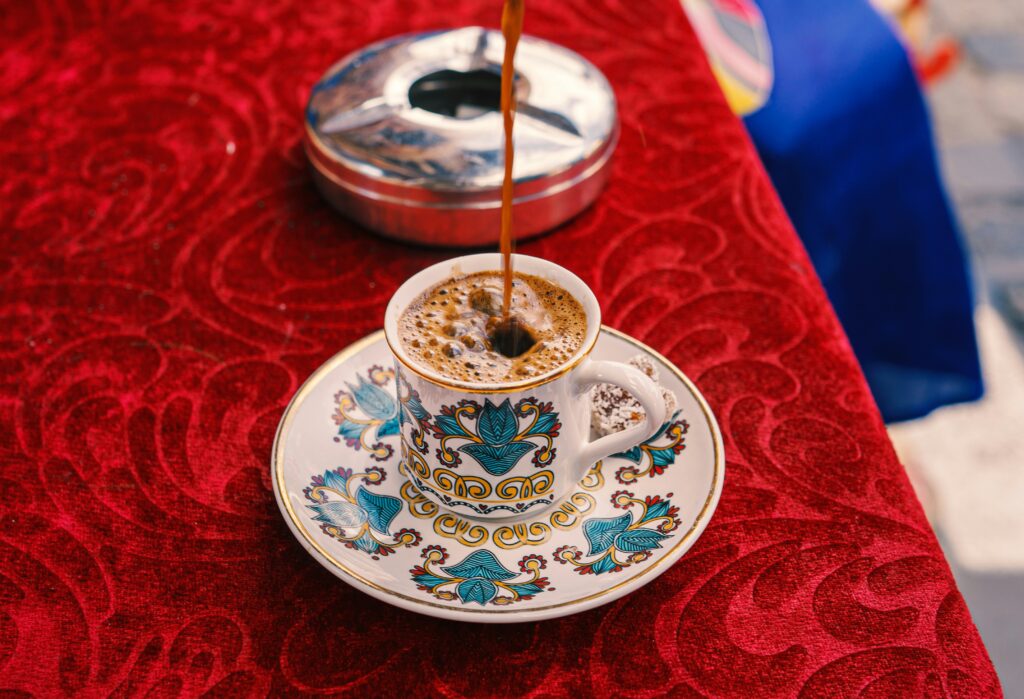
It wasn’t only about the preparation itself, though the preparation has its own rituals. Syrian coffee varies by region: in Damascus, it’s traditionally served bitter, with cardamom, sometimes with a hint of rose water or mastic. In rural areas and among Bedouin communities, Arabic coffee takes on a pale golden hue from saffron — a coffee of hospitality, offered at weddings and important gatherings.
But what makes the memory isn’t the recipe. It’s the whole scene: a mother standing at the stove with the calm of early morning, a father sitting in silence until the first small cup is handed to him, a grandmother who reads fortunes from the sediment at the bottom of the cup and laughs before the day has properly started.
A morning coffee cup in a Syrian home is not just a drink. It’s a quiet declaration that the day begins together, not alone.
The Small Moments That Don’t Fade
Ask any Syrian living in diaspora what they miss most, and you’ll find a surprising pattern. They rarely name the famous landmarks or the grand places first. They name small things. The smell of their mother’s morning coffee. The old radio. The winter light entering the kitchen window at a particular angle.
These details are what keep identity alive in exile — not the big speeches about homeland, but these sensory moments that live in the body before the mind. This is what makes the morning coffee ritual an act of identity in itself, even when practiced in a small apartment in Europe or North America.
When Coffee Becomes a Bridge Between Generations
I remember the first time I tried to make coffee the way my grandmother did. It wasn’t easy — the proportions, the temperature, the patience required to watch the foam rise without letting it boil over. I failed twice. On the third attempt, when the same smell filled the room that used to fill her kitchen, something unexpected happened: she felt present.
This passing of small rituals — learning them, practicing them, passing them on — is what families do everywhere, across time. It’s not teaching values through words alone, but through repeated daily practice. Coffee, bread, the way you fold a tablecloth — these are “embodied culture,” transmitted through imitation and observation, not explanation.
The Syrian kitchen is a school as much as it is a place for food. (See our article: How to Keep Your Heritage Language Alive When You Live Abroad)
Coffee in the Age of Displacement
In the years of forced displacement, the cup became a heavy symbol. Many Syrians write in their blogs and social accounts about unexpected moments of weeping — when they catch the smell of coffee in a foreign café and find themselves ambushed by images they cannot hold back. Olfactory memory is the deepest and hardest to summon at will, and the most overwhelming when it arrives unannounced.
But that same grief is evidence that small rituals are not luxuries — they are the thread that connects us to ourselves when everything else is lost. Syrian families that maintain the morning coffee ritual in their new homes are not simply “remembering the past.” They are actively building their children’s identity in the present.
For more on how families maintain bonds across distance, see our article: Transnational Families: Redefining Kinship Through Technology
A Language That Needs No Translation
There’s something else that defines Syrian coffee: the language it’s made in. “Yalla, gūmi kawwī ahwé” — the Damascene dialect phrase for “come on, go brew some coffee” — doesn’t really translate. Not because the meaning is beyond a translator’s reach, but because the tone, the relationship, and the whole context are embedded in the dialect itself. Levantine Arabic carries warmth in a particular way, and the kitchen is often the last place it survives in diaspora homes. (See our article: When Damascus Wrote for the Arabs | A Farewell to Syrian Drama)
Some words can’t be translated — only lived. Some smells can’t be described — only remembered.
How to Build Your Own Morning Ritual Today
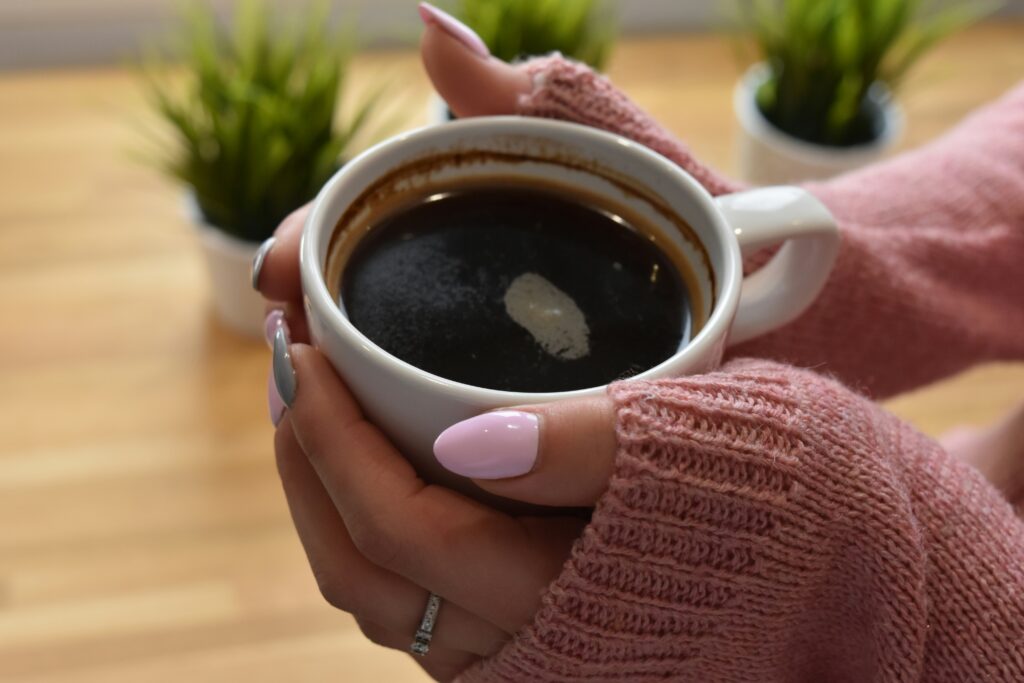
You don’t need your grandmother’s copper pot — though that would be wonderful. You just need a decision: that the morning has a shape. That the cup has a ritual. That whoever is in the house gathers, even for ten minutes, before everyone scatters into their day.
In a world that accelerates and fragments, a shared, quiet morning isn’t an indulgence — it’s an investment in your children’s memory. The memory that will return to them, as it returns to us, when they one day find themselves far from home.
Tell us: what’s your morning ritual? And do you still make coffee the way your grandmother did?
See also: The Waiting Curb: When Damascus’s Yellow Taxis Became a Memory of Stability
References:
- Herz, R. (2016). Why You Eat What You Eat. W. W. Norton — chapters on olfactory memory and emotion.
- Bourdieu, P. (1990). The Logic of Practice. Stanford University Press — the concept of habitus and embodied practice.