

Transnational Families: Redefining Kinship Through Technology

When continents separate families, technology becomes an emotional lifeline. How Arab families scattered across borders are redefining what “keeping in touch” really means.
Every Thursday at 9 p.m. Damascus time — 2 p.m. in Montreal — Um Walid opens her phone and taps the WhatsApp icon. Her son’s face appears on screen, his Canadian kitchen visible behind him. They exchange a brief greeting, then she shares the details of her week and he shares his. An hour later, they each put their phones down.
This Thursday call is sacred. They’ve missed it only twice in three years.
What two decades ago was a costly exception — the international call billed by the minute — has become an ordinary weekly ritual. Technology hasn’t erased distance. But it has changed what distance means.
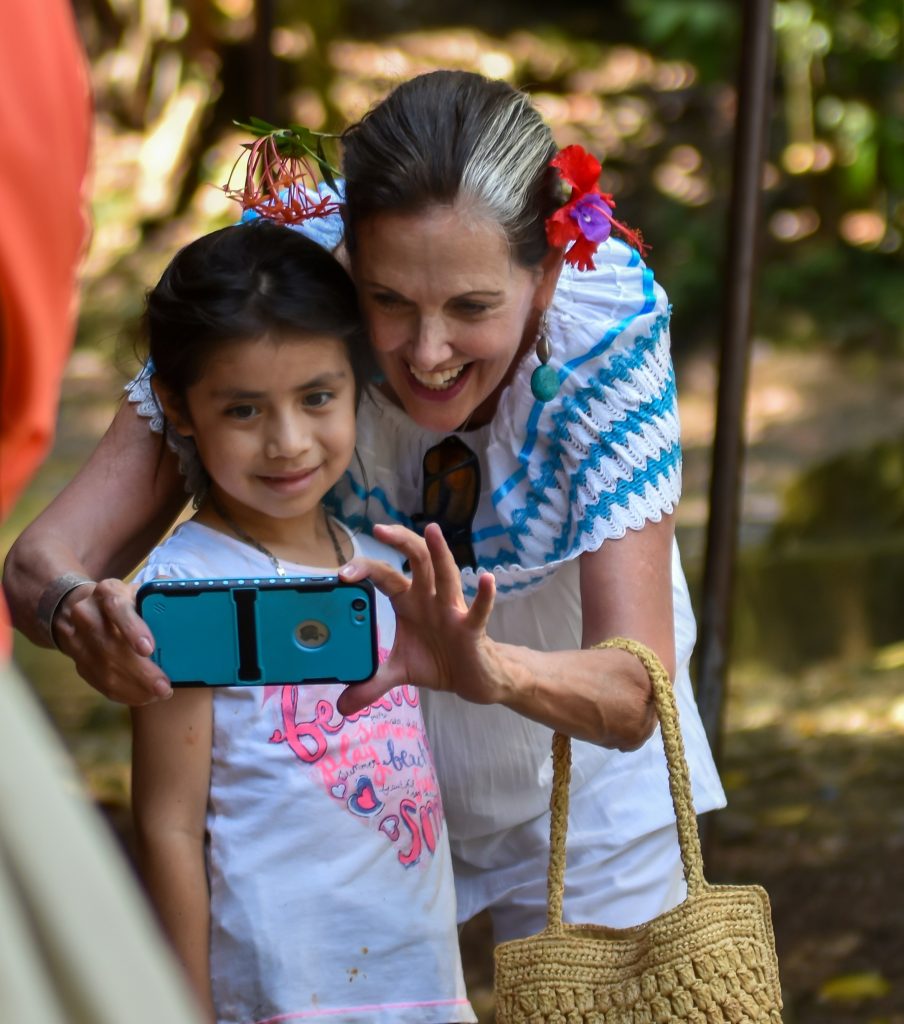
The Extended Family in the Age of Diaspora
The Arab family has traditionally been an extended one — multiple generations sharing a roof or a neighborhood. Geographic closeness was the foundation of the relationship: you visited your mother daily, and you knew your neighbors’ news before they told you. Maintaining family bonds was a daily practice, not a deliberate decision.
Then came successive waves of migration. Today, entire Arab families are distributed across two or three continents. Grandparents in Aleppo or Amman, children in Germany, the Gulf, Canada and Australia, and grandchildren growing up who’ve never tasted their grandmother’s cooking — but see her face on a screen every week.
This reality raises a deep question: can technology actually carry the weight of kinship — or is it just a cold digital comfort that fills the gap without ever closing it?
Kinship, at its core, is an act — not just a feeling. When physical acts become impossible, technology becomes the means that keeps the act possible.
What the Screen Can Do — and What It Can’t
Let’s be honest about the assessment. Technology now enables things that were impossible twenty years ago:
- Sharing a birthday moment with a distant grandparent via live video
- Sending a child’s first word in audio before the moment is even over
- Keeping a grandmother updated on daily details through a family WhatsApp group
- Teaching children their grandparents’ language through regular calls and support apps
But technology cannot:
- Transmit the smell of a grandmother’s home or the warmth of her embrace at arrival
- Replace the shared silence that needs no words
- Compensate a child for a grandfather’s absence on the first day of school
- Eliminate that deep feeling of watching your loved ones’ lives from behind glass
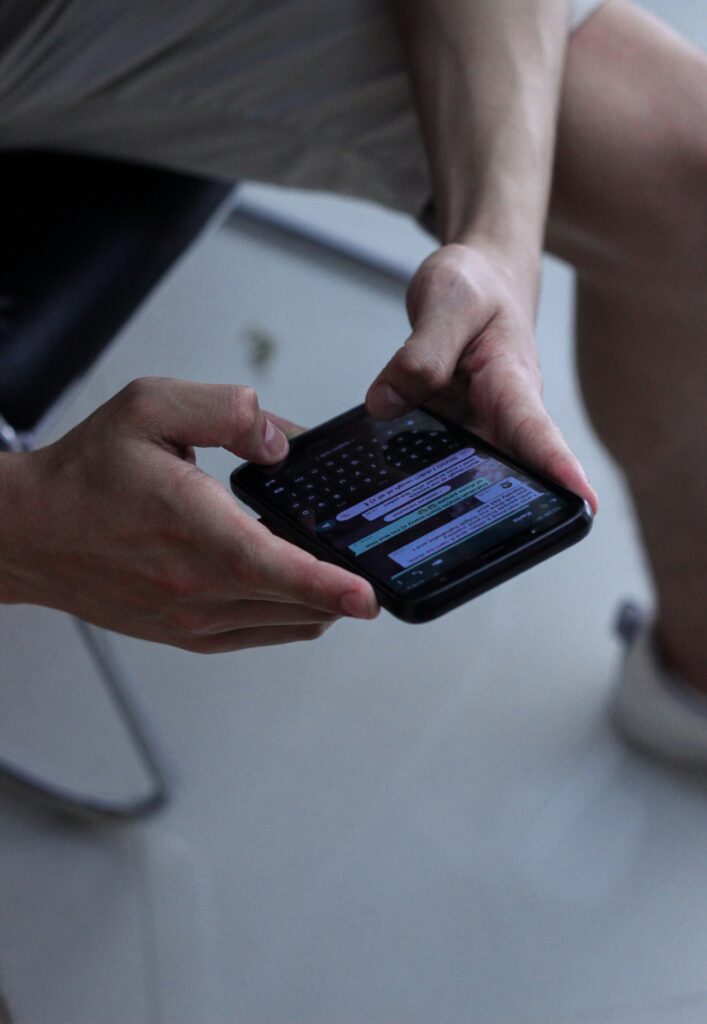
Translation: The Hidden Bridge Inside the Family
There’s a dimension many overlook when discussing transnational families: language. When grandchildren grow up in non-Arabic environments, they develop a different language from their grandparents’. Real communication hits an invisible linguistic barrier.
Here, translation — in its broadest sense — becomes an emotional tool, not merely a technical one. A mother who translates for her child what the grandmother said in Arabic isn’t just passing on words — she’s passing on a relationship. A father who describes to a grandfather in the language he understands what the child did at school today is building a bridge the relationship can actually cross.
Bilingual families often master this naturally. (See our article: How Bilingual Families Use Translation as a Daily Superpower)
Communication Patterns in Transnational Families
| Pattern | Main Tool | Strength | Risk |
|---|---|---|---|
| Scheduled call | WhatsApp / Zoom | Creates a stable ritual everyone anticipates | Can become a cold formal obligation |
| Family group chat | WhatsApp / Telegram | Shares daily details and instant photos | Notification overload reduces the value of content |
| Live sharing | Instagram / Stories | Grandparents follow grandchildren’s lives visually | A watching relationship, not genuine interaction |
| Periodic visits | — | Irreplaceable — the real fuel of the relationship | Expensive and constrained by visas and finances |
When Technology Redefines “Presence”
A friend once told me about the day her grandmother — in her eighties, in Jordan — asked to be taught how to use WhatsApp. The grandmother didn’t simply want to talk. She wanted to be present in her grandchildren’s daily lives — to see today’s lunch, to hear their voices before bed.
This grandmother isn’t using technology as a substitute. She’s using it as an extension of something that was always inside her: the desire to be there. That distinction matters enormously.
Technology doesn’t create kinship — but it opens a window that kinship can breathe through. (See our article: How to Keep Your Heritage Language Alive When You Live Abroad)
Five Habits for a More Connected Transnational Family
- Fix a day for the call: A regular schedule builds healthy emotional anticipation — the grandmother knows Thursday will bring her grandchildren to the screen.
- Share the small things: Send a photo of today’s dinner, the sound of rain outside, a tiny story with no occasion. These small things are the fabric of shared life.
- Book one-on-one calls: Alongside the big family group, a private call between a grandchild and a grandparent goes deeper than ten group messages ever will.
- Use voice, not just text: Voice messages carry tone and emotion that writing cannot — especially for grandparents who struggle to type on a phone.
- Plan a real visit: All of the above is a bridge — the destination is physical presence, even if only once a year.
Technology has redefined distance — but it hasn’t erased it. Our job is to fill the space between calls with something real.
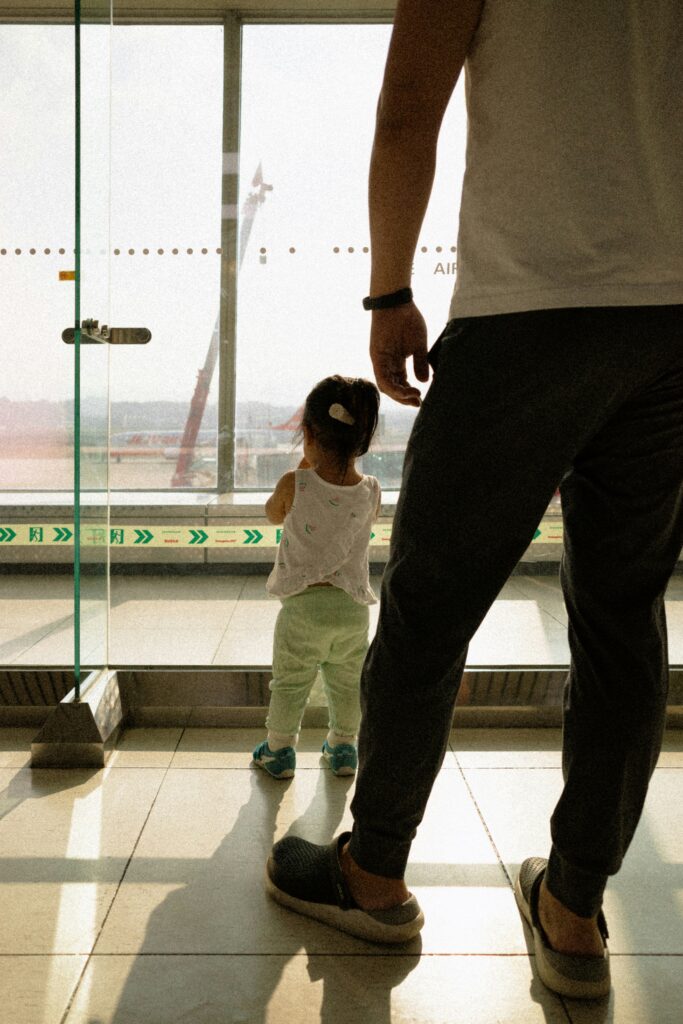
Kinship in the Twenty-First Century
Perhaps the new generation of Arab diaspora children is the first raised on family relationships that run through multiple channels simultaneously — flowing across screens, airports, and time zones. They’re building, without knowing it, a new model for what family means.
This model isn’t lesser than the traditional one. It’s harder and more conscious. Because sustaining it requires a renewed decision every week: to press the call button, to write the message, to remember that the person you love on another continent needs to know you’re thinking of them.
See also: Digital Parenting in Arab Homes: Have We Lost Control?
References:
- Baldassar, L., & Merla, L. (Eds.) (2014). Transnational Families, Migration and the Circulation of Care. Routledge.
- Madianou, M., & Miller, D. (2012). Migration and New Media: Transnational Families and Polymedia. Routledge.
- Pew Research Center (2019). Keeping in Touch: How Technology Connects Families Across Distance. pewresearch.org