Classical Arabic — The Mother Tongue That Never Died

Fusha and colloquial Arabic are not two competing languages — they are two layers of one. Discover the three-letter root system and how dialects were born from history.
In 2019, Matthew, a software engineer from Boston, decided to learn Arabic. The reason was straightforward: his biggest client was based in the UAE, and he wanted to surprise him with one sentence at their next meeting. He signed up for Duolingo, spent three months studying Modern Standard Arabic — greetings, numbers, everyday phrases. At the first face-to-face meeting in Dubai, he opened with confidence: “Ahlan wa sahlan, kayfa haluka?”
His client smiled, then replied: “Hala! Shloonak?”
Matthew did not understand a single word.
It took him a moment to realise that everything he had learned was perfectly correct — he had been speaking the language of books while his client was speaking the language of life. Between the two lies a gap that every Arabic learner outside its natural environment encounters, yet few people inside it ever notice.
This gap is the perfect entry point into Arabic: a language that carries twenty languages within it — or more — and at its heart, one mother tongue that has never died.
Fusha: The Largest Living Lexicon on Earth
When someone asks how many words Arabic has, the honest answer is: the question is smaller than the answer. The Oxford English Dictionary contains around 170,000 words. The Académie française recognises roughly 60,000. The Arabic historical lexicon — when you count roots and all their derivatives across the centuries — is estimated at between 12 and 25 million words, according to figures cited by Arab language academies.
This does not mean an Arabic speaker uses millions of words. Most of us, in any language, manage daily life with 5,000 to 10,000 words. What the number means is something deeper: this language does not run out. When existing vocabulary fails you, you can generate a new word from an ancient root — and it will be grammatically sound, aesthetically coherent, and semantically precise.
| Language | Historical Lexicon (approx.) | Source / Note |
|---|---|---|
| Arabic | 12 — 25 million words | Arab Language Academy — full historical derivation included |
| English | ~170,000 | Oxford English Dictionary (main entries) |
| French | ~60,000 | Académie française |
| German | ~330,000 | Duden — includes compound words |
| Chinese | ~100,000 | Hanyu Da Cidian dictionary |
The Arabic figure looks extraordinary because it measures something different: an infinite generative capacity from a finite set of roots. This is the real secret.
The Trilateral Root — Arabic’s Hidden Architecture
Everyone who has studied Arabic remembers the moment they discovered the root system. It is the moment the language stops being a list of words and becomes an equation.
Most Arabic words derive from a three-consonant root — three base letters carrying an original, often physical meaning, around which morphological patterns generate hundreds of related words within the same semantic field.
Three examples, drawn from sensory images at the heart of each root:
K — T — B (ك — ت — ب)
The original sensory image: a mark, a trace left behind. From this root: kataba (wrote) — kitāb (book, the container of writing) — kātib (writer, the agent) — maktūb (written, what has been completed — also fate, in folk usage) — maktab (office, the place) — kitāba (the act of writing) — ikataba (to subscribe, to invite writing toward oneself) — katība (a military unit, a registered formation). Every word carries the same memory: a deliberate mark.
ʿ — L — M (ع — ل — م)
The original image: a flag, a banner raised to be recognised. From this root: ʿalima (knew) — ʿilm (organised knowledge, science) — ʿālam (world, the universe that can be known) — ʿalam (flag, a prominent person) — maʿlūm (known, established) — muʿallim (teacher, one who raises the flag before others) — taʿlīm (education) — iʿlām (media, broadcasting). That ʿilm (knowledge) and iʿlām (media) share a root is not coincidence — both raise something so others can see it.
R — Ḥ — M (ر — ح — م)
The original sensory image is the raḥim: the womb, the warm vessel that protects what grows within it. From here: raḥima (had mercy) — raḥma (mercy) — raḥim (uterus; also blood kinship) — ar-Raḥmān ar-Raḥīm (the two names of God that open every chapter of the Quran) — tarāḥum (mutual compassion). The warmth of a mother’s womb is not a poetic metaphor here — it is the original engineering of the word.
When you know a root, you do not memorise words — you understand families. One root unlocks dozens of words at once.
The Dialects — When Arabic Absorbed Other Histories
Many people believe dialects are a corruption of Fusha — a kind of linguistic decay that happened when people stopped studying properly. This is a romantic myth with no historical basis. Dialects are not “incorrect” Fusha. They are Fusha transformed by different environments — exactly as Latin became Italian, Spanish, French, and Portuguese according to the landscapes it grew in.
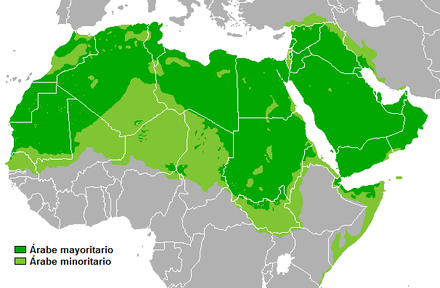
When Islam spread in the seventh century CE, Arab armies carried their language into the lands of Babylon, the Nile, the Amazigh, and the Persians. But those lands were not blank pages. They carried a thousand years or more of living languages, each of which left a trace in the Arabic that encountered them:
| Dialect | Earlier Influencing Languages | Traces Visible Today |
|---|---|---|
| Egyptian | Ancient Egyptian, Coptic | “ēh” (what) — “aywa” (yes) — many Upper Egypt place names |
| Levantine | Aramaic, Syriac, Phoenician | “hēk” (like this) — “hallaʾ” (now) — the soft, broken qāf |
| Iraqi | Akkadian, Sumerian, Persian | “ch” instead of “k” in some regions — “shlōn” from Akkadian |
| Moroccan | Amazigh (Berber), French, Spanish | Rapid consonant clusters — “wāsh” (is it / are you) — dropped short vowels |
| Gulf | Persian, Indian (via trade routes) | “chāy” (tea) — maritime and trade vocabulary — Persian loanwords |
This is why, when an Egyptian hears Moroccan Arabic for the first time, something feels familiar — the sentence structure and roots are the same — but the sonic texture and colloquial vocabulary are foreign enough to block comprehension. Linguists call this phenomenon diglossia, described by the American linguist Charles Ferguson in 1959 — with Arabic as his first and primary example.
Colloquial for Living, Fusha for Thinking
Anyone who assumes that mastering one dialect is enough to understand all Arabic is mistaken. Anyone who assumes Fusha alone is enough for daily communication is equally mistaken. A native Arabic speaker moves between both layers every day — sometimes within the same sentence — without a second thought:
- They speak to their mother in Levantine, Egyptian, or Gulf dialect.
- They write a formal email in Fusha.
- They watch a series in a dialect different from their own and understand 90% of it.
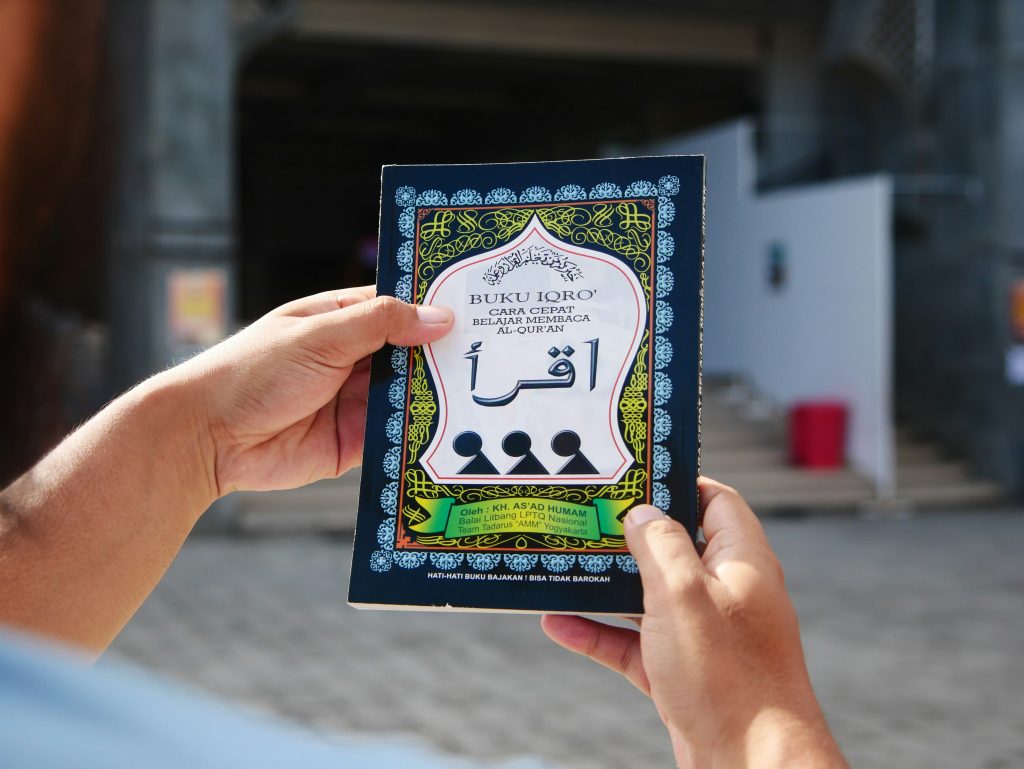
- They read the Quran — the oldest text of Fusha — and feel its beauty regardless of their native dialect.
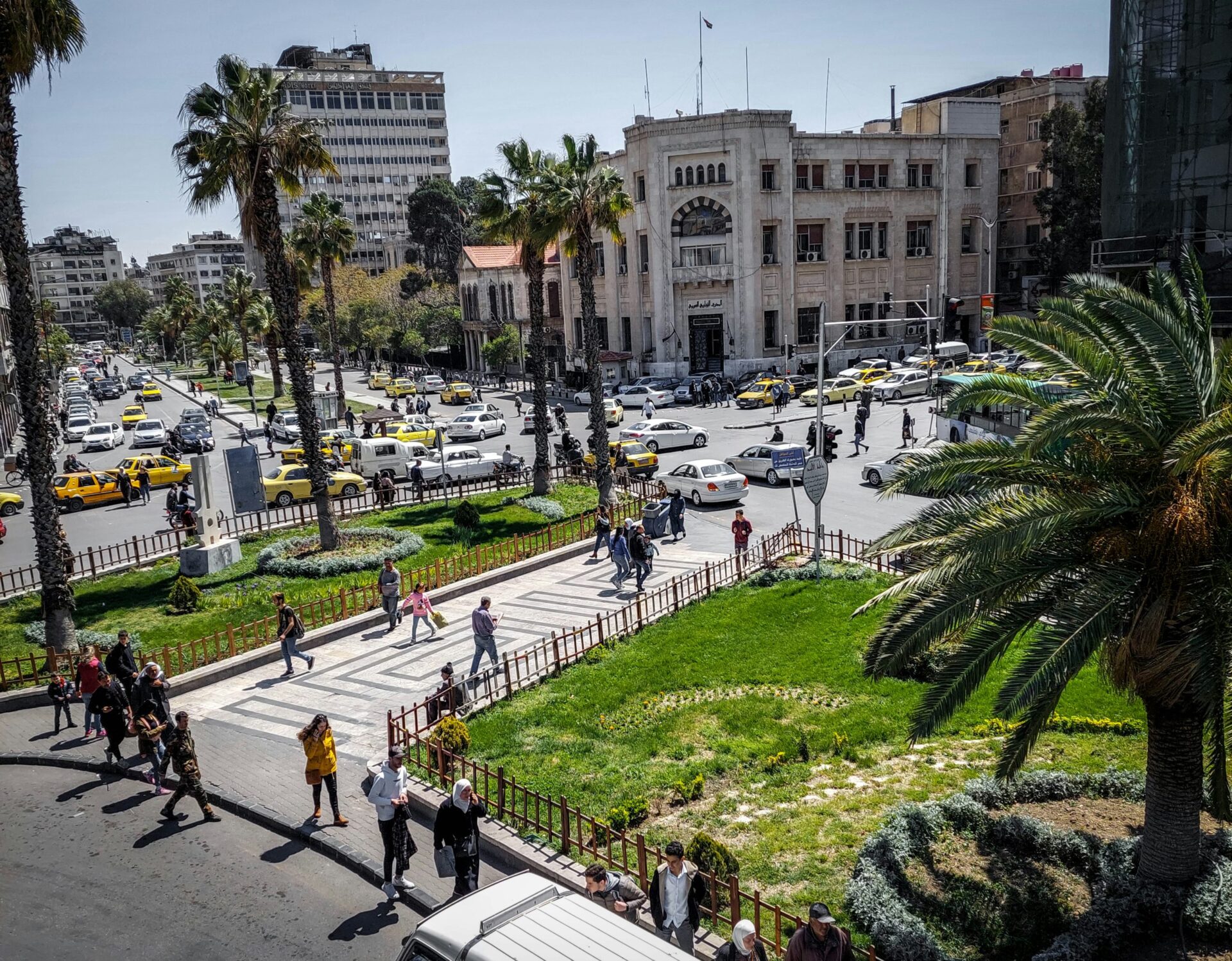
Colloquial Arabic, like any spoken language on earth, needs roughly 3,000 words to handle daily life. But when a person wants to express a complex idea, read a newspaper, draft a contract, or deliver a speech, Fusha is the only common ground — the language that seats a Moroccan, a Gulf national, a Levantine, and an Iraqi at the same table.
Fusha and colloquial Arabic are not enemies — they are two hands belonging to the same person. One writes; the other embraces.
What About Literature in Dialect?
Dialect poetry exists and has existed for centuries — Lebanese zajal verse, Egyptian mawwāl, the songs of Bayram al-Tunisi. But the novel, philosophy, and science have always been written in Fusha, simply because Fusha is far richer for expressing abstract ideas. What has changed in recent years is the emergence of “digital literature” in colloquial — Instagram poems, Twitter reflections — but it is still searching for its full literary identity.
What Matthew Learned in the End
Matthew returned to Boston and started again — this time with different awareness. He stopped trying to learn “Arabic” as if it were one thing, and began thinking in two layers: Fusha as a conceptual and written framework, and Gulf dialect as the language of daily connection with his client. A year later, he was blending both in a way that made his client — who had become a friend — laugh rather than correct him.
This is exactly what this series does: we walk you through the layers one by one — Fusha first, then grammar, then each major dialect, through to a practical traveller’s language guide. By the end, you will not be a linguist. But you will understand why “ahlan wa sahlan” is answered with “hala w ghala” — and why that matters.
(See our article: Arabic Is Twenty Languages Inside One — At Least) — to go deeper into the dialect diversity this article introduces.
(See our article: One Brief, Twenty Dialects: A Client’s Guide to Arabic Content) — if you work with Arab writers and need to understand dialect diversity in a professional context.
Next in this series: Arabic Grammar — How the Engine Works. We will break the Arabic sentence down part by part and show why Arabic case endings are not a punishment for the student — they are the key to the precision that makes everything beautiful in this language.
Series: Arabic Language & Dialects
From Classical Fusha to Darija — All Eight Articles




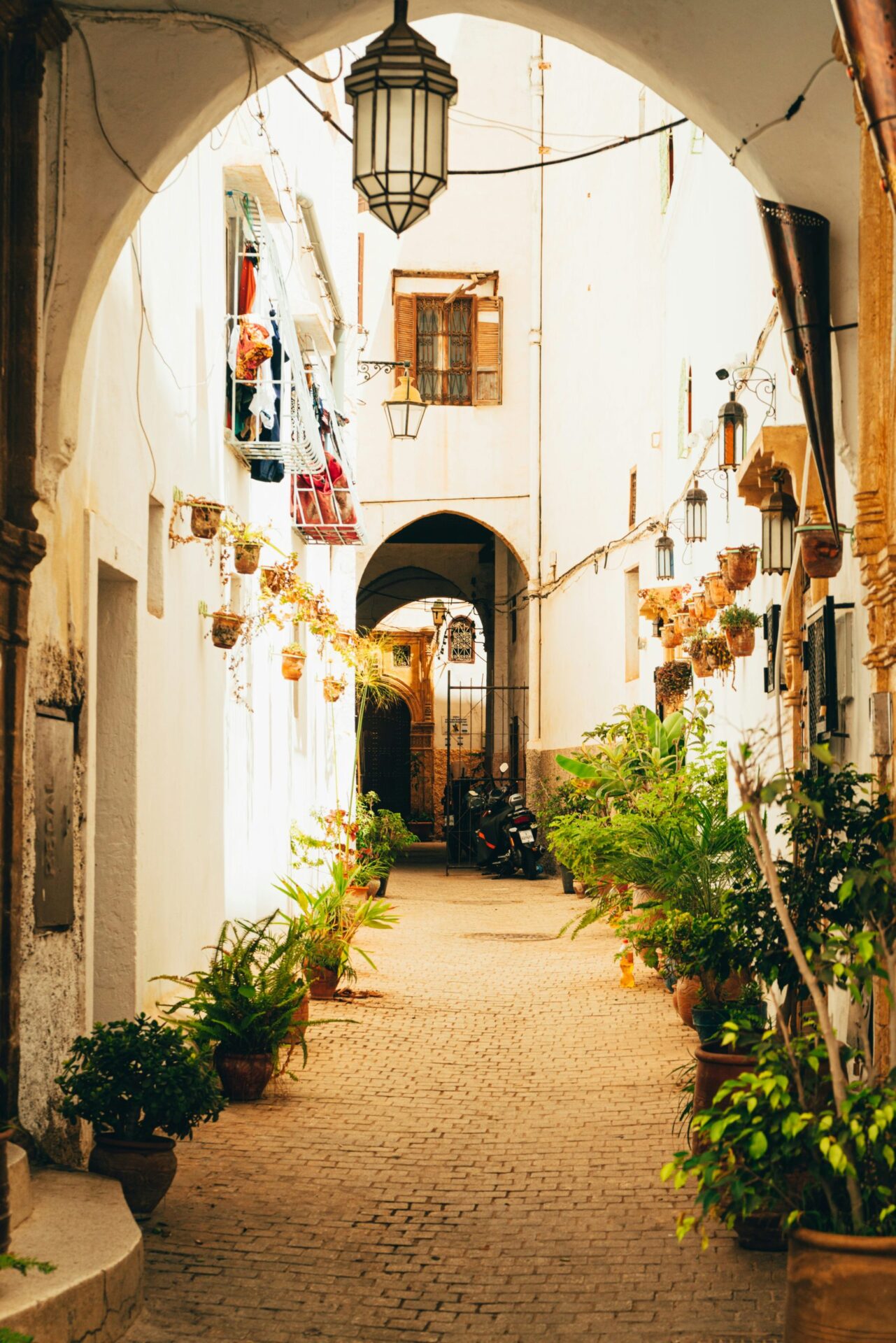

Series: Arabic Language & Dialects — Eight articles from Classical Fusha to Darija | Zy Yazan