The Traveller’s Language Guide | If You’re in an Arab Country

You don’t need to speak Arabic fluently to be welcomed in Arab countries — you need two words with the right warmth. A practical language and travel guide from Cairo to Marrakech.
← Previous: Moroccan Arabic | When Even Other Arabs Get Lost
At Cairo airport in 2019, Maria — a Portuguese designer — was searching anxiously for a taxi. A driver approached and asked “fēn rāyḥa?” (where are you going?). She looked at him blankly. He tried English: “Where you go?” She pointed to a piece of paper with her hotel name. He smiled, took the paper, and helped her. In the car, she said to him — in Arabic, in broken pronunciation but with real warmth — “shukran ktīr.” The driver stopped his rapid speech and said simply: “ahlan wa sahlan.”
Two words. Nothing more. But they changed the tone of the entire journey.
This final article in our series is not about grammar or history — it is about what you actually do. After seven articles covering Classical Arabic, grammar, Egyptian, Levantine, Iraqi, Gulf, and Moroccan, the question now is: what do you say in each country? What do you see? And what do you do when you simply do not understand?
The Golden Rule — Before Any Word
One truth precedes all language advice for travelling in Arab countries: an Arab forgives a linguistic mistake but not a cold heart. If you try — even with one broken word — you will be met with warmth that surprises you. If you enter silently, with a transactional expression, you will get what you asked for — but you will miss the actual thing.
In Arab culture, language is not merely a communication tool — it is a bridge of dignity. When you speak even three words of Arabic, you are telling the person in front of you: “I respected your land before I set foot on it.” And that opens things money cannot.
The one phrase that works everywhere in the Arab world, without exception: “I’m trying to learn Arabic” — and you will be met everywhere with a smile and an eagerness to help.
Egypt — Where Every Journey Begins
Linguistically — What to Say
- “izzayyak?” (m.) / “izzayyik?” (f.) — the simplest, warmest greeting
- “bikam da?” — how much is this? — essential in any market
- “māshi” — OK / agreed — the most versatile word in Egyptian
- “yislamu ēdēk” — thank you (literally: may your hands be safe) — will delight whoever hears it
- “mish ʿārif / ʿārfa” — I don’t know — useful constantly
-

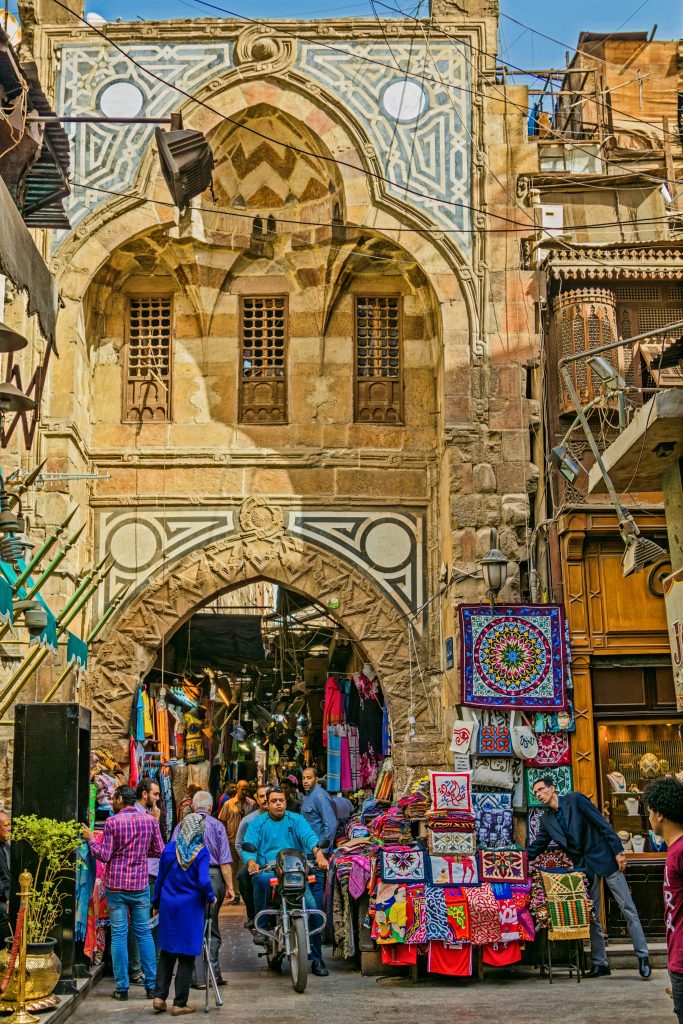
Khan el Khalili, Cairo, Egypt
As a Traveller — What to See
Historic Cairo cannot be visited in one day — but with limited time: start Khan el-Khalili at dawn before the midday crowds, and have breakfast in one of the popular street spots with ful, taʿmiya, and koshari. Then Al-Azhar Mosque, the Hussain quarter, and the Islamic district — thousands of years of architecture in alleys you can walk for hours. In the evening: the Nile, even just a brief seat beside it.
If you head to Luxor and Aswan, you stand before one of the deepest human experiences on earth: temples thousands of years old, still standing with details so precise that silence is the best possible response.
Practical note: Bargaining in markets is not rudeness — it is social custom. But the price difference rarely justifies losing your energy. Ask the price, suggest two-thirds, and smile throughout.
Lebanon and Syria — The Levant in Two Hearts
Linguistically — What to Say
- “kīfak?” (m.) / “kīfik?” (f.) — the first greeting
- “shū fī?” — what’s happening / what’s up? — you’ll hear it dozens of times daily
- “ktīr mnīḥ” — very good — use it for anything that impresses you
- “biddī” — I want — warmer than the Classical urīd
- “yislamu” — thank you — the most-used and most beautiful expression of gratitude
-

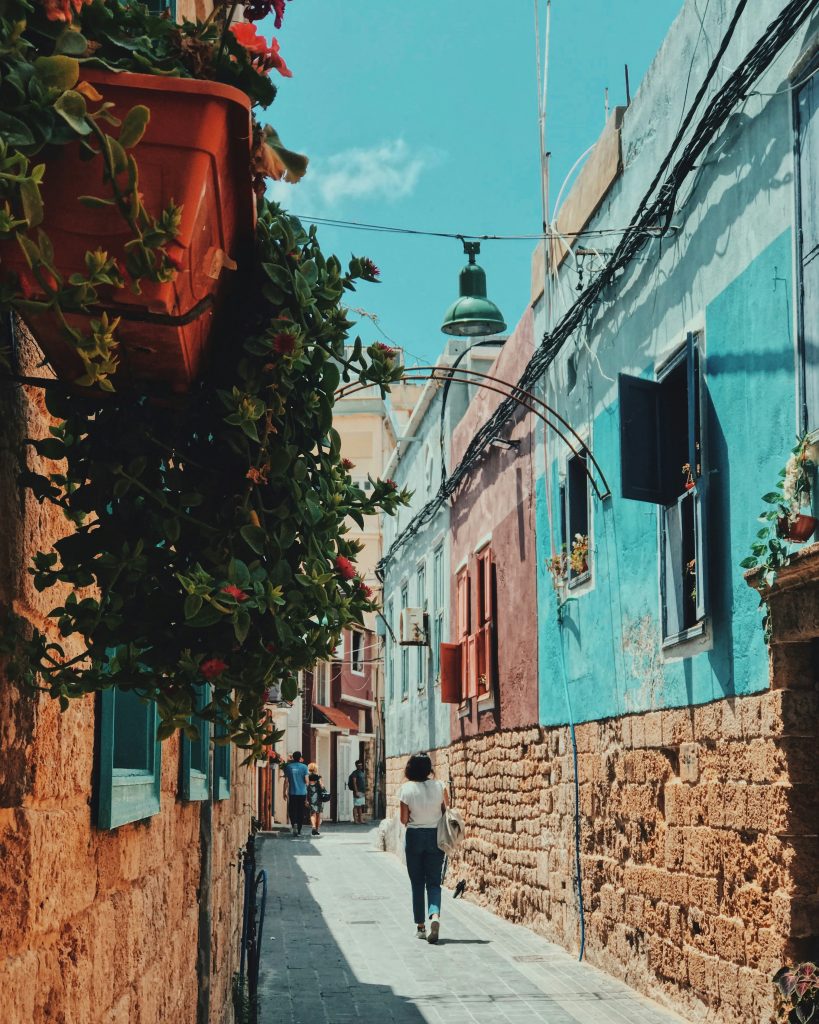
Nabatiyeh El Tahta, Lebanon
As a Traveller — What to See
Beirut is a city difficult to describe — a mix of pain and beauty at a rare intensity. The corniche with a coffee overlooking the Mediterranean and the northern mountains behind is a view that stays with you. Gemmayzeh and Ashrafieh for those who love the old quarter meeting modern life. And the coastal town of Batroun — one of the finest places to eat seafood in the eastern Mediterranean.
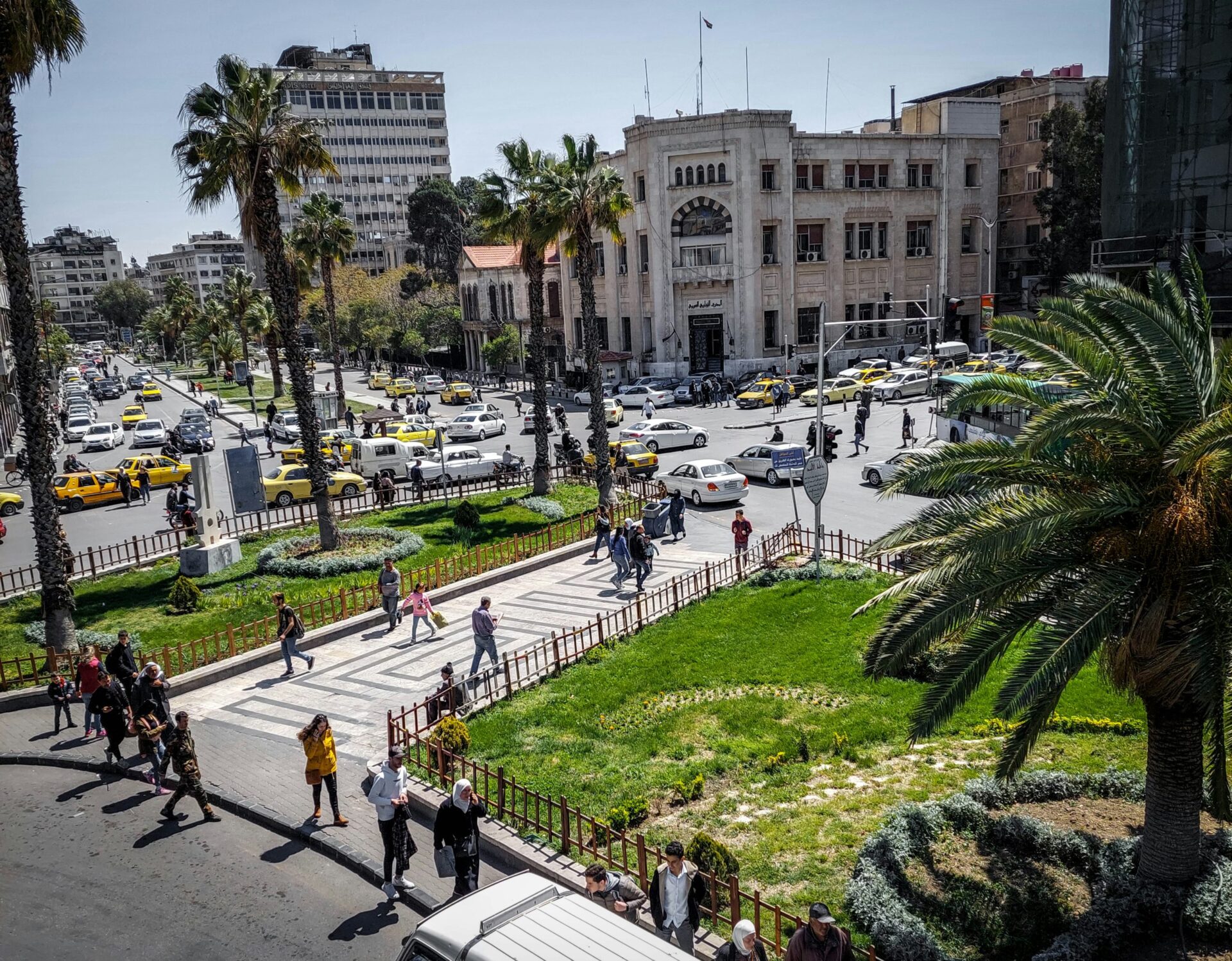
Damascus — for those visiting Syria according to current developments — the Old City is one of the great places on earth: the Hamidiyya souk, the Umayyad Mosque, the Bab Touma quarter where Christians and Muslims have lived beside each other for centuries, and the old Damascene courtyard houses (the dār) that hide behind modest doors entire palaces of marble and jasmine.
Practical note: Levantine hospitality toward guests is literal. Declining a first coffee invitation is politeness — but you must accept by the second invitation.
Iraq — Between the Two Rivers Today
Linguistically — What to Say
- “shlōnak?” (m.) / “shlōnich?” (f.) — how are you?
- “shūku māku?” — what’s there, what isn’t there? / what’s the news? — will produce an immediate smile
- “zayn / tamām” — good / fine
- “yābe” — a tender address for anyone older or close
- “hassa” — now
-
Iraq Baghdad Al-Mutanabbi street books
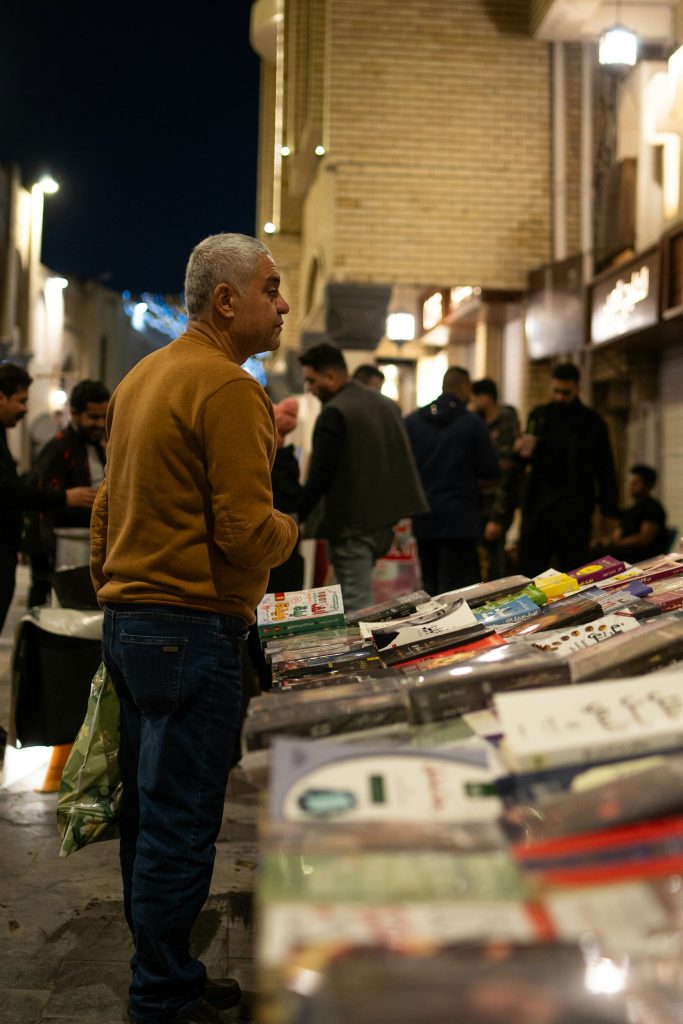
As a Traveller — What to See
Erbil (Hawler) in the Kurdistan Region is the most accessible entry point for tourism in Iraq at present — Erbil Citadel is one of the oldest continuously inhabited sites on the planet, and the traditional market below it is a place for learning and wandering. Basra, at the meeting of the Shatt al-Arab, carries the soul of the ancient port city. Karbala and Najaf for those seeking to understand Iraq’s spiritual and historical depth at its most profound.
Practical note: Iraqi hospitality is intensely generous — “no” alone is insufficient when food is offered. You can say “Allāh ykhallīk, khallētni” while placing your hand on your heart — a body language immediately understood.
The Gulf — The Most Striking Contrast
Linguistically — What to Say
- “hala w ghala” — the warmest Gulf welcome — the person will return it with genuine warmth
- “kayf al-ḥāl?” — the most commonly used formal greeting
- “yiʿṭīk aṣ-ṣiḥḥa” — thank you — after any service or help
- “mā qassar” — you didn’t fall short — gratitude that makes the other person proud
- “zayn” — good / fine
-
Skyline Burj Khalifa, Dubai, UAE
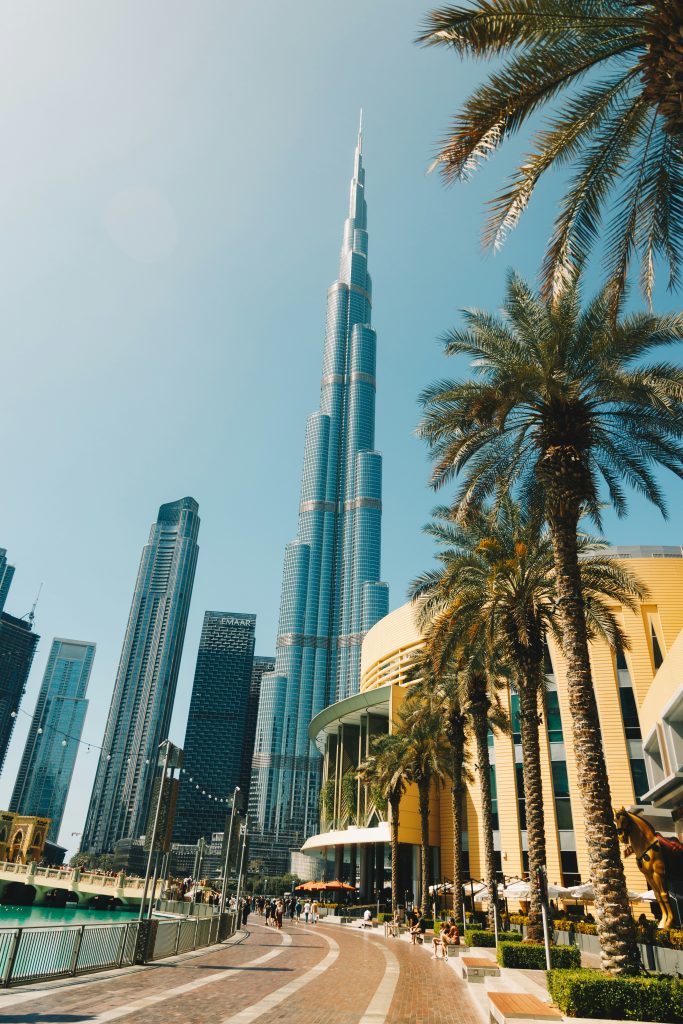
As a Traveller — What to See
Dubai exceeds your expectations in both directions — the modernity is larger than imagined, and the old districts (Deira, Bur Dubai, the Gold Souk) are more authentic than expected. Cross Dubai Creek on a small wooden abra for a few dirhams and you find yourself in a completely different world.
Riyadh has transformed noticeably in recent years — Al-Musmak fort for fish and liver near the historic Dira quarter, and King Abdullah Road for evening walks — the experience of a city in rapid transformation is rarely visible elsewhere.
Muscat is Omani in character without reservation — its cleanliness, calm, and natural beauty (the Musandam fjords, the Wahiba Sands, the Hajar mountain villages) make it one of the finest travel destinations in the world for those seeking the unfamiliar.
Practical note: In the Gulf — especially Saudi Arabia — modest dress is observed in religious public spaces. Appropriate clothing is a sign of respect rather than a tourist obligation, but it opens far more doors than it closes.
Morocco — Where the Continents Meet
Linguistically — What to Say
- “lābās ʿlīk?” — how are you?
- “mzīyan bzzāf” — very good — for anything that impresses you
- “shukran bzzāf” — thank you very much
- “wāsh ʿandak…?” — do you have…? — essential in markets
- “dāba” — now / in a moment
-
Fez, Morocco
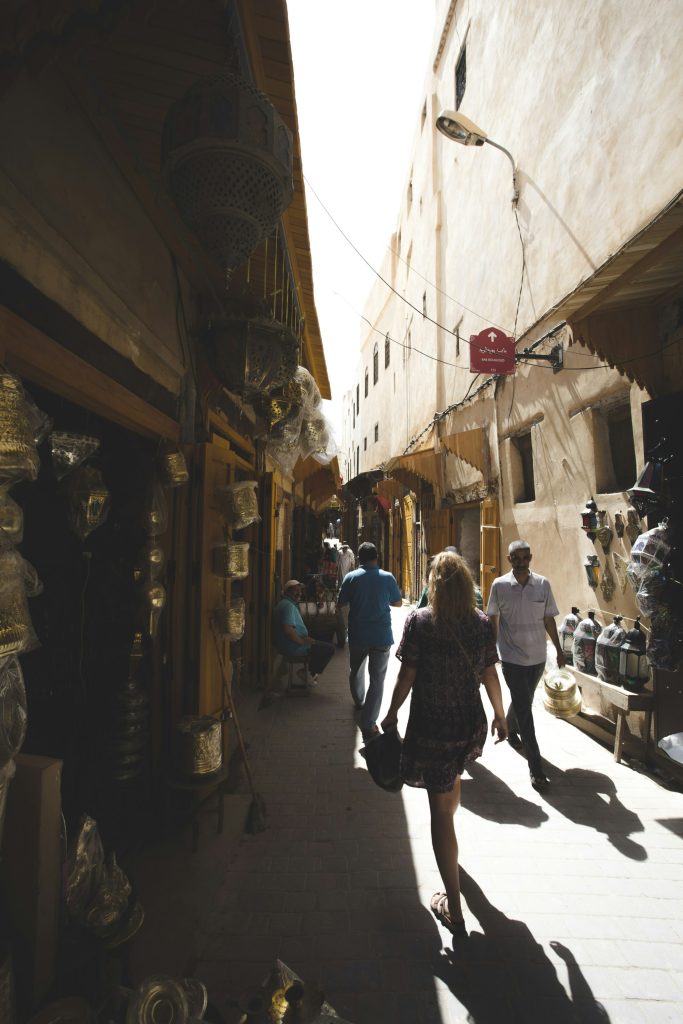
As a Traveller — What to See
Marrakech begins with Jemaa el-Fnaa — the city’s beating heart surrounded by buildings painted terracotta red, where performers, food stalls, and artisans build toward a crescendo at sunset. Do not miss Jardin Majorelle, considered one of the most beautiful gardens in the world — its distinctive blue and rare plants make it a singular visual experience. And the traditional Moroccan hammam — the kessa glove, the black soap, the steam — a physical and cultural experience simultaneously.
Fes is Morocco’s cultural capital and home to the oldest university in the world — the University of Al-Qarawiyyin, founded in 859 CE. The leather tanneries in the old Fes medina — where you see the natural dye vats from above — are among the experiences that most powerfully rearrange your sense of time.
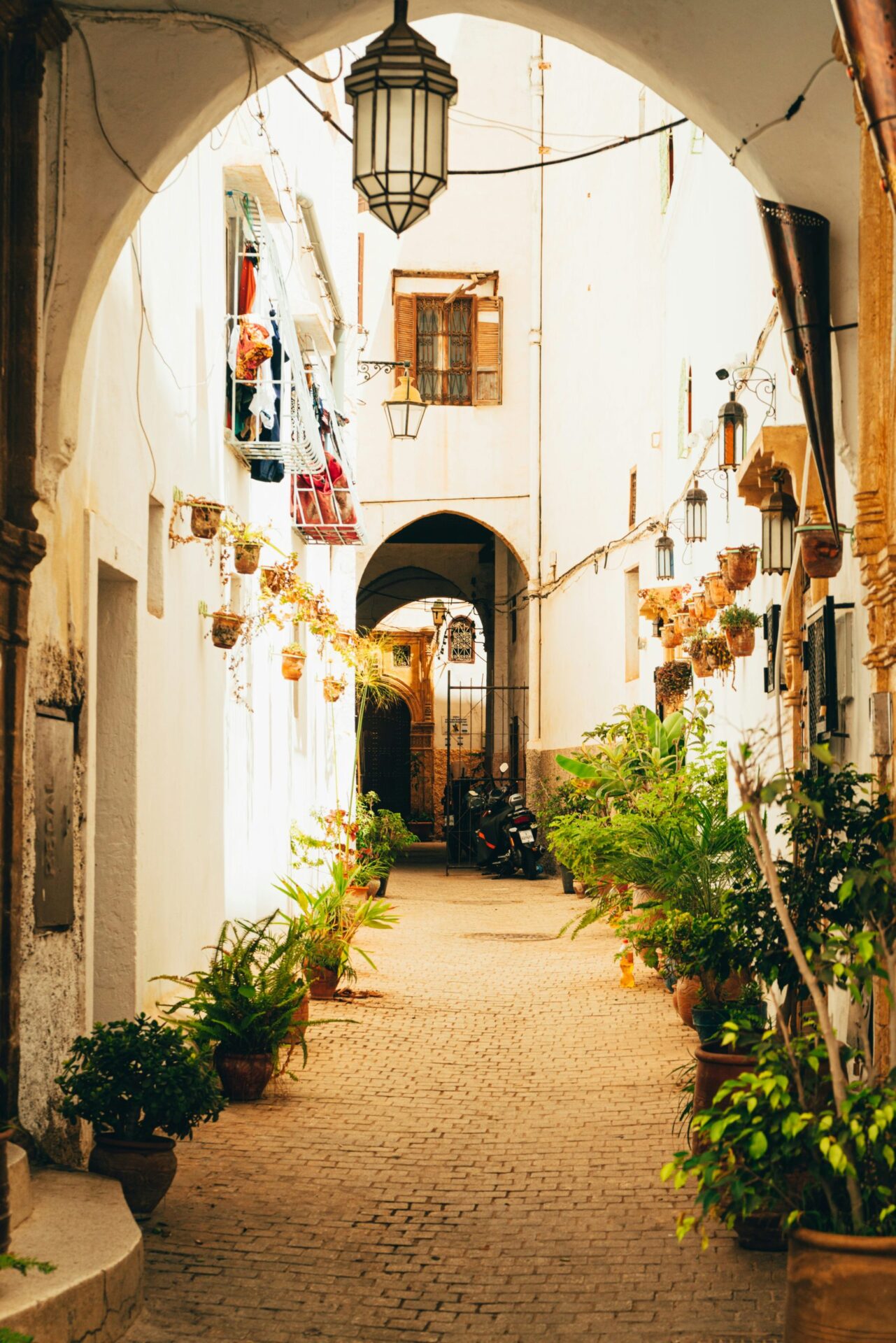
Chefchaouen — the Blue City in the Rif mountains — its narrow streets with blue-washed walls create an extraordinary visual setting, and it is simultaneously a living neighbourhood where real people live. Leave the main streets and explore the inner alleys.
The Sahara — Merzouga and its red dunes — a night in a Bedouin tent under a sky empty of artificial light is an experience that justifies whatever effort it takes to reach it.
Practical note: In Morocco, French is useful if you know it, and Spanish in the north. But even without either, “mzīyan” and a smile are enough to begin.
The Most Powerful Arabic Phrase in Travel
After all these countries and words, here is one sentence that works everywhere — whether you are in Cairo, Dubai, Rabat, or Baghdad:
“Ana baḥāwil ataʿallam ʿarabī” — I’m trying to learn Arabic
This sentence — however broken the pronunciation — does what no translation app can. It tells the person in front of you that you respect their language enough to stumble in it. And an Arab who hears it transforms from a service provider into a teacher on the spot.
When You Don’t Understand — What to Do
Four simple phrases rescue you from any situation:
- “mumkin tuʿīd?” — can you repeat?
- “shwayya shwayya” — slowly, slowly — say it while your hands gesture to slow down
- “mish fāhim / fāhma” — I don’t understand — honest and sufficient
- “uktubha” — write it for me — on the phone or on paper
And one phrase for when something genuinely impresses you:
“mā shāʾ Allāh”
Not religious in everyday usage — it is an expression of awe and admiration. When craftspeople, cooks, and shopkeepers hear it from a foreigner, it is a compliment of the highest order.
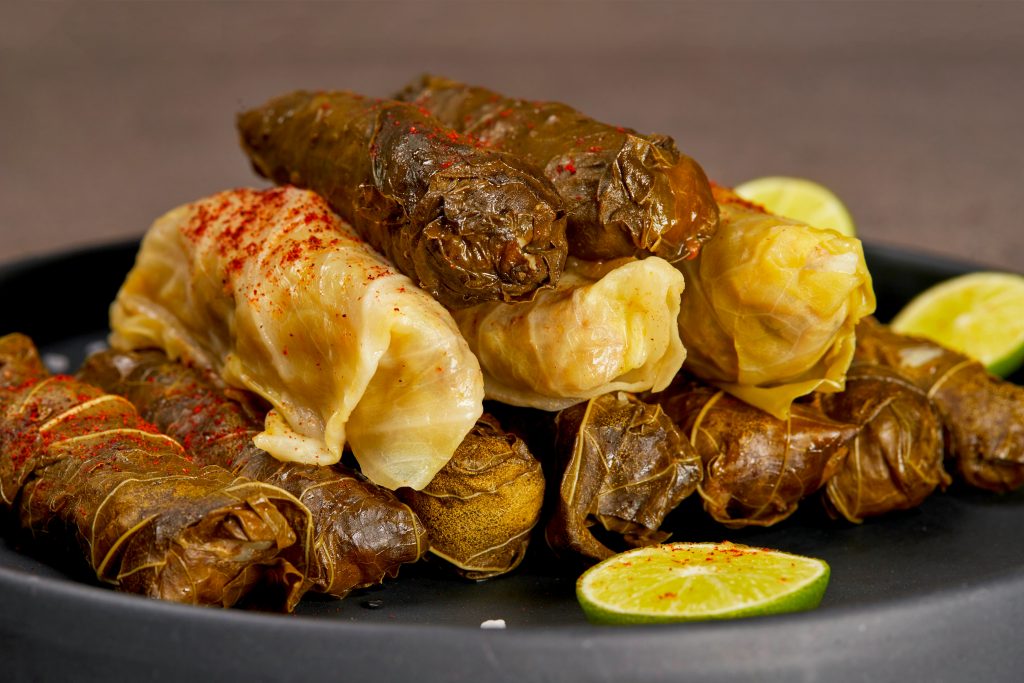
Food — The Easiest Entry into Any Culture
| Country | The Dish | Note |
|---|---|---|
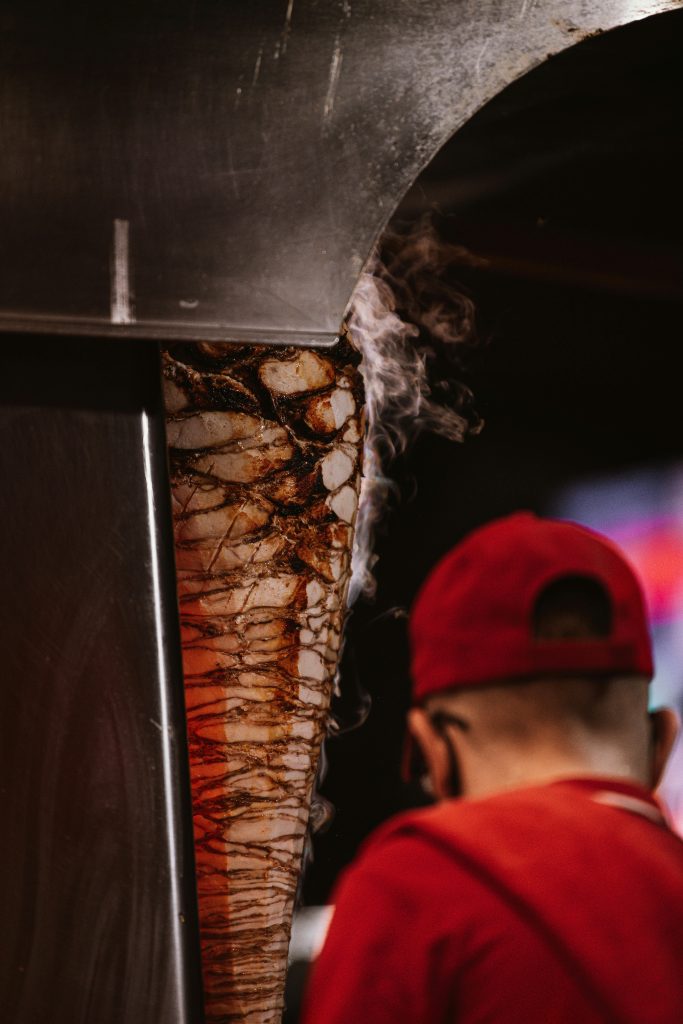
| Egypt | Koshari + street ful and taʿmiya | Don’t order it at the hotel — find a street vendor |
| Lebanon | Full mezze spread + arak | A proper Lebanese meal takes three hours. That is the point. |
| Iraq | Masgouf on the Tigris | Fish grilled on a wood fire in an ancient Babylonian method |
| Saudi Arabia / Gulf | Mandi / Kabsa | Spiced rice with slow-cooked meat — the family gathering dish |
| Morocco | Tagine + Friday couscous | Friday couscous is a social institution before it is a meal |
Closing the Series — What We Learned Together
In eight articles, we travelled from Classical Fusha — the mother of all — through the grammar of the engine, then Egyptian which everyone understands, and Levantine which is sung rather than spoken, and Iraqi which you cannot tell where it ends and the language begins, and Gulf Arabic which carries the pre-Islamic odes in its everyday vocabulary, and Moroccan where the continents meet.
The conclusion is not linguistic — it is human: Arabic is not a solid block — it is a wide family of sounds, histories, and people. And everyone who speaks Arabic in any dialect carries in their mouth layers of civilisation they know little about.
You who have read this series — when you hear an Egyptian say “aywa” or an Iraqi say “shlōnak” or a Moroccan say “bzzāf” — you will know you are not just hearing a colloquial dialect. You are hearing Coptic and Akkadian and Amazigh speaking Arabic.
Every Arabic dialect is Arabic remembering who it used to be.
← Previous: Moroccan Arabic | When Even Other Arabs Get Lost | Back to the first article: Classical Arabic | The Mother Tongue →
Series: Arabic Language & Dialects
From Classical Fusha to Darija — All Eight Articles




Series: Arabic Language & Dialects — Eight articles from Classical Fusha to Darija | Zy Yazan