
The Traveller’s Language Guide | If You’re in an Arab Country
You don’t need to speak Arabic fluently to be welcomed in Arab countries — you need two words with the right warmth. A practical language and travel guide from Cairo to Marrakech.
Good afternoon! ✨ Take a little break and enjoy your time here.
Good afternoon! ✨ Take a little break and enjoy your time here.
Deep analysis of languages: Arabic in all its dialects (Fusha, Levantine, Egyptian, Gulf, Moroccan), other languages, semantics, cultural translation, and language evolution. Content for language enthusiasts, specialists, and translators.

You don’t need to speak Arabic fluently to be welcomed in Arab countries — you need two words with the right warmth. A practical language and travel guide from Cairo to Marrakech.

Moroccans understand you but you cannot understand them. Darija is Arabic layered with Phoenician, Amazigh, French, and Spanish — a language that sounds like its own world.
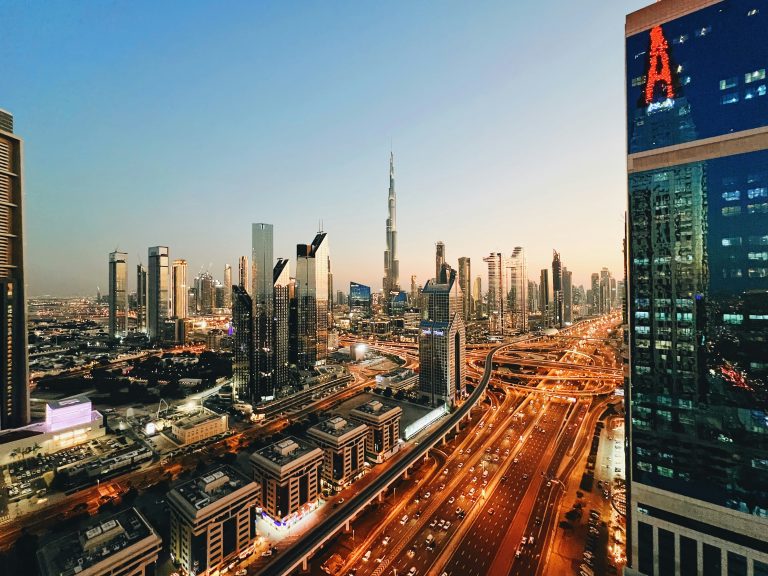
Gulf Arabic is not the language of oil cities — it is the language of the land that predated oil by two thousand years. Words found in pre-Islamic poetry and Dubai cafés simultaneously.

Iraqi Arabic preserves sounds and words that other dialects have let go. When an Iraqi speaks Classical Arabic, you cannot tell where the dialect ends and the language begins.

Levantine Arabic carries layers of Aramaic, Phoenician, Greek, and Arabic. A guide to the softest Arab dialect — and the heaviest in history.

Egyptian Arabic dominates the Arab world not because it is the most beautiful dialect, but because Egypt produced the art that made it live in every Arab home for a century.
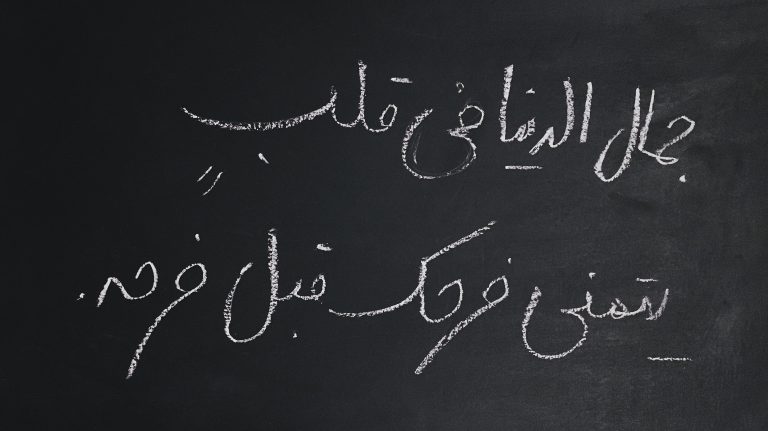
The Arabic sentence starts with a verb. Nouns change form based on their role. The dual has its own form. A clear guide to how Arabic grammar actually works.
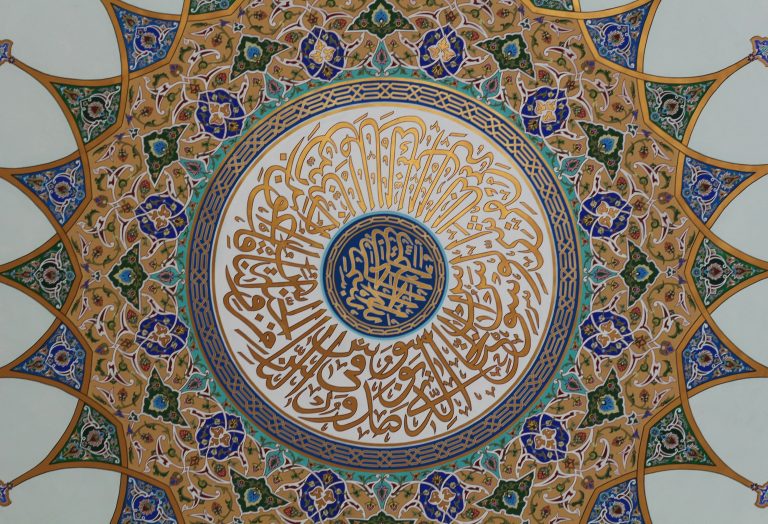
Fusha and colloquial Arabic are not two competing languages — they are two layers of one. Discover the three-letter root system and how dialects were born from history.

Muruwwa is one of Arabic’s most untranslatable words — and tracing its root reveals something no dictionary will tell you about language, gender, and what it means to be human.

Why do we want AI to know us? The final article in “The Machine’s Language” travels from Socrates and the Oracle of Delphi to Nahj al-Balagha to ancient idols — and discovers that the question about AI is, at its heart, a question about the human being asking it.