Hybrid Crafts: Handmade Jewelry, Leather Goods, and Artistic Craftsmanship

Complete guide to starting a hybrid crafts business (jewelry, leather goods, art crafts). Low investment, 100% online work, global sales. Turn your art into income.
Word Count: ~2,500 • Estimated Reading Time: 16 minutes
Hybrid Crafts: Handmade Jewelry, Leather Goods, and Artistic Craftsmanship
Article 7 of the series “Crafts That Resist Automation”
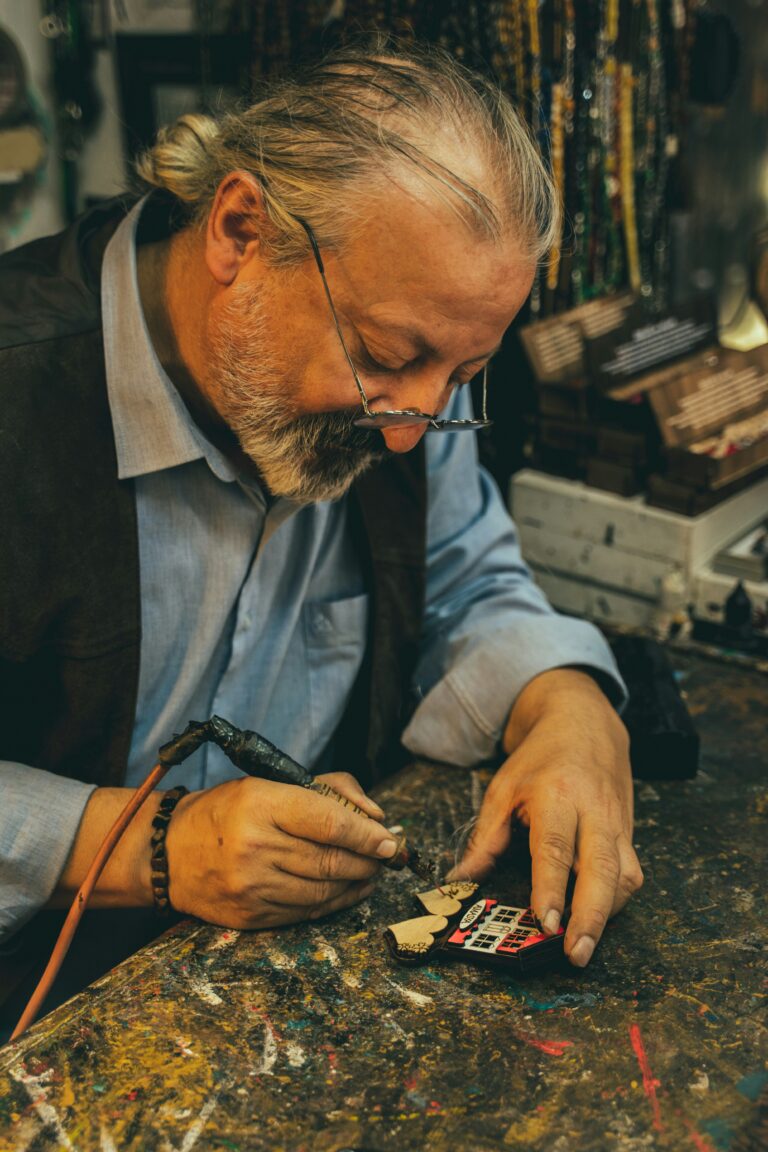
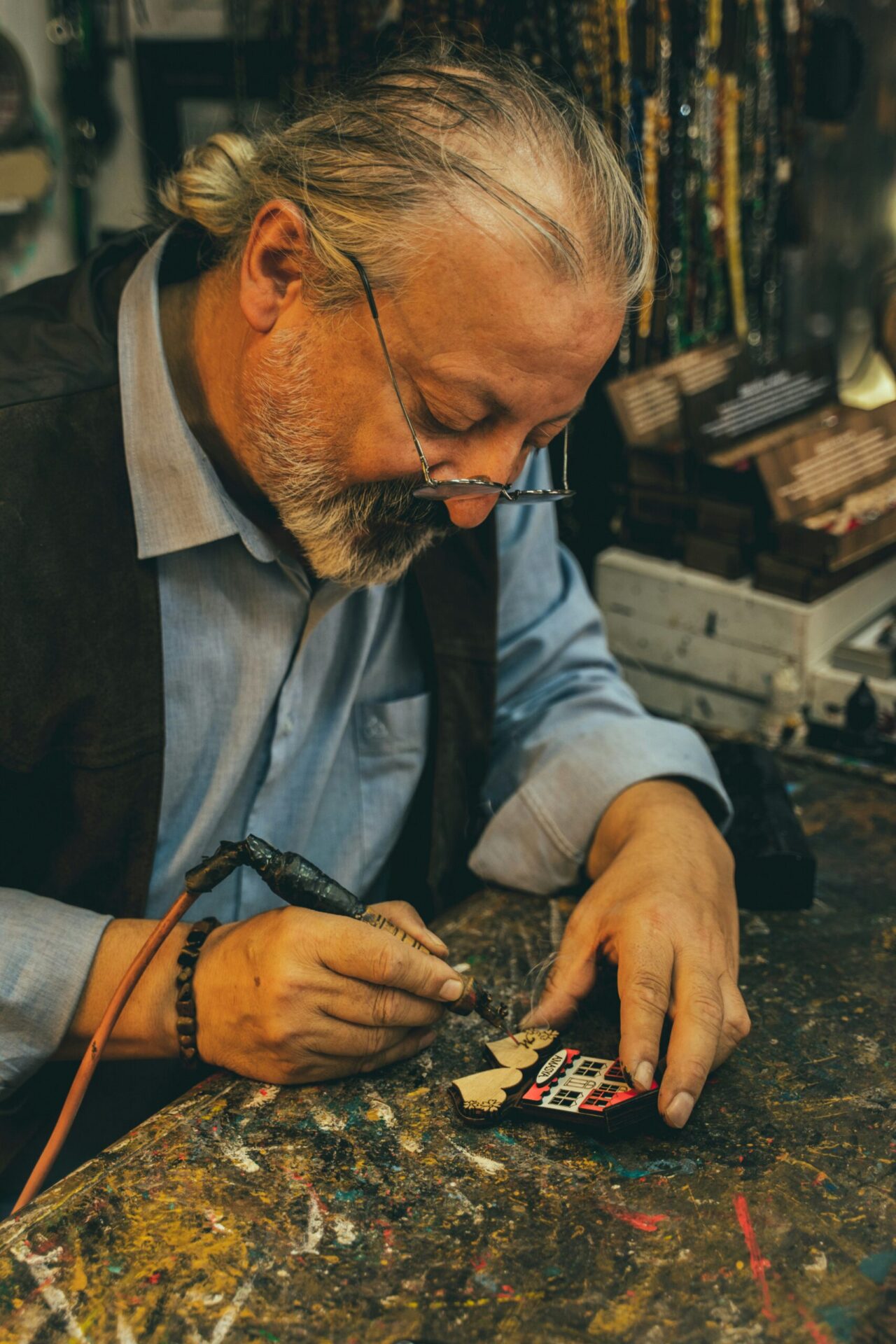
Picture this: a woman wearing a handmade ring crafted with love, or a leather handbag you created yourself, or an artistic painting you engraved by hand, or even a scarf printed with a unique pattern you designed.
These aren’t just “things”—they’re art people wear, give as gifts, or use to decorate their homes.
This is where you come in: a hybrid craftsperson (Hybrid Craftsperson). You combine art, craftsmanship, and commerce.
Hybrid crafts are the bridge between fine art and profitable handwork. You’re an artist who doesn’t rely on galleries alone—you create products people buy every day.
Why Hybrid Crafts Resist Automation
AI might generate an image of “jewelry” with one click. It might produce a “beautiful bag” pattern. But it cannot:
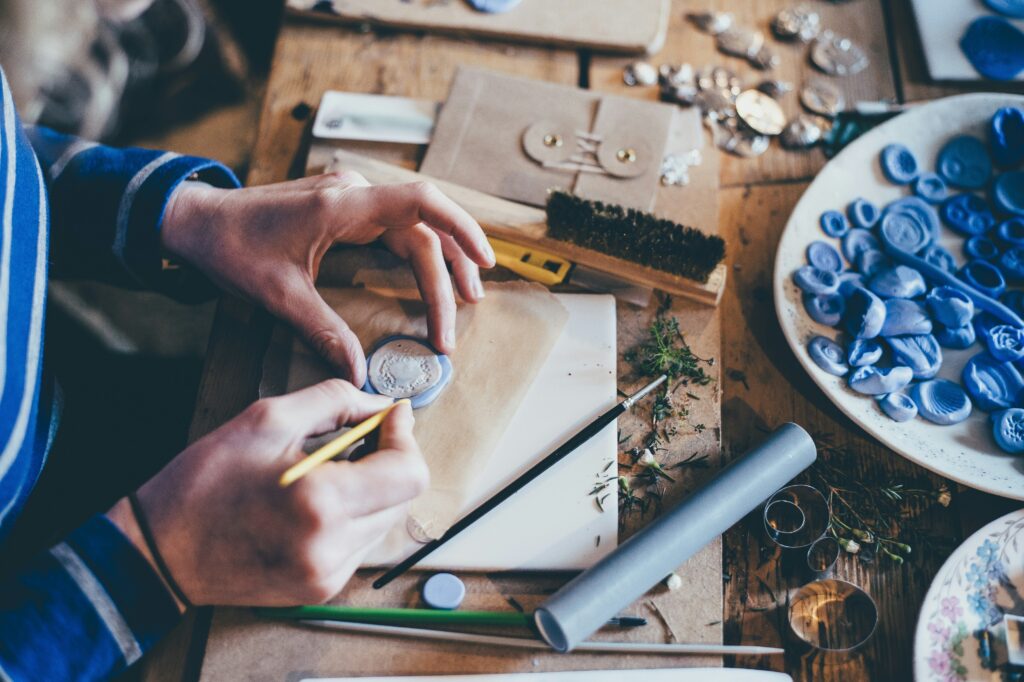
- Create with hands: Each handmade ring is slightly different. Each leather bag is unique. This variation is the beauty.
- Put soul into the object: When you make something by hand, you put “a piece of yourself” into it. People feel this.
- Understand real demand: What designs do people want now? What colors? What sizes? The craftsperson understands the market.
- Adapt quickly: A client says “I want a ring like this but smaller.” A robot needs complete reprogramming. You adjust in minutes.
This is the core: hybrid crafts are about creativity, uniqueness, and emotional connection.
Main Types of Hybrid Crafts
1. Handmade Jewelry (Easiest & Most Demanded)
The most accessible and in-demand:
- Rings and bracelets: Precious metals or brass or silver. Unique designs.
- Necklaces and earrings: Using beads, stones, threads.
- “Bohemian” jewelry: Free, natural, non-traditional designs.
- Custom jewelry: Name engraving or bespoke designs.
Why it’s profitable? Handmade jewelry prices are 300–500% higher than cheap Chinese knockoffs. Because people know the difference.
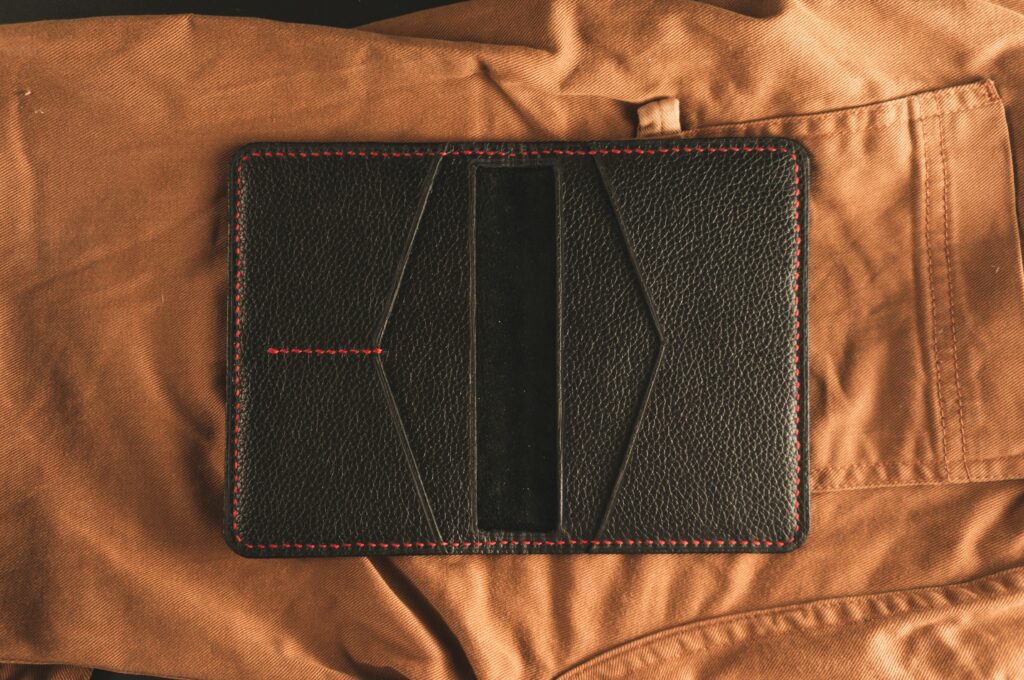
2. Leather Goods (Moderate Difficulty, High Profit)
Medium difficulty, high returns:
- Handbags: Natural leather, precise hand stitching.
- Wallets and belts: Traditional craft, continuous demand.
- Custom leather goods: Name engraving or special dates.
- Modern bags: Contemporary designs with traditional materials.
Why it’s profitable? Natural leather gets more beautiful over time. Clients buy once and keep the bag for years.
3. Other Artistic Crafts
Depending on your skills:
- Engraving and carving: On wood, metal, or glass.
- Hand painting: Artwork or designs on clothing.
- Hand printing: Print designs on clothing and pillows.
- Knitting and sewing: Custom clothing or handmade accessories.
- Hand-crafted decorations: Wall art or small sculptures.
How to Start: Varied Investment
Initial Investment
| Item | Cost (USD) | Notes (By Specialty) |
|---|---|---|
| Jewelry: Tools and materials | $100–$200 | Pliers, drill, thread, beads |
| Leather: Tools and materials | $150–$300 | Leather, needles, strong thread |
| Engraving & carving: Tools | $80–$150 | Chisels, hammer, stamps |
| Hand printing: Tools | $100–$250 | Blocks, dyes, fabric |
| Initial materials (for first project) | $50–$150 | Precious metals or leather |
| Small workspace | $0–$50 | Corner of your room |
| Online training courses | $20–$80 | Udemy and Skillshare |
| Website/Instagram + marketing | $20–$50 | Basics |
| Total (approximate) | $250–$600 | Depends on specialty |
Tip: Start with one specialty only. Jewelry is the easiest and cheapest to begin with.
Training and Knowledge
Watch this educational video on making handmade jewelry for beginners.
Learn through:
- YouTube and Pinterest: Millions of free educational videos and images
- Udemy and Skillshare: Structured courses ($20–$30 each)
- Continuous practice: Every piece teaches you something new
- Joining communities: Facebook groups for craftspeople—share experiences
- Studying other makers: Buy from other craftspeople, study their details
Can You Work Online? (Yes, 80%)
Answer: Yes, most work is online, with minimal physical presence needed.
You need:
- Small workspace: Even a corner of your room works
- Creating products: By hand in your home
But most other work is online:
- Marketing: Instagram, TikTok, video content
- Selling: Etsy, Instagram Shop, or simple website
- Communication: WhatsApp for custom orders
- Shipping: Worldwide delivery (even internationally)
- Delivery: Regular mail or courier
Difference: you create in your home and sell to the whole world. You don’t need a physical shop at all.
Pricing Models and Income
How to Price Your Products?
Depends on specialty:
1. Handmade Jewelry:
- Simple ring: $15–$30
- Complex bracelet: $25–$50
- Unique necklace: $40–$80
- Complete set: $100–$250
2. Leather Goods:
- Leather wallet: $30–$60
- Small handbag: $80–$150
- Large or travel bag: $150–$300
3. Other Crafts:
- Artwork: $20–$50
- Printed clothing: $15–$40
- Wall decoration: $25–$60
Smart strategy: Start with reasonable prices to build reputation, then raise prices 20–30% after 6 months.
Monthly Income Calculation
| Scenario | Products/Month | Avg Price | Revenue | Profit (after materials) |
|---|---|---|---|---|
| Beginner (jewelry) | 8–10 | $20 | $160–$200 | $90–$120 |
| Advanced (3 months) | 20–25 | $30 | $600–$750 | $350–$450 |
| Professional (6–12 months) | 40–50 | $40 | $1,600–$2,000 | $900–$1,200 |
| Elite (full year) | 80–100 | $50 | $4,000–$5,000 | $2,200–$3,000 |
Important note: Profits depend on:
- Cost of materials (less waste = higher margin)
- Production speed (faster = more products per month)
- Demand (unique products = higher prices)
Common Challenges and Solutions
Challenge #1: Intense Competition from Chinese Knockoffs
Solution: Uniqueness and story:
- Unique designs: Don’t copy famous designs. Create your own.
- Tell your story: Who are you? Why do you create? What makes your work different?
- Obvious quality: High-quality photos, professional photography.
- Direct engagement: Quick replies, communication with customers.
Challenge #2: Finding Time for Creating and Marketing
Solution: Time management:
- Dedicated time: For example, mornings for creation, evenings for marketing.
- Batch production: Create 10–15 pieces at once.
- Automate marketing: Schedule Instagram posts in advance.
- Ask for help: After success, hire someone to help with shipping or messages.
Challenge #3: Seasonal Demand Fluctuations
Solution: Diversification and planning:
- Create for different occasions: Holidays, weddings, anniversaries.
- Build inventory: During slow periods, create for busy seasons.
- Watch trends: What are people searching for on Google Trends now?
How to Build Strong Reputation
- Professional high-quality photos: This is your strongest marketing. Photos from different angles, good lighting.
- Process videos: Film how you make the product from start to finish. People love watching creation.
- Product stories: For each product, tell its story. What inspired it? What do the symbols mean?
- Customer reviews: Ask each buyer for a photo with the product and a review.
- Continuous engagement: Reply to comments and messages quickly and warmly.
When Do You Reach Profitability?
- Week 1: Create your first 5 pieces (learning, no sales goal).
- Month 1: Sell 1–3 products ($50–$100 profit).
- Months 2–3: Growth from word-of-mouth and social media ($150–$250 profit).
- Month 6: With followers and reputation ($300–$400 profit).
Hybrid crafts reach profitability at a reasonable pace, especially if you’re active on social media.
First Steps: How to Start
- Choose one craft: Jewelry is easiest to start with.
- Learn from YouTube: 10 hours of educational videos is enough to begin.
- Buy initial materials: Invest just $50–$100 to start.
- Create your first 10 pieces: Don’t worry about selling—focus on learning.
- Photo and upload to Instagram: After 5 pieces, start marketing.
- Engage with people: Reply to comments, explain your process.
- Expand gradually: After 3 months, add new designs or another craft.
Note: More Advanced Hybrid Crafts (More Difficult)
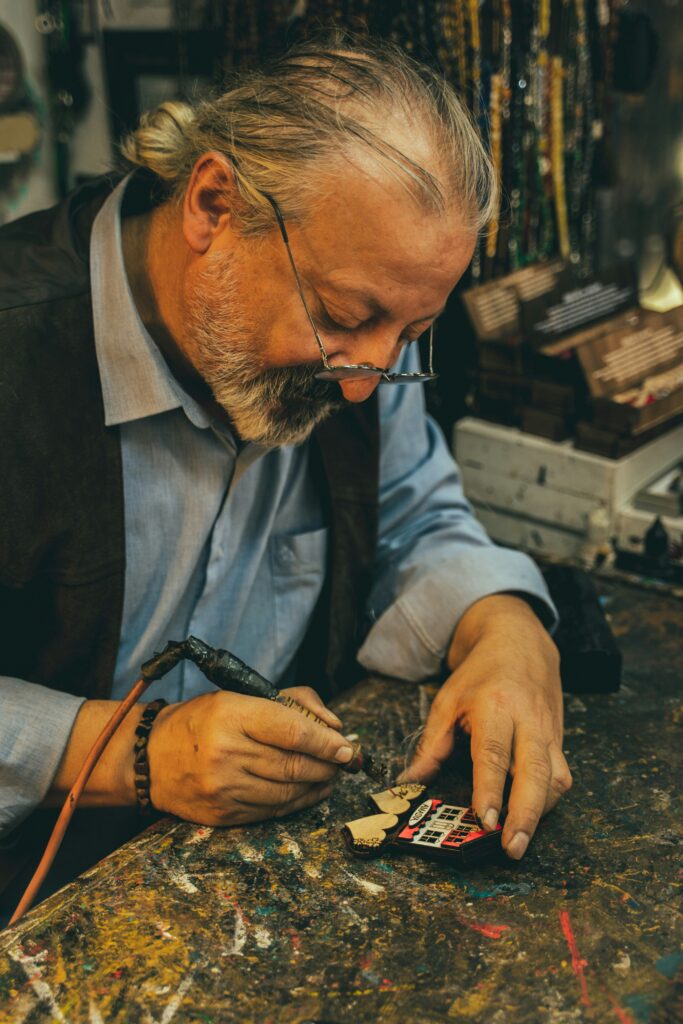
There are many other handcrafts not mentioned in this article—such as ceramic arts, glass blowing, complex weaving on looms, and others. These require years of training, expensive specialized equipment, and large dedicated spaces. We didn’t focus on them in this series. But if you have a deep passion for one, you can start—just first establish steady income from an easier craft.
— Crafts That Resist Automation Series —
Previous Article: Restoration and Upcycling: A Craft That Revives Memories and Builds Profit
Next Article: Bespoke Furniture: The Final and Most Profitable Craft
🔄 Currency Converter
⚠️ Note: Exchange rates are approximate and may differ from actual market rates. Please verify current exchange rates before conducting real financial transactions.
Complete Series
Crafts That Resist Automation — Nine Articles


Series Crafts That Resist Automation — Nine Articles | Zy Yazan