
Fernweh: The Longing for Distant Places
Exploring Fernweh—the German word for deep yearning toward places you’ve never visited, the beautiful ache of absence, and the philosophy of human longing.
Happy Friday! ✨ Wishing you a blessed and peaceful day.
Happy Friday! ✨ Wishing you a blessed and peaceful day.

Exploring Fernweh—the German word for deep yearning toward places you’ve never visited, the beautiful ache of absence, and the philosophy of human longing.

Exploring Panzhi—the modern Chinese cultural phenomenon where youth choose rest over blind ambition and quietly reject workplace pressure through humor and conscious resistance.
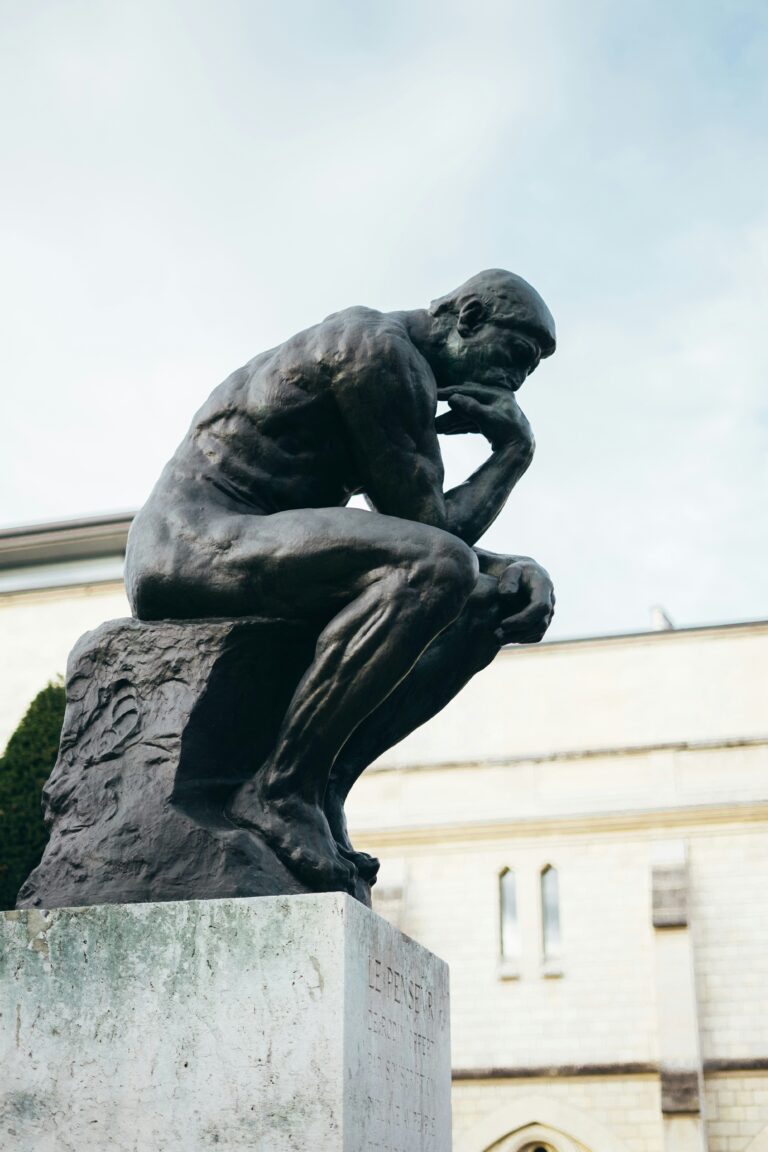
A deep philosophical exploration of machine consciousness through Richard Dawkins’ experience with Claude, dialogue with Grok on AI awareness, and the future of artificial intelligence consciousness.

An in-depth exploration of the Russian concept of “Toska”—an existential sorrow that defies translation, serving as a key to understanding the Russian soul, its geography, and its art.

The UN Women list of the top ten countries that achieved gender equality has ten numbers and no names. The answer: none exist. We explore what that empty list reveals — through philosophy, deep history, and the biology of human nature.

Religion is no longer a matter of private faith or spiritual need. Today it is shaped by geopolitics, packaged as a consumer product, and sold on social media. Walter Stace, a British philosopher who died in 1967, spent his life asking the questions that might still save us from this confusion — if we are willing to listen.
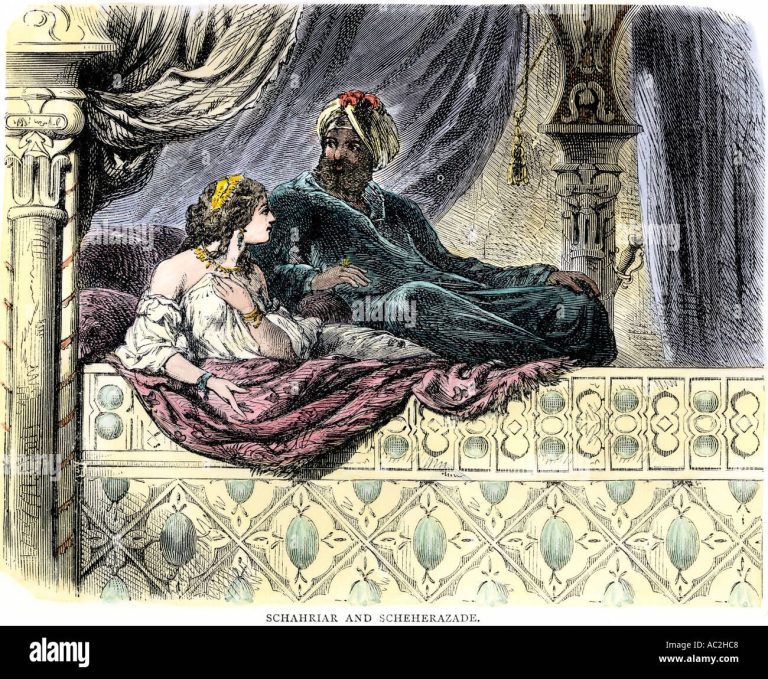
There is a simple question that can open doors we never knew existed: Why does Eastern tradition name its characters after what they mean?
This is not an oversight. It is not coincidence. It is a method — and understanding this method is the real key to entering One Thousand and One Nights, not through the back door of entertainment, but through the front door of thought.
Before we reach Scheherazade, we must first understand the law she operates by.

Seen this way, Plato’s cave is less a moral lesson and more a description of power: not hiding reality completely, but controlling how much of it people are allowed to see. Breaking such a system requires more than light. It requires rebuilding the structure itself, a task that still has no clear future…