Two Words That Open a Heart | The Small Language of the Big Traveler

The closing article of the series — why two words in the local language do what no translation app can. A pocket language guide for every destination: Vietnam, Albania, Georgia, Jordan, Sri Lanka, Romania, Morocco.
In the first article we talked about fear. In the second we opened the map to seven destinations. In this final one we arrive at what many travelers treat as a footnote, but which is in fact the center of the whole experience: language.
Not a full language course. Not even conversational fluency. Something simpler and deeper: learning two or three words in the language of the place you’re visiting. Because those few words send a message no translation app can send: that you came to meet, not only to see.
Why Language, Not Just the App?
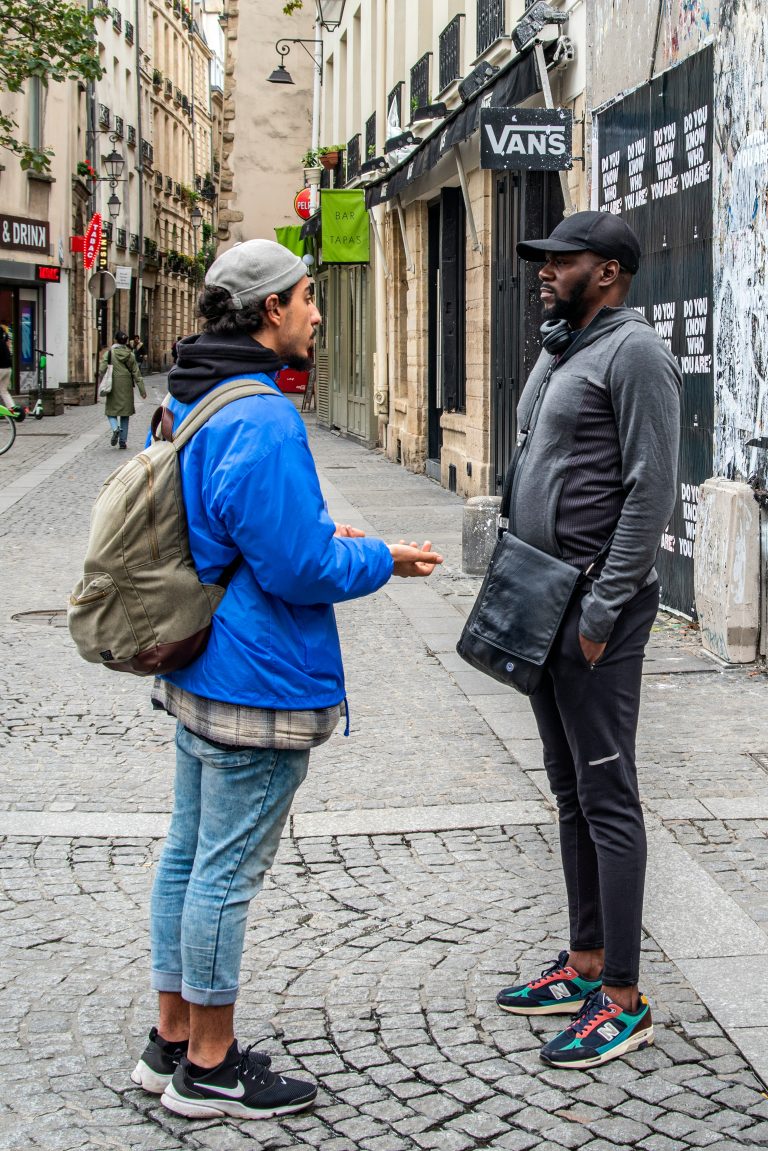
The translation apps we covered in the first article do their work well: they help you read menus, understand signs, navigate practical exchanges. But when you speak a single word in the language of the person in front of you — even imperfectly, even slowly — something different happens. Their face changes. Not because your pronunciation was correct, but because your gesture was: you are not just scenery to me.
Sociolinguists call this the Communication Accommodation Theory — when a speaker makes even a small effort to use elements of their interlocutor’s language, the other person registers it as genuine closeness rather than protocol. This is what the attentive traveler does when they learn «cảm ơn» in Vietnamese or «გამარჯობა» in Georgian before packing their bag.
The tourist photographs. The traveler speaks. And the difference between them, in the end, is what each carries in memory ten years later.
A Pocket Language Guide for Every Destination in the Series
What follows is a handful of essential words and phrases in the language of each destination — written in approximate phonetic pronunciation for easy memorization before travel. For those who want to go deeper into how these languages developed and what makes them distinct, our series on Arabic and its dialects is a starting point for thinking about how languages carry culture.

Vietnamese — Tiếng Việt
Vietnamese is tonal: the same syllable carries different meanings depending on pitch. Don’t worry about getting it right — Vietnamese people appreciate the attempt entirely and expect nothing close to perfection from visitors.
Thank you: «Cảm ơn» — pronounced roughly «Kahm Un». The most important word you’ll learn.
Hello: «Xin chào» — «Sin Chow». General greeting that works everywhere.
Delicious: «Ngon» — «Ngohn». Say it after any street meal and watch what happens.
How much? «Bao nhiêu tiền?» — «Bow Nyew Tyen». Essential in any market.
Albanian — Shqip
Albanian is a standalone Indo-European language — it doesn’t resemble its European neighbors. A few words break a surprisingly large barrier.
Thank you: «Faleminderit» — «Fah-leh-min-deh-reet». Long, but worth it.
Hello: «Tungjatjeta» — «Toong-yaht-YEH-tah». Or simply «Salaam», which is understood.
Beautiful: «Bukur» — «BOO-koor». Works for landscapes, food, and people.
Please: «Ju lutem» — «Yoo LOO-tem».
Georgian — ქართული
Georgian is one of the oldest living languages and its alphabet is completely unique. But Georgians visibly light up when a foreigner tries even a single word.
Thank you: «მადლობა» — pronounced «mahd-LO-bah».
Hello: «გამარჯობა» — «gah-mahr-JO-bah». Difficult but extraordinarily effective.
Cheers / To your health: «გაუმარჯოს» — «gah-oo-MAHR-jos». Say it raising a glass and you will have made a friend.
Delicious: «გემრიელია» — «gem-ree-EH-lee-ah».
For those curious about how AI handles non-English languages — and whether translation tools truly think in your language or default to English — our article on that exact question is worth reading (See our article: Does AI Think in Your Language, or Is English Its Mother Tongue?).
Arabic (Jordanian Levantine) — For the Non-Arabic Speaker
In Jordan, Arabic is the daily language of everything. A few words of Levantine Arabic open doors that no amount of pointing will. If Arabic is already your language, our full guide on navigating Arab cultures as a traveler goes much further (See our article: If You’re in an Arab Country | The Traveler’s Language Guide).
Thank you: «Shukran» — universally understood and immediately appreciated.
Welcome / You are welcome: «Ahlan wa sahlan» — you’ll hear it constantly; returning it will be remembered.
Thank you (warmer, informal): «Yislamu» — a Levantine expression of gratitude; say it after any service.
God give you strength: «Allah ya’tik al-‘afiyeh» — a phrase of genuine warmth. Even said slowly, with a smile, it lands perfectly.
Sinhala and Tamil — Sri Lanka
Sri Lanka has two official languages: Sinhala in the south and west, Tamil in the north and east. English is widely spoken, but one word in Sinhala will be remembered far longer than any amount of English.
Thank you (Sinhala): «ස්තූතියි» — pronounced «stoo-tee».
Hello: «ආයුබෝවන්» — «aa-yoo-bo-wan». A Buddhist greeting meaning “may you live long.” It carries warmth that goes beyond hello.
Delicious: «රසයි» — «rah-say».
Romanian — Română
Romanian is a Latin language — someone who knows Spanish or Italian will recognize a great deal immediately. This makes it one of the easier languages in the series to pick up a few words from.
Thank you: «Mulțumesc» — «mool-tsoo-MESK».
Hello: «Bună ziua» — «BOO-nah ZEE-wah».
Please: «Vă rog» — «vuh rog».
Very beautiful: «Foarte frumos» — «FWAHR-teh froo-MOHS». You will use it in Brașov.
Moroccan Arabic (Darija)
Darija is a beautiful mixture of Arabic, Amazigh, French, and Spanish — layered in a way that can surprise even native speakers of Modern Standard Arabic. Our full article on the dialect explains the history behind this richness (See our article: Moroccan Arabic | When Even Other Arabs Get Lost).
Thank you: «Shukran» or «Baraka Allahu fik» — both understood, both appreciated.
How are you? «Labas?» — the standard opener. Answer «Labas, l-hamdullah» and you’re in.
Delicious: «Bnin» — you will need this at every meal.
How much? «Bsh-hal had shi?» — in any souk.

How to Learn These Words Before You Leave
No language course required. What you need is thirty minutes, a week before departure. Write the five most important words on a small card, review it daily. When you arrive, use them — even badly. The error is part of the message. It says: I tried.
Duolingo offers free lessons in Vietnamese, Romanian, and Georgian. YouTube carries dozens of short clips on «20 essential words» in almost any language. And the translation apps already on your phone can speak any word aloud in a native voice — use that feature to learn pronunciation, not just meaning.
For anyone interested in how to learn any skill faster, our article on AI-assisted self-learning offers a method that applies well beyond language (See our article: AI for Self-Learning | How to Learn Any Skill in Half the Time).
Closing the Series
Three articles, one thread: the solo traveler is not someone doing something exceptional. They are someone who decided to take the experience seriously enough to plan for it, and lightly enough to leave room for surprise.
The fear that protects stays with you — that is as it should be. The fear that traps usually retreats after the first day. The map we drew holds seven places that are genuinely waiting. And language — language is the small door that opens the largest rooms.
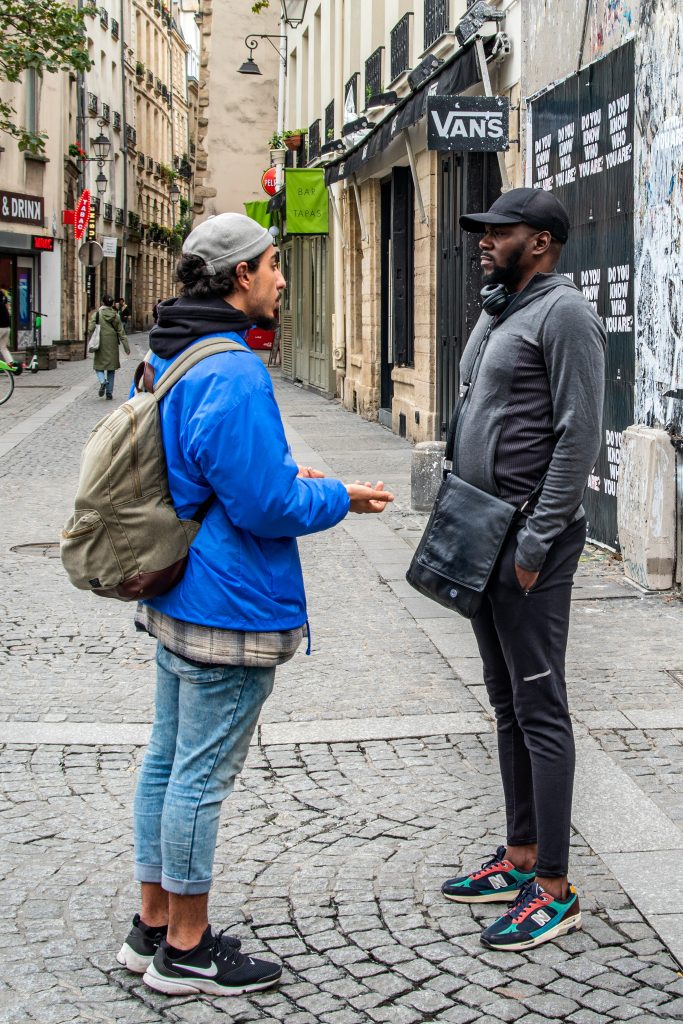
“Thank you” in the language of the person in front of you does not mean you know their language. It means you saw them. And that — in every culture and every country — is enough.
References and Further Reading
— Giles, H. (1973). Accent mobility: A model and some data. Anthropological Linguistics, 15(2), 87–105. (Original source on Communication Accommodation Theory.)
— Duolingo Efficacy Research Overview, 2020 — internal study on short-session language learning effectiveness.
— (See our article: If You’re in an Arab Country | The Traveler’s Language Guide) — Zy Yazan.
— Arabic dialect series: Classical Arabic, Levantine Arabic, Moroccan Arabic — Zy Yazan.
Solo Traveler Guide
From Fear to Map to Language — Three Articles



Solo Traveler Guide — three articles from fear to map to language | Zy Yazan