
Third Generation Web: Introduction to Web3 Website Design and Decentralized Applications (DApps)

What makes Web3 different from everything we have learned? Understand the architecture of decentralized applications, connecting crypto wallets, and designing interfaces that fit the identity of the new internet—for the designer, not the programmer.
Word Count: ~1900 · Reading Time: 10 minutes
Web3 for Designers
When the server stops being the center of power — and the user becomes the owner
Note to Reader: This is a foundational article introducing the world of Web3 from a designer and web developer perspective. If you are looking for the practical and financial side: how to earn from Web3 as a freelancer, how to set up a wallet, and what DAOs are, we have two specialized series linked later in this article.
Throughout our journey, a silent third party has always been present: the server. Your files live on a hosting company’s server, your user data sits in your database, and everything you publish depends on infrastructure you rent. Web3 asks a radical question: What if there is no central server at all? In this article from Zy Yazan Platform, we will explore what makes Web3 different, how its applications are built, and what web designers need to know to work in this space.
Three Generations — The Story of the Internet in One Paragraph
The first generation (Web1) was the read-only internet: static pages you could read but not interact with. The second generation (Web2) is today’s internet: Facebook, X (Twitter), and YouTube, where you read, write, and share, but massive corporations own everything you produce and decide who sees it and when. The third generation (Web3) is a shift toward an internet where you actually own your data and content, backed by code rather than terms of service that can change at any time.
The core idea: Instead of storing data on a corporate server, it is stored across a distributed network of thousands of computers worldwide, which no single entity controls. This is called the blockchain, a shared ledger that cannot be forged because copies of it exist everywhere simultaneously.
Web2 vs. Web3 — From a Designer’s Perspective
The difference is not just philosophical — it directly impacts user interface (UI) and user experience (UX) design:
| Element | Web2 (Today) | Web3 (New) |
|---|---|---|
| Authentication | Email + Password | Connecting a digital wallet |
| Data Ownership | The platform provider | The user themselves |
| Data Storage | Centralized server | Distributed network (Blockchain / IPFS) |
| Payments | Credit Card / PayPal / Bank | Direct cryptocurrency transactions |
| Governance | Corporate board decides | User community votes (DAO) |
What is a Decentralized Application (DApp)?
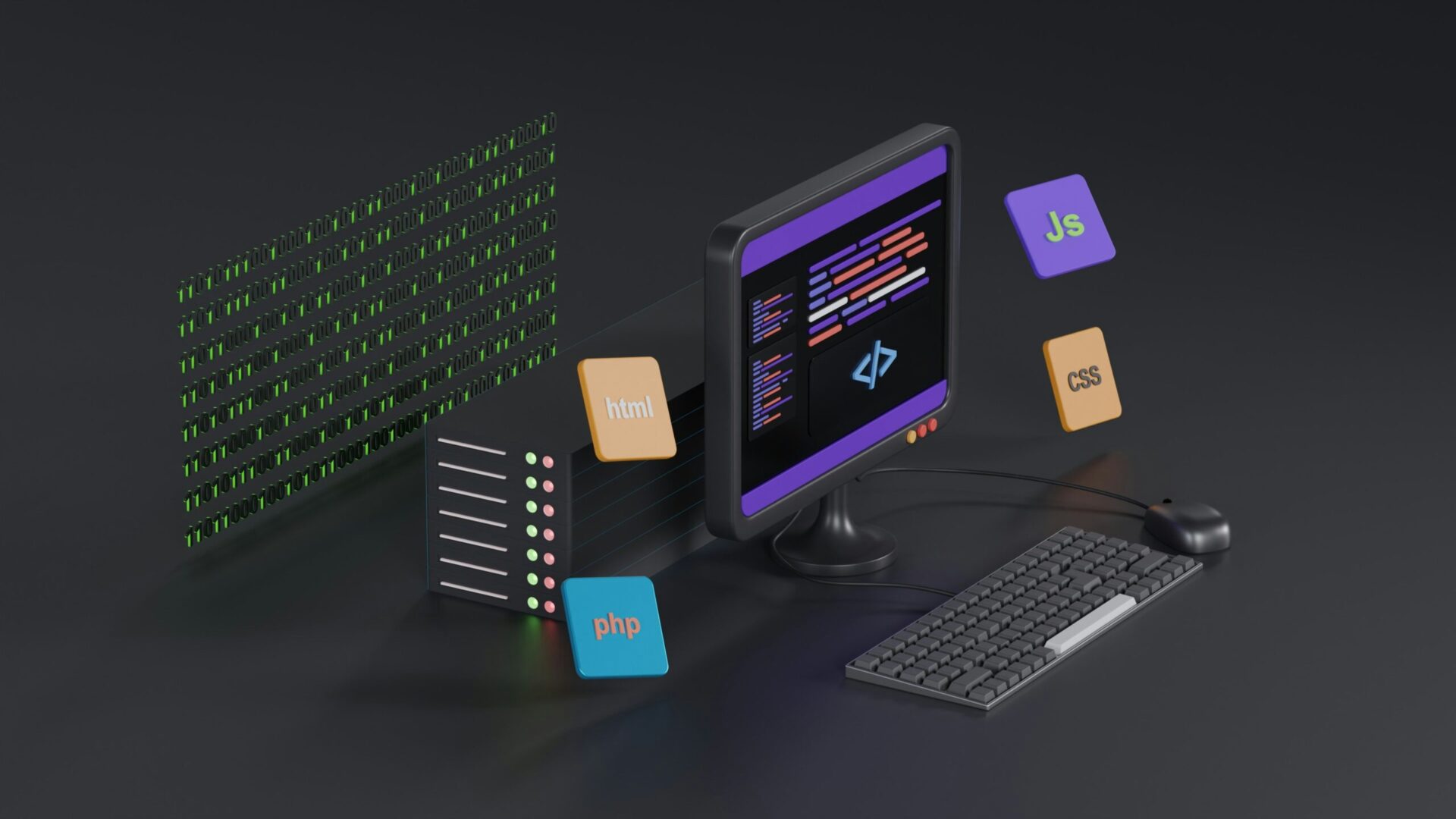
A Decentralized Application (DApp) is a web application with a familiar frontend — built using standard HTML, CSS, and JavaScript — but its backend does not run on a traditional server. Instead, it interacts with smart contracts running on the blockchain.
A smart contract is a program stored on the blockchain that executes automatically when specific conditions are met. Think of it like a digital bank teller that never takes a holiday, cannot be bribed, and never ignores instructions. Once written and deployed to the blockchain, it runs exactly as programmed, and no one — not even its creator — can alter its rules.
Wallet Connection — The Web3 “Login”
In Web2, you log in using an email and a password managed by a third-party company. In Web3, your digital identity is your crypto wallet, a unique address on the blockchain to which you alone hold the private key. When you visit a DApp, you will see a “Connect Wallet” button instead of “Sign Up”.
The most popular wallets today include MetaMask (as a browser extension) and mobile apps like Trust Wallet. The DApp frontend connects to these wallets via JavaScript libraries like ethers.js or web3.js, which handle communication with the blockchain on your behalf.
From a UX perspective, this presents a real challenge: many people do not own a crypto wallet or know how to create one. This is why Web3 designers focus heavily on onboarding experiences, guiding new users step-by-step before they access the actual application. This makes DApp interface design both more complex and more creative than traditional web design.
The Web3 Design Aesthetic
If you browse major Web3 applications, you will notice a common visual pattern: dark modes, gradients of blue, purple, and neon green, fluid geometric icons, and futuristic typography. This is not accidental; it is a visual identity designed to tell users, “You are in a different space.”
However, the best Web3 applications today are moving past these visual clichés toward more mature user experiences. They mirror Web2 apps in clarity and ease of use while keeping structural elements that express decentralization. The goal is straightforward: combining UX clarity with a visual identity that reflects core Web3 values.
Three Things You Need to Build a Simple DApp Interface
If you want to try building your first decentralized user interface, here is what you need:
1 — The Standard Frontend: HTML, CSS, and JavaScript. This is exactly what we have covered in this series.. nothing changes here.
2 — A Blockchain Provider Library: ethers.js is currently the most popular and straightforward choice. You add it to your project to verify user identity, read data from smart contracts, and send transactions.
3 — A Deployed Smart Contract: These are typically written in Solidity (the language for smart contracts on Ethereum). Writing smart contracts is a specialized field, but as an interface designer, you can work with contracts written by backend or blockchain developers.
A Web3 interface designer does not need to write smart contracts, just as a Web2 UI designer does not need to write server-side databases. The roles are distinct, and collaboration is the norm.
Is Web3 the Future or Just a Bubble?
This is an important question. The reality is more nuanced than a simple yes or no. Some Web3 applications solve genuine issues, particularly in cross-border payments, digital ownership, and decentralized finance (DeFi) for people without access to traditional banking. Other projects are purely speculative, wrapped in revolutionary rhetoric.
What matters to you as a designer or web developer is that this technology exists, clients are actively commissioning interfaces for Web3 projects, and the job market is real. Understanding it expands your options, regardless of your personal philosophy on the technology.
Further Reading — Three Specialized Series
This article serves as an introduction from a web design viewpoint. We cover Web3 from different angles across our platform:
First – For Freelancers and Digital Creators: The Open Web3 series starts with blockchain basics and covers NFTs, DeFi, and play-to-earn models, concluding with a practical roadmap. It includes a dedicated piece for users in countries with financial restrictions: Web3 for a Restricted World.
Second – For Translators and Localization Professionals: We show how to translate metaverse, blockchain, and AI agent terminology into Arabic with consistency and clarity: The Localization Workshop for Web 3.0 and AI Applications series.
Third – From a Philosophical and Cultural Angle: The Silicon Cave series asks if the metaverse is Plato’s new cave: Who builds it? Who rules it? And can we leave it? A different perspective on the digital space.
Summary and Next Steps
Web3 is neither pure hype nor an overnight revolution. It is an alternative model for building applications that shifts control from centralized servers to distributed networks, requiring designers who understand its specific needs. The advantage is that the core tools remain HTML, CSS, and JavaScript, with an added layer for blockchain communication.
Recommended Next Step:
We have reached the final part of our web design guide, which serves as a new starting point: How does a web developer operate in 2026 with AI as an everyday partner? The Web Developer in 2026: How to Build and Code Your Website Entirely with AI Assistance.
References and Sources:
- ethers.js Documentation: ethers.js Documentation
- Introduction to DApps from ethereum.org: Ethereum Developer Docs
- Our practical series: Blockchain Basics Without the Hype
— Web Website Design Guide —
Previous Article: 12- Dynamic Websites
Current Article: 13- Web3 for Designers
Next Article: 14- The Web Developer in 2026
Similar Series: Blogging Guide | Multimodal Blogging Workshop | SEO Guide
Zy Yazan Platform © 2026
Freelancer Workshops
Web Design Guide — 14 Articles






Series Web Design Guide — 14 Articles | ZYYAZAN Platform © 2026