
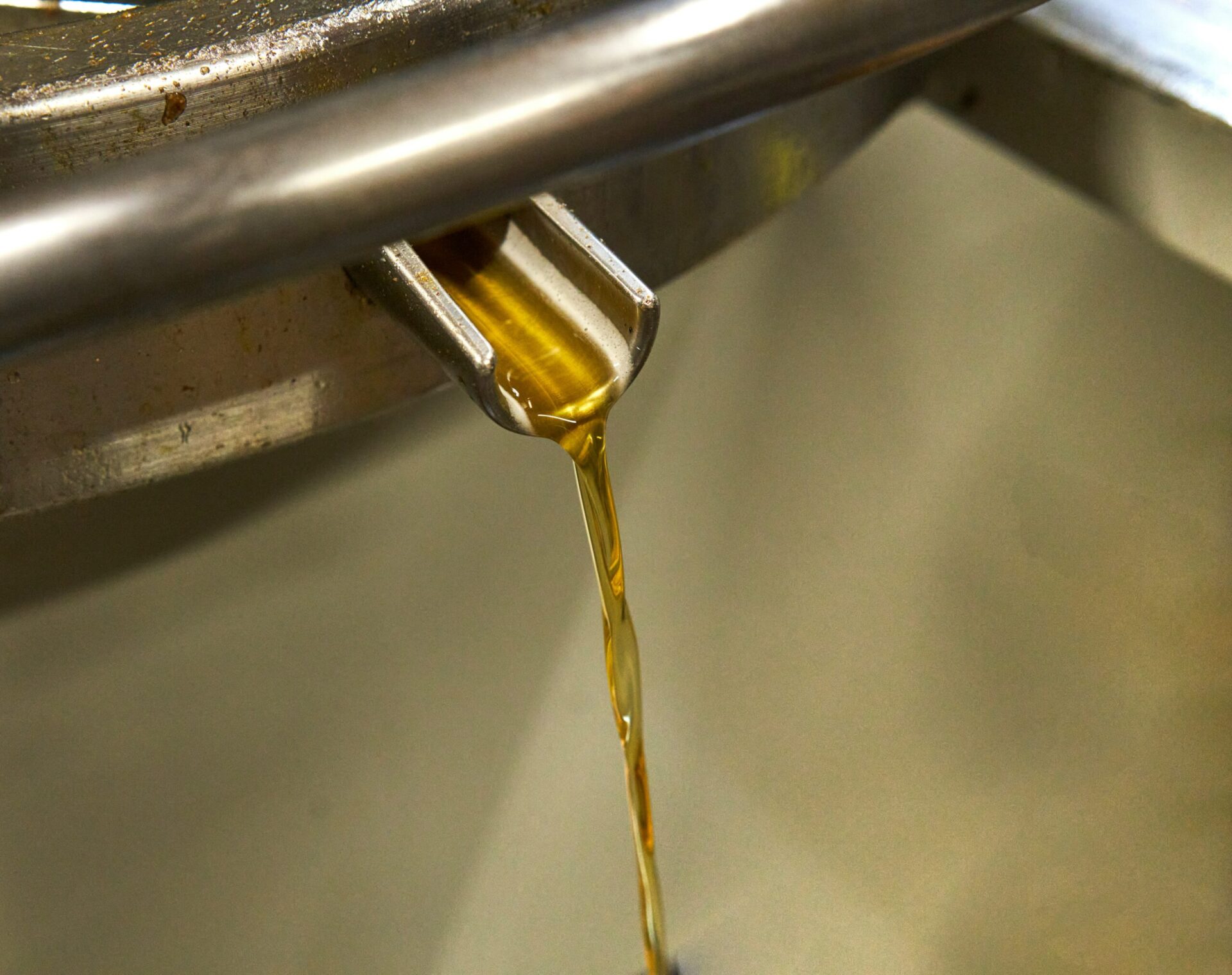
Oil Extraction from Local Seeds (Olive, Sesame, and Other Seeds) – Income from the Crop

Learn how to extract oil from local seeds. A high-value product that generates $250-$1,450 per batch and a monthly income of $600-$4,500.
Oil Extraction from Seeds: Income from Local Crops
The 9th article of 12 in the Micro-Businesses Series | Survival Economics
We look for projects that turn raw crops into higher-value products. Extracting oil from seeds is an ancient, simple, yet highly profitable process. Olive, sesame, sunflower, peanut, flax, and dozens of other seeds all work. Oil is always in demand, and prices are high.
Why Is Oil Extraction Highly Profitable?
The financial strength of an oil extraction project lies in its ability to create high added value from local raw materials. Raw crops like sesame and sunflower remain low-cost compared to the market prices of their cold-pressed natural oils, which sell for $3 to $15 per liter. Furthermore, oils are strategic, stable products that can be stored for long periods. Demand is permanent across cooking, alternative medicine, and cosmetics sectors. You also get secondary income by selling the pressing leftovers (oil cake) as protein-rich animal feed. Even though we are talking about a single craft—pressing—there is a fundamental technical difference that business owners must understand to avoid losses and choose the right equipment:
- Olive Oil (Mechanical Specifics): Olives are moist, soft fruits containing both water and oil. They require a mini-production line based on crushing and hydraulic pressing. This equipment is designed specifically for olives and cannot be used to press dry seeds directly, as it will get damaged or fail to extract a single drop of oil.
- Dry Seed Oils (Shared System): Other crops like sesame, sunflower, and peanuts are hard, completely dry seeds. They share an entirely separate production line that relies on a small screw press.
Based on this difference, this practical guide shows how to combine both systems into one project. This allows you to run the olive press during its short season and keep using the screw press for other seeds during the rest of the year to secure a steady cash flow, or specialize in just one type based on your local environment.
Required Resources (Market Testing Phase at Lowest Cost)
Before risking large sums of money, beginners can start with a micro-pilot model costing no more than $100 to $250. This lets you test the oil quality of hard seeds and understand the market without financial risk.
- Raw Seeds (for the trial launch): Sesame, sunflower, peanut, flax, and black seed. (Crucial note: Olives are completely excluded here, as home machines cannot handle them).
- The Press: This refers to a small home screw press. It comes either as a manual hand-crank model or a small electric version resembling a home meat grinder. It costs between $50 and $200 and is sufficient to produce a few liters per day at excellent quality.
- Collection Vessels: Glass jars or small stainless steel containers (available in any home).
- Filtration Strainer: Fine cotton cheesecloth or fine cloth strainers to filter out impurities from the pressing process.
- Seed Preparation: Use sunlight (free of charge) to dry the seeds completely before pressing to ensure the oil does not spoil later.
This phase is highly secure. If you succeed in selling the first samples and gain acceptance in your local community, you can confidently move to a larger step. Remember, this does not apply to olives.
First: Olive Oil
Olive oil (green gold) is the most valuable and highly demanded product. It serves as a cornerstone of survival economics in regions famous for growing it. Olives differ from dry seeds because the fruit is moist and contains water and oil, requiring a specific handling method.

Resources:
- Fresh olives (recently harvested).
- Crushing and pressing tools (a mortar and millstone for traditional home production, a small hydraulic press, or a semi-automated production line for small projects).
- Stainless steel or earthenware vessels for storage (avoid plastic and iron).
Practical and Scientific Steps for Pressing:
Step 1: Sorting and Cleaning: Remove leaves, twigs, and dirt. It is best to press within 24 to 48 hours of harvesting to maintain oil quality and prevent fermentation.
Step 2: Washing: Wash the fruits with clean water to remove dust, without drying them.
Step 3: Crushing and Mashing (Essential): Grind the whole fruits (with or without the pits) until they turn into a cohesive paste. Historically, this was done with stone mills, while small projects use small metal grinders.
Step 4: Malaxation (Kneading): Stir the paste slowly for 30–45 minutes. It can be warmed using a warm water bath not exceeding 30°C to increase fluidity. This step gathers small oil droplets into larger ones.
Step 5: Pressing: The paste is placed onto fiber discs (pressing mats) and squeezed using a press. A liquid consisting of oil and vegetation water emerges.
Step 6: Separation and Settling: The liquid is left to settle in deep vessels. The oil floats to the top, while the black water sinks to the bottom due to its higher density. The oil is carefully skimmed from the top (decanting and filtering).
Productivity and Income (Based on Economic Reality):
- Production Rate: Every 100 kg of fresh olives yields an average of 18 to 22 liters of oil, depending on the variety and rainfall levels.
- Feasibility Calculations (Survival Economics): A small project here relies on providing a pressing service in exchange for a percentage of the oil (usually ranging between 8% and 10% of the produced oil), or buying local harvested crops at wholesale prices to press them, ensuring a stable profit margin that covers equipment operating costs.
It is the most valuable and highly demanded oil. If your country has local olives, this should be your first project.
Equipment Costs and Investment Future:
- To start within a survival economics framework at minimal risk, a semi-automated micro-model requires capital between $400 and $1,200. This includes buying a small electric grinder to mash the fruits, a manual or small electric hydraulic press, and a set of pressing mats and stainless steel vessels for filtration and storage. Since the olive season is short (lasting no more than 3 months), this micro-model recovers its full capital within one to two seasons at most, provided the equipment runs at full capacity to serve neighboring farmers or press local crops for sale.
- Expansion Plan: Moving from a semi-automated model to an integrated automated line (costing between $4,000 and $7,000) should not rely on olive season profits alone. The turning point and capability to expand come after two years of continuous work by following a year-round operation strategy: Outside the olive season (9 months), use the same press and grinder to process seeds available throughout the year, such as sesame, peanuts, and black seed.
- Capital Accumulation: Continuous returns from other seed oils cover living expenses, while net profits from the olive seasons are saved to finance the purchase of a modern automated line. With this approach, the project transforms from a temporary survival tool into a sustainable production line that grows through its own profits.
Second: Sesame Oil
A premium, medicinal oil with high nutritional and economic value. Sesame is available year-round and can be stored for long periods, making it the main driver of the project outside the olive season to secure a sustainable income.
Resources:
- Local sesame seeds (clean and dry).
- Pressing Tool: A small screw press suited for home use, or using the same olive grinder and press after turning the sesame into a paste (tahini).
- Fine cloth or cotton strainers to purify the oil.
Practical and Scientific Steps:
Step 1: Sifting and Cleaning: Filter the seeds from impurities, dust, and small pebbles using fine sieves, as sand damages the machines and alters the oil’s taste.
Step 2: Roasting and Conditioning (Essential): Roast the sesame lightly over low heat to reduce moisture and make oil separation easier (this yields a dark oil with a strong flavor). To obtain cold-pressed sesame oil, spray the seeds with a very light mist of water without roasting to moisten the hull and ease the mechanical pressing process.
Step 3: Pressing (Continuous Feeding): Feed the seeds into the hopper of the screw press. The machine exerts massive pressure on the seeds, forcing pure oil out from one side, while the compressed waste (sesame oil cake) emerges as dry flakes from the other side.
Step 4: Filtration and Settling: Leave the resulting oil in deep vessels for 48 hours to let fine impurities settle to the bottom, then pass it through a fine cotton cloth to obtain a completely pure golden oil.
Productivity and Income (Based on Survival Economics):
- Production Rate: Sesame is among the richest seeds in oil. Every 100 kg of clean sesame yields about 40 to 45 liters of pure oil, depending on seed quality.
- Realistic Feasibility Calculations: Cost: Purchasing 100 kg of local sesame ranges globally and locally between $150 and $250.
- Selling Price: A liter of pure sesame oil sells for $8 to $15 depending on the local market, making the total revenue from a batch close to $320 to $600.
- Added Value (Oil Cake): The pressing residue (oil cake) is sold as high-protein feed for livestock and poultry, providing additional income that covers electricity and operating costs.
- Actual Net Profit: Ranges between $120 and $300 per 100 kg, which is an excellent margin for a home project.
Third: Sunflower Oil (The Healthy Golden Oil)
An excellent choice for micro-projects due to the ease of cultivation and high yields locally. The competitive advantage here in survival economics is offering natural, cold-pressed, chemically unrefined oil—a product sought after by health-conscious consumers as an alternative to commercial hydrogenated oils.
Resources:
- Black sunflower seeds (intended for pressing) that are completely dry and clean.
- Pressing Tool: The same screw press used for sesame.
- Glass or stainless steel vessels for filtration and packaging.
Practical and Scientific Steps:
Step 1: Sifting and Preparation: Clean the seeds from impurities, twigs, and small stones to prevent clogging the screw press.
Step 2: Partial Hulling (Optional but Recommended): Pass the seeds through a simple huller to remove part of the black outer hulls. This step prevents the hulls from absorbing oil during pressing, giving the oil a clear golden color and a light flavor.
Step 3: Continuous Mechanical Pressing: Feed the seeds into the screw press. Adjust the press to cold pressing to ensure vitamins and natural oil properties are preserved. Oil exits from one side, while hulls and compressed waste (oil cake) exit from the other.
Step 4: Settling and Filtration: The extracted oil contains some foam and fine sediments. Leave it to settle in a filtration tank for 72 hours until the dregs sink to the bottom, then pass it through fine cloth filters so it is ready for packaging.
Productivity and Income (Based on Survival Economics):
- Production Rate: Black oilseeds produce between 35 and 40 liters of pure oil per 100 kg of seeds.
- Realistic Feasibility Calculations for the Micro-Project:
- Seed Cost: Buying 100 kg of raw oilseed locally costs between $40 and $70 depending on the season and country.
- Selling Price: A liter of natural, cold-pressed sunflower oil sells for $3 to $5 per liter, bringing total oil revenue to roughly $120 to $200.
- Secondary Return (Oil Cake): Sunflower oil cake resulting from pressing is highly rich in protein and is sold to livestock and poultry farmers as premium feed, adding around $10 to $15 per batch.
- Actual Net Profit: Ranges between $80 and $140 per 100 kg, an excellent return given the low cost of raw materials and rapid capital turnover throughout the year.
Fourth: Peanut Oil
Peanut oil is a premium oil known for its exceptionally high smoke point, making it ideal for healthy frying and cooking without burning. It represents an excellent economic option in regions that grow peanuts locally, providing a sustainable year-round return using the same pressing equipment used for sesame.
Resources:
- Shelled peanuts (free of the outer woody shell) that are completely dry.
- Pressing Tool: The same screw press used for sesame and sunflower.
- Stainless steel vessels for filtration and packaging.
Practical and Scientific Steps:
Step 1: Shelling and Sorting: Completely remove the outer woody shells. Then, sort the kernels to exclude any damaged or moldy ones, as a single moldy peanut can release toxins (aflatoxins) and entirely ruin the taste and aroma of the batch.
Step 2: Light Roasting or Conditioning: It is preferable to warm the kernels very lightly (without changing their color) to soften the tissues and facilitate oil release, or spray them with a light water mist (1-2%) to moisten them before feeding the press.
Step 3: Mechanical Pressing: Feed the kernels into the screw press. It is recommended to use a discharge setting suitable for the size of peanuts to prevent clogging the machine. The oil emerges with a pale yellow color and a pleasant, nut-like aroma.
Step 4: Filtration and Settling: Leave the oil to settle in filtration vessels for 48 hours to let fine particles precipitate, then pass it through a fine cheesecloth to obtain a completely pure and clear oil.
Productivity and Income (Based on Survival Economics):
- Production Rate: Peanuts are highly rich in oil; every 100 kg of clean, shelled kernels yields between 40 and 48 liters of pure oil.
- Realistic Feasibility Calculations for the Micro-Project:
- Kernel Cost: Purchasing 100 kg of shelled peanuts locally costs between $80 and $130, depending on the harvest abundance in the region.
- Selling Price: A liter of pure, natural peanut oil sells for $4 to $7 per liter, bringing total oil revenue to roughly $160 to $336.
- Secondary Return (Oil Cake): Peanut oil cake left after pressing is a true asset; it is highly rich in protein and is used to manufacture low-fat peanut butter or sold as premium livestock feed, adding around $15 to $20 per batch.
- Actual Net Profit: Ranges between $90 and $220 per 100 kg, making it a highly profitable project due to rapid crop processing and high demand.

Combining Multiple Oil Types: Diversifying Production
To ensure continuous income throughout the year and avoid relying on a single season, the smart project model integrates various crops and presses them based on market availability. Net profit estimates based on processing a moderate monthly batch of 200 to 300 kg of each type yield the following realistic projections:
- Olive Oil (during its season – 3 months): Net profit ranging from $160 to $440 per month.
- Sesame Oil (year-round): Net profit ranging from $240 to $600 per month.
- Sunflower Oil (year-round): Net profit ranging from $160 to $280 per month.
- Peanut Oil and other oils (on-demand): Net profit ranging from $180 to $440 per month.
Expected Monthly Total (as an average net profit rate): Ranges between $400 and $1,200, which is an excellent and sufficient return to achieve livelihood resilience and rotate capital to purchase an automated line in the future.
Marketing and Sales
Production Turnout Channels: Cold-pressed natural oils possess high marketing flexibility because they combine daily food consumption with therapeutic and cosmetic uses. The main sales markets include:
- Surrounding Households and Families: They prefer buying guaranteed natural oil for cooking and preservation over commercial hydrogenated oils.
- Local Restaurants and Bakeries: They seek competitive advantages by offering healthy meals prepared with natural sesame or sunflower oil.
- Tahini Manufacturers, Presses, and Herbalist Shops: Regular customers for sesame and peanut oil cakes, alongside raw oils.
- Cosmetics and Natural Soap Makers: They demand pure olive and sesame oils as a primary base for their products.
- Smart Seasonal Marketing: Storing a portion of the olive and sesame oil production and selling it 4 to 6 months after the season ends, when the price per liter rises by 15% to 30% due to low market supply.
Expected Profits and Income
Practical Example and Feasibility Calculations: To simplify calculations and test the market, here is a realistic financial model for pressing a single 100 kg batch of seeds (using an average that combines sesame, sunflower, and peanuts):
- Raw Material Cost (100 kg of seeds + operating and energy expenses): Ranges from $60 to $150 (depending on seed type).
- Total Expected Revenue (sales of pure oil + sales of oil cake as feed): Ranges from $140 to $350.
- Actual Net Profit from a Single Batch: Ranges from $80 to $200.
If the micro-press is operated 3 to 4 times a month (processing 300–400 kg of seeds):
Permanent Monthly Net Profit: Will range between $240 and $800. Note: Figures are flexible and directly affected by local crop commodity markets and the cost of available energy sources in your region.
Common Challenges and Solutions
Challenge 1: The oil contains impurities or an off-taste
Cause: Poor quality seeds, incorrect processing, or bad storage.
Solution: Use clean, high-quality seeds. Dry seeds thoroughly before pressing. Filter the oil well. Store it in dark, cool glass containers.
Challenge 2: Low production yield (little oil from seeds)
Cause: Old seeds or an inefficient press.
Solution: Use fresh seeds. Optimize the press. A better press might be required for higher production volumes.
Challenge 3: High cost of seeds
Solution: Grow your own seeds if possible. Partner with local farmers to purchase their crops at wholesale prices.
Challenge 4: The oil separates or develops mold
Cause: High moisture content or poor storage.
Solution: Store the oil in airtight glass containers in a cool, dry, and dark place.
Gradual Expansion
After initial success:
- Increasing Production: Moving from a single monthly batch to multiple batches.
- Upgrading the Press: Upgrading from a simple press to an automated one = more and faster production.
- Adding Derivative Products: Soap made from oil, beauty products.
- Building a Brand: Professional packaging and attractive labels.
- Expanding Markets: Moving from local sales to regional markets.
Online Growth Opportunities (Upon Achieving Profits)
Natural oils are in high demand online. Beautiful photos of the oil and seeds, the product story, quality guarantees, and customer testimonials help. Natural oils sell at high prices when backed by a story and proven quality.
Transitioning to Reality
Study your steps before you begin: Oil extraction is a larger project than the rest of what we mentioned in the series, yielding excellent returns in survival economics. However, its cornerstone is cautious risk management; losing small capital is a disaster difficult to recover from. Here are the facts that must be balanced and rationalized before purchasing:
- Equipment is your project’s engine: We bypassed the idea of expensive, large automated machines at the beginning and started with the semi-automated model (small screw press with a grinder). This option is economical and safe, but it requires physical effort and more time for operation and filtration. You must ensure the availability of spare parts and maintenance locally before paying.
- Raw materials determine quality: Your smart press will not perform miracles; poor or badly stored seeds or fermented olives will yield high-acidity, bad-tasting oil that cannot be sold at a good price. Your real capital begins with your ability to inspect seeds and buy the correct oil variety at the right time.
- Storage is your financial safe: Cold-pressed natural oils are highly sensitive to light, heat, and oxygen. Storing oil in poor plastic containers or exposing it to the sun spoils it in a few weeks and deprives you of the “smart seasonal sale” advantage. Investing in stainless steel or dark earthenware vessels is not a luxury; it guards your profits.
Do not start by buying machinery immediately. Go down to the market first, check seed prices, look for a similar press to observe its operation, and identify your potential customers; rigorous planning on paper protects your project from real-world setbacks.
Pressing sunflower oil with a small home press
Conclusion
Oil extraction from seeds is a great project that turns a cheap crop into a high-value product. Natural oil is always in demand, and prices are high. It requires a relatively low investment but yields a very high return.
Start with one type of oil, master it, then add other types. Every new type opens a new market. Alternatively, specialize in a single type if you live in an agricultural area with a massive harvest season that requires pressing services.
This is real economics: turning raw resources into valuable products.
Similar Series: Crafts that Resist Automation
— Micro-Businesses Series | Survival Economics —
Previous Article: 8 – Basketry and Mat Weaving
Current Article: 9 – Oil Extraction from Seeds
Next Article: 10 – Soap and Detergent Production
References and Resources:
- Traditional oil extraction methods and seed pressing
- Oil quality and storage best practices
- Local market demand for natural oils
Survival Economy | Micro-businesses
Your Practical Guide to Self-Sufficiency — 12 Articles





Series Survival Economy | Micro-businesses — 12 Articles | Zy Yazan