

Dehydrating and Canning Fruits and Vegetables: From Traditional Preserves to the Market

Learn how to dehydrate and can fruits and vegetables smartly. A home-based project to profit by selling homemade preserves during off-season.
Food Preservation for Profit: Drying and Canning Fruits and Vegetables
Article 11 of 12 in the Micro-Enterprises | Survival Economy Series
Food preservation is one of humanity’s oldest survival skills. It is a reliable strategy for transforming seasonal agricultural surpluses into steady, year-round cash flow. By processing cheap, abundant harvests at their peak, you can produce stable, shelf-stable products that sell at a premium when fresh alternatives are scarce or expensive.
When managing surplus inventory, producers generally follow two distinct pathways. The first is fermentation, which includes pickling and was covered in detail in a previous article in this series. The second pathway consists of dehydration and canning, which serve as the foundational tools for eliminating waste and maximizing seasonal profit margins.
The Economic Value of Dehydration and Canning
From a business perspective, preserving food offers three core advantages:
- Strategic Premium Pricing: A common misconception is that the weight lost during dehydration translates to a financial loss. In reality, dried products sell during off-seasons (such as winter and spring) at significantly higher price points per unit of weight. This price increase fully compensates for water loss and secures excellent profit margins.
- Extended Shelf Life: Fresh produce spoils within days, leading to immediate financial losses. Proper dehydration and safe canning extend shelf life to months, effectively reducing inventory spoilage to near zero.
- Low Operating Costs: Traditional methods rely primarily on free solar energy, basic consumables like salt and sugar, and manual labor. You do not need complex, expensive machinery to launch a viable micro-enterprise.
While production is highly seasonal—requiring 2 to 3 months of intensive labor during harvest peaks—the sales cycle and cash flow remain consistent throughout the entire year.
Method 1: Solar Dehydration (The Traditional Baseline)
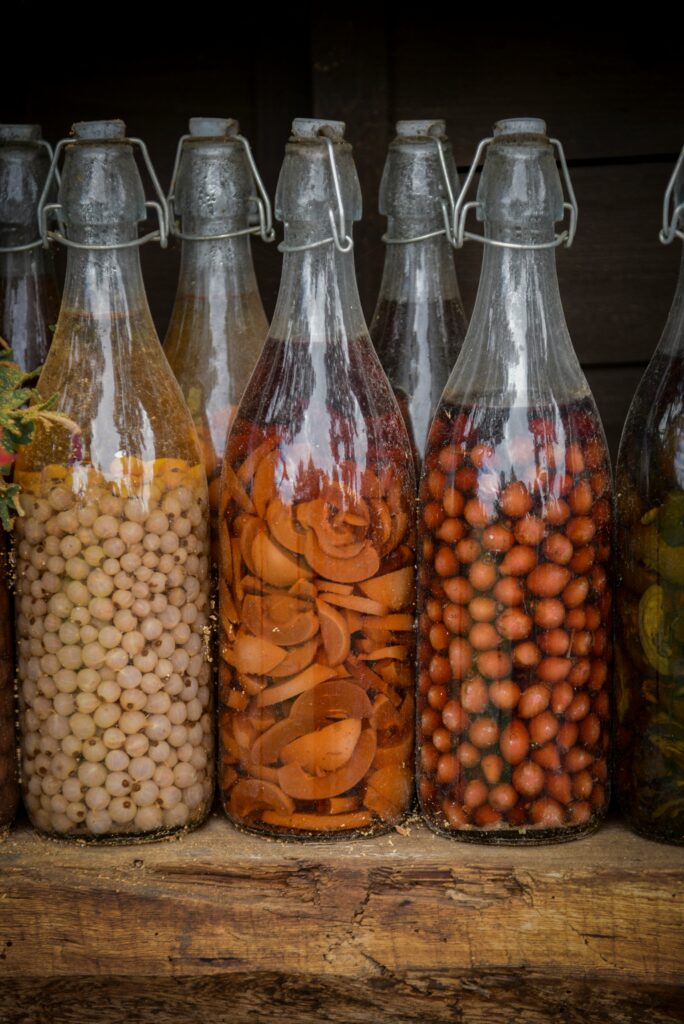
Solar drying is a cost-effective method that uses direct sunlight and natural airflow to evaporate moisture, preventing the growth of spoilage-causing microorganisms.
Required Materials and Equipment:
- Fresh Produce: Tomatoes, apricots, figs, eggplants, or peppers.
- Salt or Sugar: To draw out moisture, retain color, and inhibit microbial growth.
- Drying Racks: Food-grade mesh screens, wooden trays, or clean suspended cloth.
- Location: An outdoor area with maximum sun exposure, excellent ventilation, and protection from dust and pests.
- Packaging: Airtight glass jars or vacuum-seal bags for long-term storage.
Step-by-Step Instructions:
Step 1: Preparation: Wash the produce thoroughly. Slice it uniformly into thin pieces (3 to 5 mm thick). Uniform slices ensure even drying and prevent thick pieces from retaining internal moisture, which causes mold.
Step 2: Blanching: Submerge vegetables (such as green beans or okra) in boiling water for one minute, then plunge them immediately into ice water. This process halts enzymatic activity, preserving nutritional value and the vibrant natural color that commands a higher market price.
Step 3: Pre-treatment: Lightly sprinkle salt on vegetables or sugar on fruits. This steps accelerates surface moisture extraction and provides an initial defensive layer against fungal spores.
Step 4: Solar Drying: Arrange the slices on drying racks in a single layer without overlapping to maximize airflow. Drying times vary by product and climate:
- Tomatoes: 5 to 7 days in full, direct sunlight.
- Apricots and Figs: 3 to 5 days.
- Peppers and Eggplants: 4 to 6 days.
Readiness Indicator: The product is fully dried and ready for market when it loses flexibility, becoming leathery, firm, or brittle, with no visible moisture escaping when pressed firmly.
Step 5: Conditioning and Packaging: Allow the product to cool completely in a shaded area before packaging. Packing warm products creates condensation inside the containers, causing spoilage. Store the finished goods in airtight jars or vacuum bags in a cool, dark place.
The Economics of Dehydration (Weight vs. Value)
Produce naturally loses 85% to 90% of its original weight due to water evaporation. This concentration of mass is the exact reason dried food commands such high market value:
- Tomatoes: 100 kg of fresh tomatoes yields approximately 10 to 12 kg of premium sun-dried tomatoes.
- Apricots: 100 kg of fresh apricots yields approximately 15 to 20 kg of dried fruit.
The Profit Equation: Do not view weight reduction as a loss; it is your primary competitive edge. Fresh tomatoes purchased cheaply at the peak of harvest harvest are transformed into a scarce, high-demand commodity by winter. The resulting price increase easily covers the initial raw material costs and yields an excellent net profit compared to selling highly perishable fresh produce. To protect your investment, maintain strict hygiene standards to keep physical spoilage rates within a manageable 5% to 10% safety margin.
The Ultimate Food Dehydrator Guide
Method 2: Pickling and Fermentation
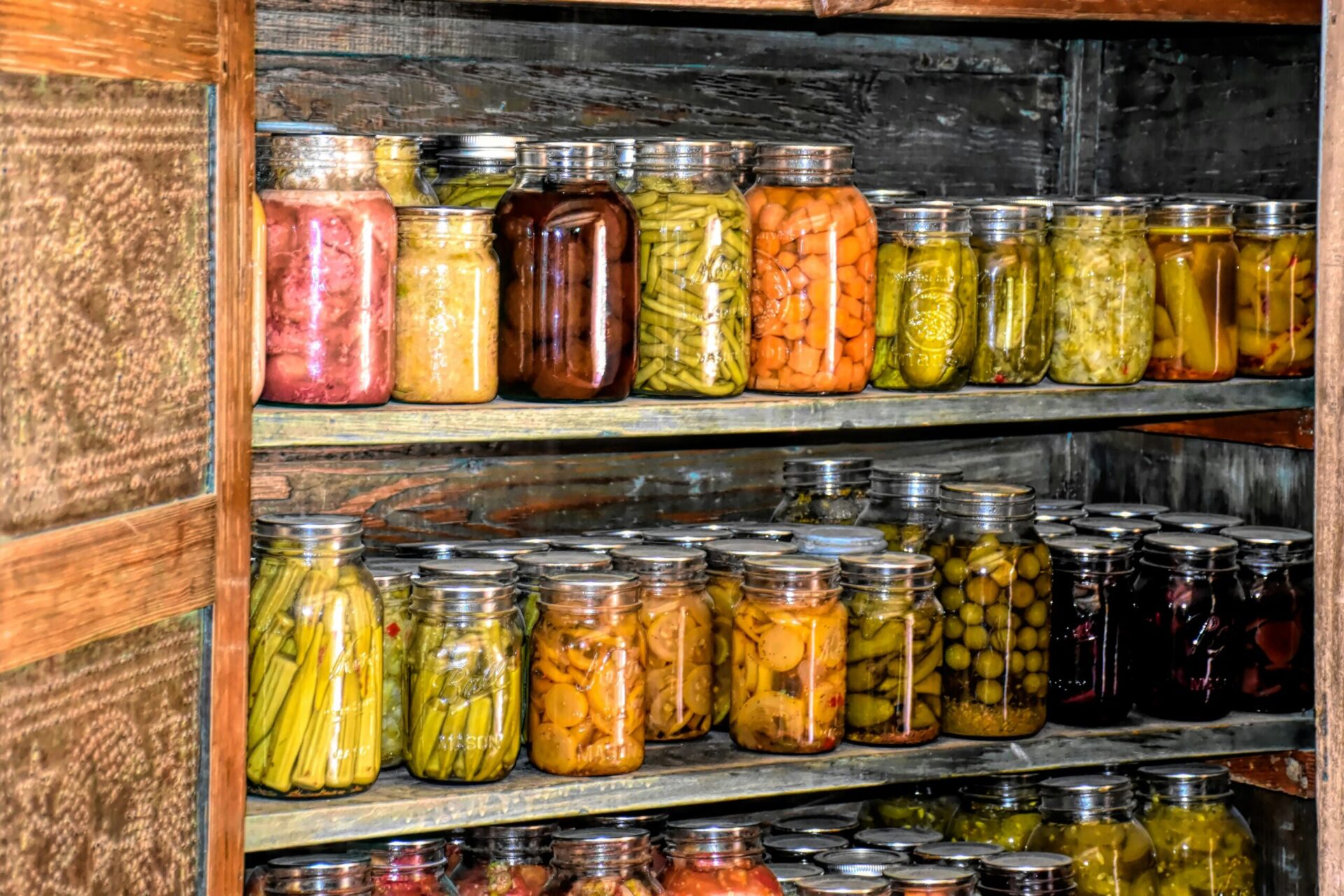
Pickling vegetables like cucumbers, peppers, and various root crops is a highly effective way to process surplus harvests. Pickled goods experience minimal weight loss (only 10% to 20%) and require very low operational investments, relying primarily on water, salt, and vinegar.
This method leverages biopreservation to extend shelf life and increase market value without removing moisture. It generates rapid inventory turnover, with products ready for sale within one to two weeks after sealing in sterilized glass jars.
Because pickling is a distinct commercial category, we have dedicated a comprehensive guide to it. For precise brine ratios, sterilization steps, and commercial distribution strategies, please refer to our previous module: Traditional Fermentation and Preservation (Pickles, Pastes, and Oils) — Income from Surplus.
Method 3: Jams and Fruit Preserves
Jams and fruit concentrates deliver high profit margins because added sugar increases the final weight of the product. Furthermore, the thermal cooking process establishes excellent shelf stability, ensuring steady pricing throughout the year.
Required Materials:
- Fresh Fruit: Berries, apples, strawberries, apricots, or grapes.
- Sugar: Typically applied at a 1:1 ratio by weight, adjusted slightly based on the fruit’s natural sweetness.
- Lemon Juice: Acts as a natural preservative, balances acidity, prevents sugar crystallization, and maintains color.
- Sterilized Glass Jars: Fitted with clean, airtight metal lids.
Step-by-Step Instructions:
Step 1: Cooking the Fruit: Clean and chop the fruit. Simmer it on low heat with a very small amount of water for approximately 10 minutes until the fruit softens completely.
Step 2: Sugar Addition and Concentration: Add the sugar (e.g., 1 kg of sugar per 1 kg of prepared fruit). Bring the mixture to a rolling boil, stirring continuously to prevent scorching or sticking to the bottom of the pot.
Step 3: Gel Test and Hot Filling: As the mixture thickens, test its consistency by placing a small drop on a cold plate. If the droplet holds its shape and does not run, the jam is ready. Pour the boiling hot jam immediately into hot, sterilized glass jars.
Step 4: Creating a Vacuum Seal: Seal the lids tightly and invert the jars upside down on a clean towel for 24 hours. This simple technique forces out residual air and creates a reliable vacuum seal, protecting the jam from mold for months without refrigeration.
Financial Yield of Fruit Preserves:
Combining 5 kg of fresh fruit with 5 kg of sugar yields roughly 6 to 7 liters of dense, high-quality jam after accounting for evaporation. When packaged and sold in standard 500-gram jars, this small initial batch scales into a highly profitable retail product that covers operational expenses and delivers a strong return.
Financial Feasibility: Off-Season Market Projections
To evaluate a micro-enterprise accurately, you must calculate revenue based on off-season retail prices (winter and spring) rather than harvest-peak values. Market scarcity drives the premium prices that offset dehydration weight losses:
| Product Type | Raw Materials (Qty & Cost) | Expected Waste/Loss | Net Finished Yield | Consumables Cost (Salt/Sugar/Vinegar) | Off-Season Selling Price | Projected Net Profit |
|---|---|---|---|---|---|---|
| 🍅 Premium Sun-Dried Tomatoes | 50 kg Fresh Tomatoes ($0.50/kg) = $25.00 | 10% (5 kg) | 6.5 kg Dehydrated Product | Salt & Packaging $1.50 | $12.00 / kg = $78.00 Total Revenue | +$51.50 (High margin offsets weight loss) |
| 🥒 Quick Pickled Cucumbers | 30 kg Fresh Cucumbers ($0.30/kg) = $9.00 | 5% (1.5 kg) | 26-27 kg Finished Pickles | Brine & Packaging $3.00 | $1.50 per 500g Jar = $78.00 Total Revenue | +$66.00 to +$69.00 (Rapid market turnaround) |
| 🍓 Gourmet Strawberry Jam | 20 kg Processing Strawberries ($1.00/kg) = $20.00 | 8% (1.6 kg) | 18.4 kg Fruit + 18 kg Sugar | Sugar & Glass Jars $18.00 | $3.50 per 500g Jar = $94.50 Total Revenue | +$56.50 (Excellent value-added return) |
| 🌶️ Crushed Hot Pepper Flakes | 10 kg Fresh Chili Peppers ($2.00/kg) = $20.00 | 12% (1.2 kg) | 1.8 kg Concentrated Powder | Bags & Desiccants $1.00 | $25.00 / kg = $45.00 Total Revenue | +$24.00 (Low shipping weight, high demand) |
Key Strategic Takeaways from the Data:
- Timing Controls Dehydration Margins: While some assume sun-drying has narrow margins, the data proves that holding inventory for off-season distribution generates the highest net profit per kilogram, neutralizing the impact of weight loss.
- Stabilizing Cash Flow via Jams and Pickles: Preserves and pickles have reliable daily consumption rates and low processing shrinkage. They provide steady short-term cash flow to cover daily operating expenses.
- Mitigating Inventory Loss: Spoilage caused by poor storage is a significant risk. Investing in high-quality airtight seals and drying produce to precise readiness standards will reduce inventory losses to nearly zero.
Consumer Safety and Quality Standards
Food preservation requires strict compliance with production standards. Improperly preserved food can harbor dangerous pathogens. Maintaining rigorous quality control is critical to protecting consumers and building long-term brand equity.
Preventing Botulism: Core Protocols
Clostridium botulinum is an anaerobic bacterium that thrives in sealed, low-acid, low-oxygen environments (such as improperly processed canned jars). It produces dangerous neurotoxins if processing environments are unscientific. Protect your inventory with these non-negotiable protocols:
- For Dehydrated Products: Safety is achieved when moisture levels drop below 10%. Bacteria cannot replicate in a thoroughly desiccated environment.
- For Pickles and High-Acid Canning: Keep equilibrium pH levels below 4.6 using calibrated vinegar ratios. Salt alone does not eliminate all bacterial risks in low-acid vegetables.
- For Sweet Preserves: Maintain high sugar concentrations. Sugar binds available water molecules through osmotic pressure, depriving bacterial cells of the moisture required to survive.
- Mandatory Sterilization: Submerge glass jars and metal lids in a rolling boil for at least 10 minutes before filling. This step is mandatory to eliminate baseline biological contaminants.
The Vacuum Seal Integrity Check
After hot-filling, sealing, and allowing the jars to rest for 24 hours, inspect every metal lid. The top must be slightly concave and pulled downward by the internal vacuum. It should not flex or click when pressed. A lid that pops or springs back indicates a failed seal; these jars must be refrigerated and consumed immediately rather than distributed to customers.
Marketing and Distribution Channels
Preserved goods are durable, compact, and highly stable, allowing you to access diverse retail networks with minimal logistics overhead:
- Independent Specialty Grocers: Set up weekly wholesale deliveries to local grocers to build consistent baseline revenue.
- Food Service Sector: Restaurants, cafes, and sandwich shops use large volumes of pickles, sun-dried tomatoes, and premium spreads. Focus on securing monthly supply contracts with these commercial buyers.
- Seasonal Gift Markets: Neatly packaged, high-quality artisanal preserves sell very well as premium gift items during winter holidays and cultural festivals.
- Direct-to-Consumer E-Commerce: Because dried fruits and vegetables are lightweight and break-resistant, they can be shipped long distances without refrigeration. This allows you to sell directly to consumers online at full retail margins.
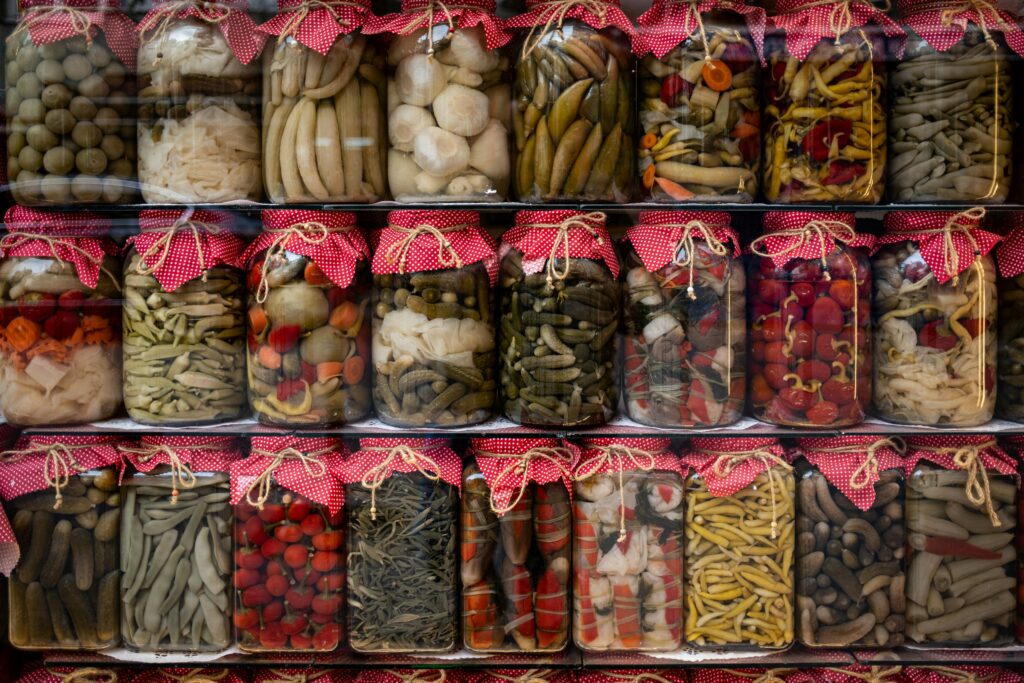
Pro Marketing Tip: Visual presentation directly drives pricing. A clean glass jar with a minimalist, professional label detailing the product name, batch date, and ingredients immediately builds consumer trust. This professional look allows you to charge a 30% to 50% price premium over unbranded, generic market goods.
Projected Seasonal Revenue Models
By producing high-quality goods and managing seasonal sales strategically, a modest home enterprise operating during a 3-month harvest peak can generate the following returns during the off-season:
- 90 Jars of Assorted Pickles (500g): $135.00 gross revenue (at $1.50 per jar).
- 60 Jars of Artisanal Jam (500g): $210.00 gross revenue (at $3.50 per jar).
- 15 kg of Dried Concentrates (Tomatoes/Chilis): $245.00 gross revenue (averaging $16.33 per wholesale kg).
Total Projected Gross Revenue: $590.00
Operational Expense Breakdown:
- Raw Produce (Bulk wholesale or farm-gate sourcing): $80.00
- Preservation Consumables (Sugar, vinegar, bulk sea salt): $30.00
- Packaging Materials (Jars, vacuum bags, customized labels): $40.00
- Utilities (Cooking fuel, water, sterilization energy): $20.00
Total Production Cost: $170.00
Net Seasonal Profit: $590.00 – $170.00 = $420.00
These figures demonstrate the practical value of value-added agricultural processing. Earning over $400 in net profit from a home-based kitchen project using basic tools is an excellent foundation for self-sufficiency. You can scale these profits by involving family members and expanding your local wholesale channels.
Operational Challenges and Solutions
Challenge 1: Pests or Mold Development During Solar Dehydration
Root Cause: High local humidity, lack of direct sunlight, or inadequate airflow across the drying racks.
Solution: Place drying racks in open areas with high air circulation. Cover trays with lightweight, food-grade cheesecloth or breathable netting to block insects and birds without reducing solar exposure. Do not package goods until moisture testing confirms they are completely dry.
Challenge 2: Discoloration or Browning in Dried Fruits
Root Cause: Oxidation caused by prolonged exposure to ambient light and air after processing.
Solution: Pre-treat fruit slices with a diluted lemon juice bath before drying to preserve natural colors. Once dried, store products immediately in opaque containers, dark glass jars, or cardboard boxes kept in a cool, dark storeroom.
Challenge 3: Soft, Mushy, or Spatially Degraded Pickles
Root Cause: Insufficient acid concentration in the brine, or active spoilage enzymes within the fresh vegetables.
Solution: Maintain exact vinegar-to-water ratios specified in verified processing formulas. Ensure crisp vegetables undergo a proper blanching step to deactivate enzymes and preserve the firm texture consumers prefer.
Challenge 4: Saturated Local Markets During Harvest Peaks
Root Cause: Local competitors all attempt to sell similar standard preserves at the exact same time.
Solution: Shift your sales window. Store your inventory and delay marketing until late winter when fresh produce prices rise significantly. Focus your marketing on commercial kitchens, restaurants, and health food stores that value chemical-free, naturally preserved items.
Integrating Technology to Scale Production
As your business grows, upgrading from purely manual methods to basic processing tools will increase efficiency and improve product consistency:
Countertop Electric Dehydrators
An entry-level electric dehydrator costs between $50 and $150 and is an excellent long-term investment for several reasons:
- Accelerated Turnaround: Reduces drying cycles to 24–48 hours, compared to a full week outdoors.
- Consistent Quality: Precise thermostat controls prevent scorching and preserve vibrant fruit colors.
- Total Environment Control: Eliminates exposure to dust, sudden weather shifts, and outdoor pests.
While electric dehydrators increase utility costs, using them to process high-value inventory during humid periods quickly offsets the expense. This allows you to position your items as a premium, high-grade product line.
Pressure Canning Equipment
Pressure canning is required to safely preserve low-acid vegetables like green beans, carrots, and peas over the long term. Investing in a dedicated pressure canner costs between $100 and $200. This tool allows you to safely expand your product line after your initial seasonal runs generate their first profits.
Phased Business Expansion and Branding
Building a sustainable micro-enterprise requires a step-by-step approach to manage capital risk and gain practical experience:
- Phase 1: Focused Sourcing: Launch with just one or two abundant, highly affordable local crops (such as tomatoes or regional stone fruits) before diversifying your product lines.
- Phase 2: Professional Packaging: Transition from generic jars to uniform glass containers with cohesive labels featuring your business name, ingredient transparency, and contact details.
- Phase 3: Strategic Inventory Management: Allocate the majority of your output for winter sales, ensuring you go to market when product values peak and competition drops.
- Phase 4: Establishing Brand Equity: Position your business locally as a specialized provider of premium, preservative-free, small-batch artisanal foods.
Leveraging Digital Commerce
Artisanal, clean-label food products enjoy strong demand on social media platforms and online marketplaces. Capturing clean, well-lit photos of your production process and highlighting your sanitization and quality standards builds strong consumer trust. This transparency allows you to attract premium retail buyers outside your immediate local area.
Logistics Tip: When shipping to distant buyers, focus marketing efforts primarily on dehydrated goods. Dried items are highly durable, lightweight, and can be packed efficiently in vacuum bags. This reduces shipping fees and eliminates the risk of glass breakage, significantly increasing your net margins compared to shipping heavy liquid preserves.
Execution Blueprint: Launching Safely
This model stands out within our micro-enterprise series due to its concentrated seasonal workflow. You invest intensive operational effort during peak harvest weeks to build an inventory that generates steady income throughout the year. Protect your startup capital with these foundational execution steps:
- Proactive Supply Procurement: Do not wait for the harvest surge to buy supplies. Purchase jars, lids, and bulk salt weeks in advance to secure wholesale pricing and avoid supply shortages.
- Risk-Mitigated Pilot Batches: In your first season, avoid overextending your capital. Limit initial runs to 10–20 kg to calibrate processing times, verify shelf stability, and gauge local consumer preferences. Use the first year to refine skills and protect capital so you can scale confidently in future seasons.
- Time-Sensitive Processing: Harvest gluts move quickly; fresh produce must be processed immediately when prices hit their lowest point. Success requires total operational commitment during these key weeks to process raw stock before spoilage begins.
- Rigorous Safety Compliance: Sterilization run times and acidity metrics are critical safety requirements. Strict adherence to food safety protocols protects your customers and establishes an excellent commercial reputation.
- The Collaborative Family Framework: Food preservation is an ideal cooperative family project. Dividing tasks—such as washing, slicing, monitoring drying racks, and labeling—maximizes production capacity without the expense of external labor.
Conclusion: The Survival Economy Vision
Dehydration and canning are not shortcut paths to rapid wealth. Instead, they are practical, reliable tools for building economic self-reliance, generating steady incremental income, and protecting household finances from food price volatility. The benefits are clear: you secure high-quality food for your own household first, while turning surplus crops into reliable, independent cash flow.
Start on a manageable scale, maintain strict production standards, and use this season’s experience to build a sustainable, growing enterprise for the years ahead.
This is the core principle of a resilient economy: maximizing value from available seasonal resources, preserving them efficiently, and distributing them strategically when market demand peaks.
Related Content: Crafts that Resist Automation Series
— Micro-Enterprises | Survival Economy Series —
Previous Article: 10 – Traditional Soap and Detergent Production
Current Article: 11 – Dehydration and Canning of Fruits and Vegetables
Next Article: 12 – Traditional Beekeeping and Honey Production
References and Resources:
- Historical Food Preservation Methods in Agrarian Societies.
- USDA Food Safety Guidelines for Home Canning and Dehydration.
- Water Activity and Osmotic Pressure Balances in Sugar-Preserved Conserves.
- Botulism Mitigation: Managing Anaerobic Pathogens in Low-Acid Sealed Environments.
Survival Economy | Micro-businesses
Your Practical Guide to Self-Sufficiency — 12 Articles







Series Survival Economy | Micro-businesses — 12 Articles | Zy Yazan